Recommended Pedals
The essential Amp & Cabinet pedals to know about
Fractal Audio Axe-Fx III Mark II
The standard for amp modeling, effects, and amp switching in one unit. Used by touring professionals worldwide.
Fender Tone Master Pro
Analog amp modeling with Impulse Response cab simulation. Industry standard for recording with authentic Fender character.
Boss GT-1000 Core
Powerful modeling in a compact format. Great for players needing amp and cab simulation without the rack space.
Amp and cabinet simulators replace traditional tube amplifiers and speaker cabinets with digital recreations. They model the tonal characteristics of legendary amps and cabs, delivering those sounds through headphones, audio interfaces, or PA systems. For modern guitarists, they're essential tools for silent recording, home practice, and flexible live performance. Understanding what these devices do helps you choose the right solution.
Understanding Amp and Cabinet Modeling
How Amp Modeling Works
Modern amp modeling uses sophisticated DSP algorithms to recreate the behavior of classic amplifiers:
Preamp modeling: Captures the tone shaping, gain stages, and harmonic characteristics of legendary preamp circuits.
Power amp modeling: Recreates the interaction between power tubes, load, and output transformers.
Speaker interaction: Models how speakers respond to different frequencies and how the cabinet influences the overall tone.
The goal is not just matching frequency response, but replicating the dynamic feel—the way an amp responds to your playing dynamics, how it compresses at different input levels, and how it overdrives.
Cabinet Simulation
Cabinet simulation (often called IR loading for Impulse Response) captures the frequency response characteristics of specific speaker cabinets:
Microphone modeling: Simulates different microphone placements—a close-miked dynamic versus a distant condenser creates distinctly different characters.
Speaker models: Different speakers in different cabinets produce different tones. Celestion Vintage 30 in a 2x12 sounds different than Greenback in a 1x12.
Room interaction: Captures not just the direct sound but how it interacts with the room.
Why This Matters
The combination of amp modeling and cabinet simulation lets you recreate entire amplifier setups with just a pedal:
- Replicate vintage Marshalls, Fenders, Mesas, and more
- Change cabinets instantly without lifting a finger
- Record direct without needing mics and studio time
- Practice at bedroom levels with full amp tone
Key Features
Amp Models
Different amp models have distinctly different characters:
- Tube amp models: Respond to picking dynamics with compression and sustain. The classic overdrive character.
- Solid-state models: Tighter and more defined. Often harsher until properly set up.
- Hybrid models: Combine characteristics of multiple designs.
Multiple Amp/Cab Combinations
Advanced modelers let you run multiple amp/cab combinations simultaneously:
- Split your signal to different outputs
- Combine different amp models for layered tones
- Impossible with single-amp setups
- Essential for stereo rigs
Impulse Response (IR) Loading
IR loading lets you load custom cabinet simulations:
- Thousands of free and paid IRs available
- Create your perfect cabinet tone
- Third-party IRs expand your options beyond built-in choices
- Some units support user-loaded IRs alongside factory presets
The Evolution of Modeling
Early Days
Early modeling amps (1990s) sounded obviously digital:
- Harsh, static tone that lacked organic feel
- Obvious compression that killed dynamics
- Unusable for serious recording
- Fun novelty, not professional tool
Modern Excellence
Today's modeling captures the responsive feel and tonal nuance of classic amps:
- Dynamic response that rivals real amplifiers
- subtle nuances that make each model distinct
- Good enough for professional album use
- Industry standard in studios worldwide
Creative Applications
Silent Recording
The most common professional use:
- Direct to interface, no amp needed
- Consistent results take after take
- 24/7 recording without disturbing neighbors
- Perfect for home studios
Headphone Practice
The headphone experience is dramatically better than traditional amp playing at low volumes:
- Full amp character at whisper-quiet levels
- Essential for late-night practice
- No need to wait for tubes to warm up
- Many modelers include drummerless practice features
Live Performance
For live gigs:
- Switch between completely different amp tones instantly
- No mic bleed from stage
- Consistent tone room to room
- Send separate signals to stage amp and PA
Top Amp Modeling Solutions
Best Professional: Fractal Audio Axe-Fx III Mark II
The standard that others are measured against. Incredible amp modeling, comprehensive effects, built-in switching, and legendary reliability. Used by touring professionals who can't afford tone failures. The amp models are stunningly accurate, and the built-in effects rival standalone pedals.
Best Analog Character: Fender Tone Master Pro
Fender's approach emphasizes analog feel over digital precision. The tone genuinely feels like a Fender—not modeled, but authentically recreated. Great for players who want Fender character with modern convenience. The Impulse Response cab simulation is excellent.
Best Compact: Boss GT-1000 Core
Boss packs substantial modeling into a compact format. Multiple amp models, effects, and cab simulation in a pedalboard-friendly size. The MIDI control and expression output add flexibility. For players who need professional results without rack-mount requirements.
Best Value: Positive Grid Spark
Bluetooth connectivity, app-based control, and affordable price point. The tone is impressive for the cost. Great entry point for players wanting to explore modeling without significant investment. The mobile app makes editing intuitive.
The Bottom Line
Amp modeling technology has reached professional maturity. The sounds are legitimate—modern modelers are used on albums, in studios, and on stages worldwide.
Choose based on your needs: professional touring demands Fractal. Analog character enthusiasts should consider Fender. Compact solutions work for players with limited space. Budget options open the door to modeling for everyone.
The flexibility is the real advantage—you can switch between completely different amp tones without rewiring, wait for tubes to warm up, or carry heavy cabinets. That's transformation in how guitarists work.
Live Amp & Cabinet Price Index
UK & European retailers • Updated daily
| Pedal | Style | Country | Price |
|---|---|---|---|
| DSM & Humboldt Simplifier MkII | Amp-in-a-box | Chile | €402 |
| Fractal Audio AM4 | Modeler | USA | — |
| Fractal Audio Axe-Fx III Mark II Turbo | Modeler | USA | — |
| IK Multimedia TONEX Pedal | Modeler | Italy | €119 |
| Kemper Profiler Stage MK II | Profiler | Germany | €15 |
| Neural DSP Nano Cortex | Modeler | Finland | €558 |
| Neural DSP Quad Cortex | Modeler | Finland | — |
| Neural DSP Quad Cortex Mini | Modeler | Finland | — |
| Strymon Iridium | IR Loader | USA | €377 |
| Tone King Royalist Preamp | Amp-in-a-box | USA | €579 |
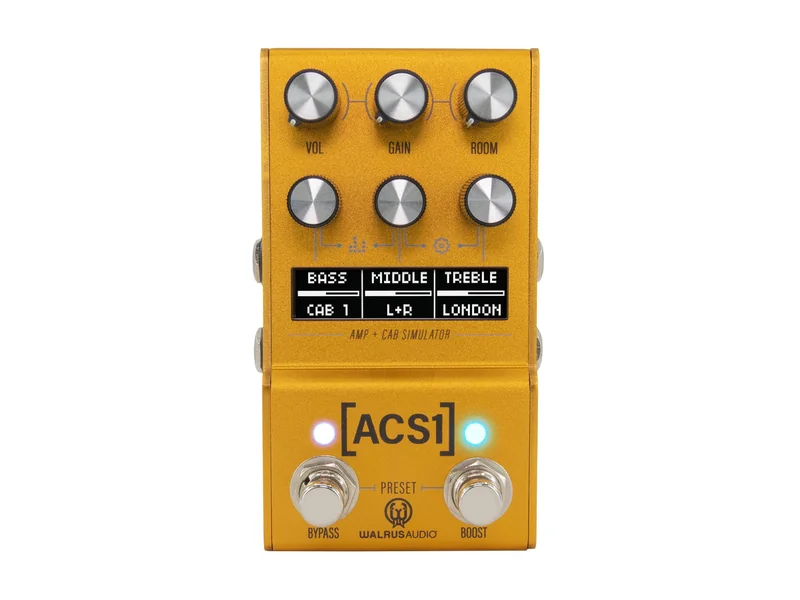
| Walrus Audio MAKO Series ACS1 MkII | Modeler | USA | €499 |
Browse All Amp & Cabinet Pedals
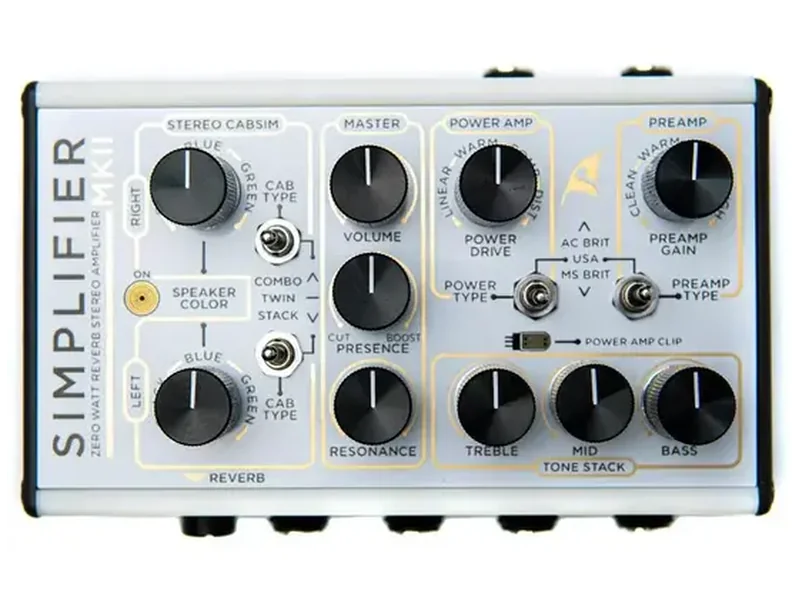
Simplifier MkII
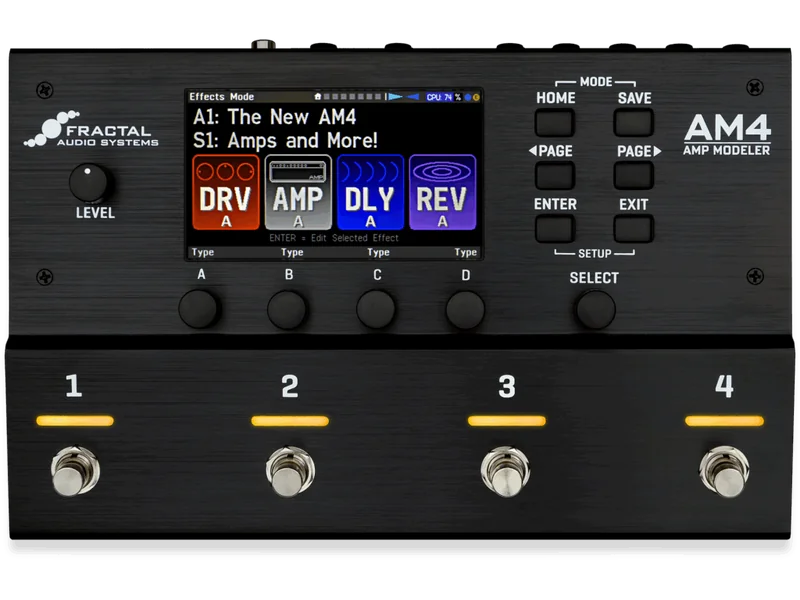
AM4
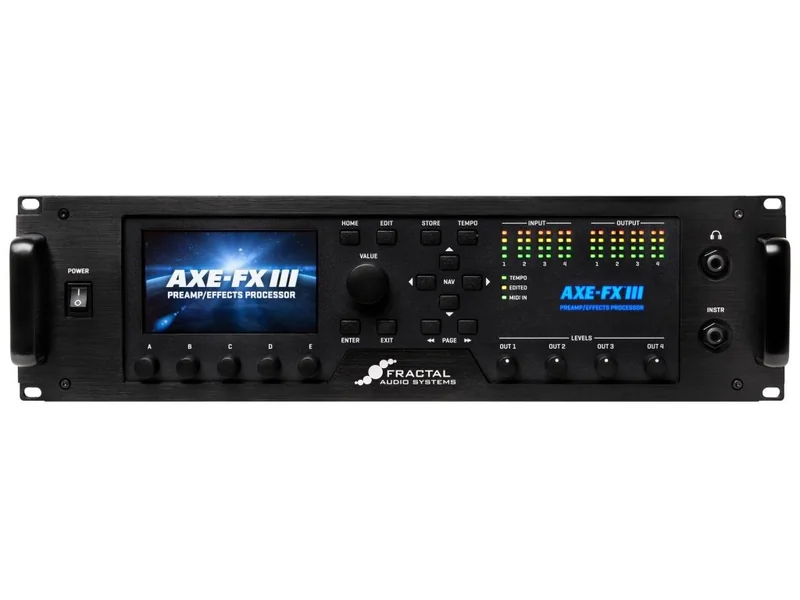
Axe-Fx III Mark II Turbo
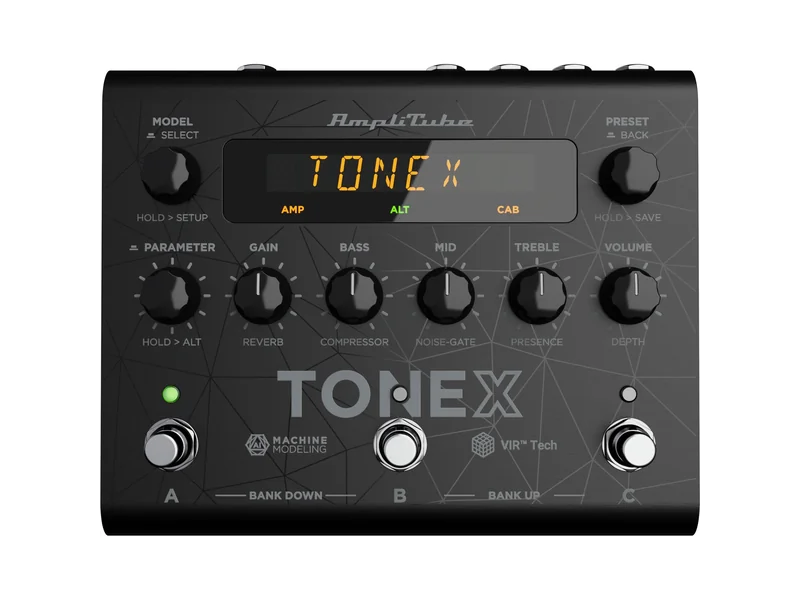
TONEX Pedal
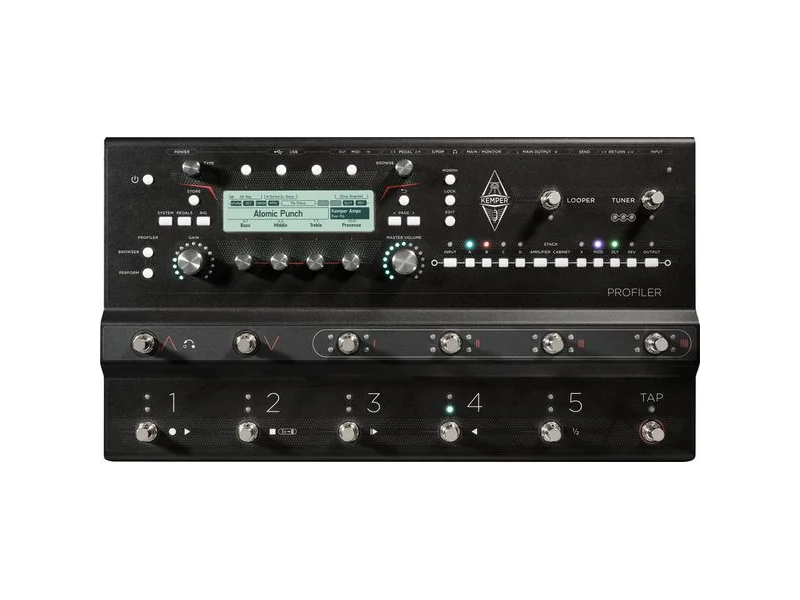
Profiler Stage MK II
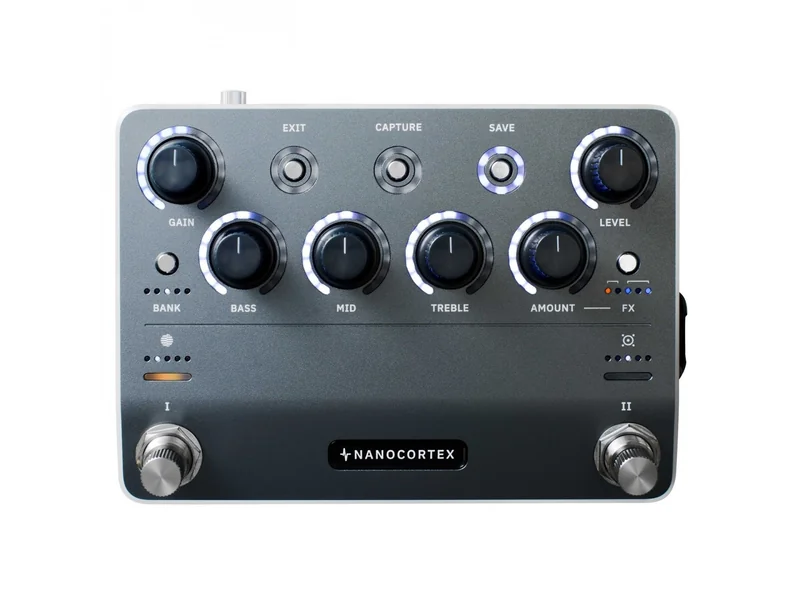
Nano Cortex
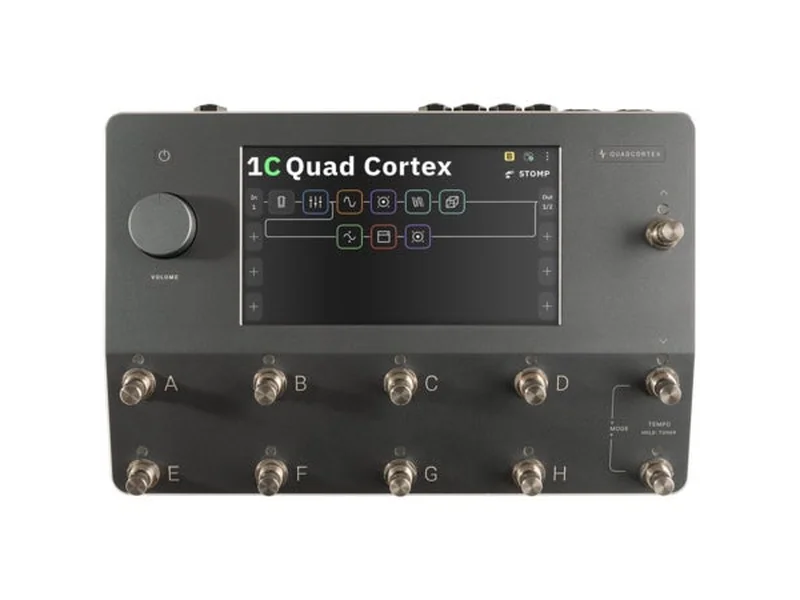
Quad Cortex
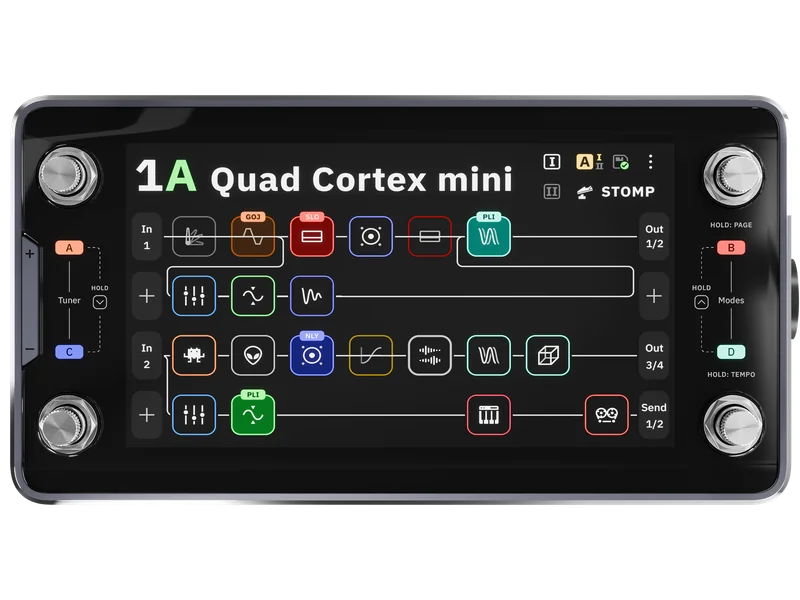
Quad Cortex Mini
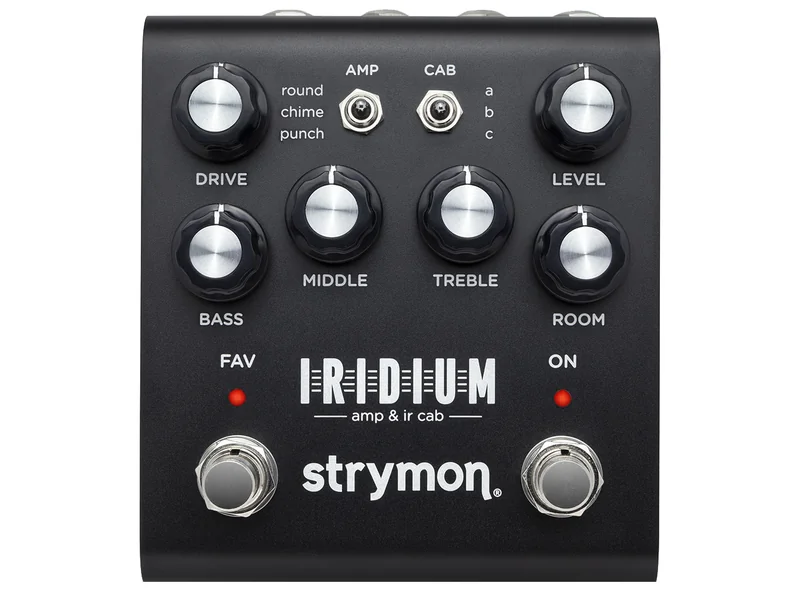
Iridium
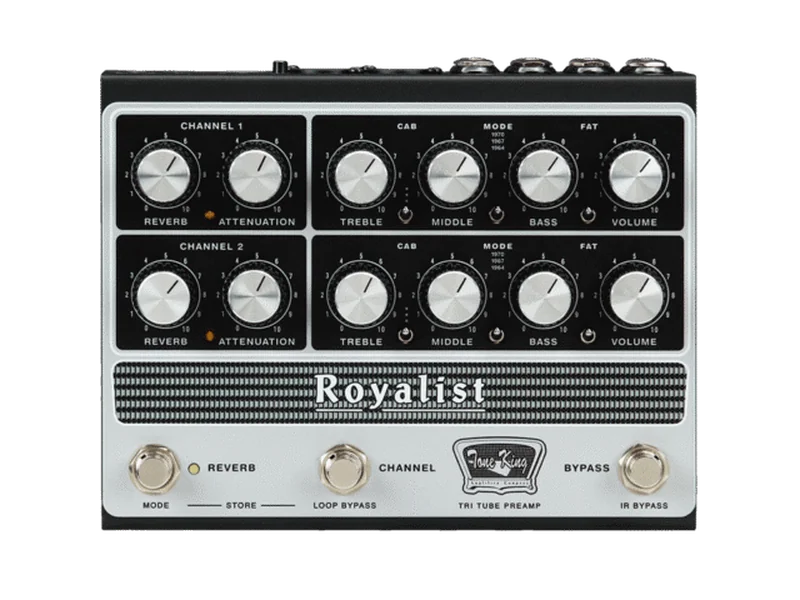
Royalist Preamp