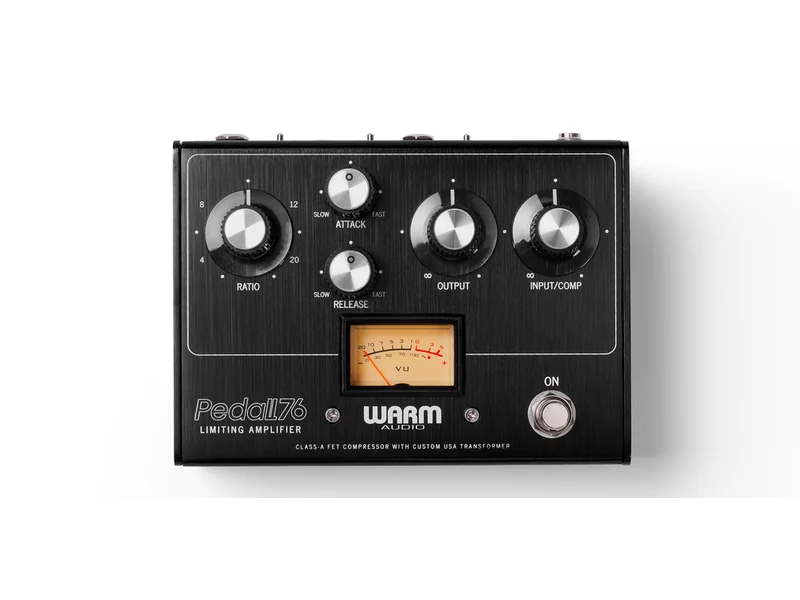
Recommended Pedals
The essential Compressor pedals to know about
MXR Dynacomp
Optical compressor with that characteristic click and squash. Simple, three-knob interface. The foundation of 1980s rock tone.
Boss CS-3 Compression Sustainer
Three-band compression, tone control, blend control. Enough tweaking for any situation. Boss build quality for decades of use.
Boss CS-3
Designed for bass frequencies. Blend control preserves natural dynamics while adding compression benefits. Essential for bass players.
Compression is the invisible hand shaping your dynamics. It evens out the peaks in your signal, extends sustain, and creates glue that binds everything together. Compression is so fundamental that most professional guitarists run some form of compression all the time. It's not an effect—it's a tone-shaping tool as essential as your amp.
What Is Compression? The Dynamics Equalizer
Compression reduces the volume of loud signals while leaving quiet signals untouched. This "evening out" of dynamics creates several desirable effects:
- Sustain extension: Quiet notes don't disappear; loud notes don't overwhelm
- Consistency: Uneven picking becomes uniform
- Glue: Everything sounds tied together, cohesive
- Presence: Quiet passages become audible; the overall tone feels more present
Simple Example
You play a guitar with touch-sensitive dynamics. Hard pick attack = loud note. Soft touch = quiet note. Compression reduces the loud note slightly while boosting the quiet note, bringing them closer together.
Result: Your playing sounds more even, more professional, more controlled.
Compression Fundamentals: The Key Parameters
Ratio: How Much Compression
The ratio determines how much the compressor compresses:
2:1 ratio: For every 2dB of signal above the threshold, only 1dB comes out. Subtle, transparent compression.
4:1 ratio: For every 4dB in, only 1dB out. Obvious compression but not extreme.
8:1 ratio: Very obvious compression. The signal gets heavily squashed.
Infinity:1 ratio (Limiting): Once the threshold is exceeded, no additional signal gets through. Hard ceiling. Used for protection.
Typical use:
- Lead guitar: 2-4:1 (transparent to subtle)
- Rhythm guitar: 4-8:1 (obvious, glue-creating)
- Bass: 4-8:1 (evening out bass dynamics)
Threshold: Where Compression Starts
The volume level above which compression activates.
High threshold: Compression only affects the loudest parts. Most of your signal passes through uncompressed.
Low threshold: Even quiet signals get compressed. Everything is affected.
Pro insight: Lower threshold = more compression overall. Higher threshold = compression only on peaks.
Attack: How Fast Compression Engages
How quickly the compressor reacts to signals exceeding the threshold.
Fast attack (1-5ms): The compressor catches transients immediately. The initial pick strike is controlled. Tone becomes smooth and polished.
Medium attack (10-50ms): The pick strike comes through, then compression kicks in. Preserves attack while controlling sustain.
Slow attack (100ms+): Lets the initial transient fully through before compressing. Preserves natural attack and picking dynamics.
The Attack Tradeoff:
- Fast attack = smooth, polished, obviously compressed
- Slow attack = natural, punchy, less obviously compressed
Release: How Fast Compression Stops
How quickly the compressor stops compressing when the signal drops below threshold.
Fast release (10-50ms): Compressor relaxes immediately between notes. Each note is independent.
Medium release (100-300ms): Compression persists slightly between notes. Creates glue.
Slow release (500ms+): Compression carries across multiple notes. Creates heavy, sustained tone.
The Release Tradeoff:
- Fast release = each note is separate, natural-sounding
- Slow release = notes blend together, glued tone
Knee: The Compression Curve
How the compressor transitions from uncompressed to compressed:
Hard knee: Compression engages abruptly at the threshold. Obvious transition.
Soft knee: Compression gradually engages as you approach and exceed threshold. Smooth transition.
Pro insight: Soft knee sounds more natural; hard knee sounds more controllable.
Compression Types: Different Circuit Architectures
Optical Compression (Photo-Electric)
How it works: An LED brightens as the signal gets louder, causing an optical resistor to increase resistance, reducing volume.
Character: Smooth, musical, slightly slow-responding. That characteristic "squash" that defines vintage tone.
Pros:
- Musical, not clinical
- Smooth, vocal-like response
- Iconic vintage character
- Relatively inexpensive
Cons:
- Slow to respond (attack is slow)
- Limited precision
- Temperature-sensitive (LED responds differently in heat/cold)
Best for: Vintage tone, smooth overall compression, rhythm playing.
Examples: MXR Dynacomp, Keeley Compressor, Boss CS-3.
VCA Compression (Voltage-Controlled Amplifier)
How it works: A voltage-controlled circuit amplifies or reduces the signal based on a control voltage derived from input level.
Character: Fast, responsive, transparent. Can sound clinical or musical depending on design.
Pros:
- Fast response (catches transients)
- Precise control
- Transparent (doesn't color tone)
- Temperature-stable
Cons:
- Can sound sterile if poorly designed
- Less obvious "effect" character
- More expensive than optical
Best for: Professional use, lead playing, situations demanding precision.
Examples: Empirical Labs Distressor, Great River PWM-1, Wampler Ego.
FET Compression (Field Effect Transistor)
How it works: A field-effect transistor gate reduces volume based on control voltage.
Character: Extremely fast response, slightly colored, aggressive.
Pros:
- Fastest attack available
- Handles transients better than any other type
- Musical and colored (not clinical)
- Ideal for bass and percussive sources
Cons:
- More expensive
- Requires careful setup
- Can be noisy if not properly designed
Best for: Bass, percussive playing, maximum transient control.
Examples: Neve 1176 (hardware), specialized bass compressors.
The Blend/Mix Control: Keeping Your Dynamics
Some compressors offer a blend control that mixes dry (uncompressed) signal with wet (compressed) signal.
100% wet (fully compressed): Full compression effect.
50% wet: Half compressed, half original dynamics preserved.
0% wet (100% dry): No compression (pedal off).
Why blend matters:
Full compression removes all dynamics, which can sound unnatural. Blending in some dry signal preserves natural dynamics while getting compression benefits.
Pro use: Set compression heavy, then back off with blend control to taste. This approach gives you precise dynamic control without losing musicality.
Compression in the Signal Chain: Placement Affects Everything
Early in Chain (Compressor First)
Compression immediately after tuner/boost, before drives.
Effect:
- Evens out picking dynamics before they hit drive pedals
- Prevents hard pick attacks from overdriving drives excessively
- Creates consistency across your playing
- Results in smooth, controlled distortion/overdrive
Best for: Players with dynamic picking technique, anyone wanting even tone across all playing dynamics.
Middle of Chain (Before Effects)
Compression after drives but before modulation/delay/reverb.
Effect:
- Controls the output of drive pedals
- Prevents compression from reducing sustain of drives
- Evens out drives' output before time effects
Best for: Professional live setup where you need consistent output to FOH engineer.
Late in Chain (Last Effect)
Compression as the final effect before the amplifier.
Effect:
- Acts as a volume compressor and limiter
- Prevents peaks from overwhelming your amplifier
- Controls dynamics of the entire board's output
Best for: Safety and level control, preventing amp feedback.
The Professional Setup
Many pros use compressor twice:
- Early compressor: Subtle, evens out picking dynamics (4:1 ratio, medium attack)
- Late compressor: Heavy, controls overall output level (8:1 ratio, fast attack)
Compression Stacking: Multiple Stages
Light + Heavy Compression
First compressor at 4:1 for subtle evening out. Second compressor at 8:1 for heavier effect.
Result: Multi-stage compression that sounds natural but controlled.
Compressor + Limiter
Compressor for sustain extension. Limiter (infinity ratio) for peak protection.
Result: Natural sustain with hard peak limiting.
The Attack Debate: Fast vs. Slow
This is the most debated compression parameter:
Fast attack (1-10ms):
- Smooths out pick strikes
- Creates polished, professional tone
- Reduces natural "note attack"
- Best for: Rhythm, consistency, obvious compression
Slow attack (50-200ms):
- Preserves pick strike and natural attack
- Lets transients through before compressing sustain
- More natural sounding
- Best for: Lead playing, preserving natural dynamics
The Truth: Fast attack sounds better in studio and mixes. Slow attack feels more responsive when playing. Choose based on your priority.
Famous Compression Sounds: Pro Reference Tones
Mark Knopfler - Subtle Compression
Knopfler uses light compression to even out his fingerpicking technique. The compression is barely noticeable but essential to his tone.
Lesson: The best compression is often the one you don't hear.
Stevie Ray Vaughan - Heavy VCA Compression
Vaughan used studio-grade VCA compression for his rhythm tone, creating that glued, locked-in feel.
Lesson: Heavy compression on rhythm playing can create cohesion and tightness.
Peter Frampton - Optical Squash
Frampton's compressed tone on rhythm and lead comes from pushing optical compression hard, creating that characteristic squashed sustain.
Lesson: Obvious compression can become an artistic choice, part of the signature tone.
2026 Compression Landscape
Vintage Optical Remains Popular
MXR Dynacomp and Boss CS-3 continue selling because they work and sound great. No major improvements needed.
VCA Designs Improving
Modern VCA designs now sound musical, not clinical. Wampler Ego and similar designs bring transparency with musicality.
Software Compressors Becoming Standard
Modeling platforms and DAWs now offer compressors that rival hardware. The convenience and flexibility are hard to resist.
"Transparent" Compression Trending
Players increasingly want compression that's obvious in effect but transparent in character—the compression is heard as better tone, not as an obvious effect.
Always-On Philosophy Growing
More pros running compression constantly (light settings) rather than as an effect to switch on/off. Compression as tone-shaping tool, not effect.
Common Compression Mistakes
Mistake 1: Too Much Ratio
High ratios (8-16:1) sound squashed and artificial. Start with 4:1 and increase only if needed.
Mistake 2: Fast Attack on Lead Playing
Fast attack removes the natural pick strike. Use medium-to-slow attack for lead work.
Mistake 3: Compression After Distortion
Setting threshold after distortion is already squashed is ineffective. Place compressor before distortion.
Mistake 4: Not Using Blend Control
If your compressor has blend, use it. Full compression often sounds unnatural; blending in some dry signal helps.
Mistake 5: Slow Release on Rhythm
Slow release ties notes together. For rhythm playing, use fast release so each note is independent.
Mistake 6: Forgetting About Noise Floor
Compression can amplify noise. Make sure your compressor is the first effect, not buried later in the chain.
Troubleshooting Compression Issues
Problem: Tone Sounds Overly Squeezed or Unnatural
Solution: Reduce ratio. Increase attack time. Try blending in dry signal. Consider switching compressor types (optical to VCA, etc.).
Problem: Compressor Isn't Working Noticeably
Solution: Lower threshold. Increase ratio. Reduce attack time. Verify input level is sufficient to trigger compression.
Problem: Pick Attack Sounds Mushy
Solution: Increase attack time to let transients through. Or reduce compression ratio.
Problem: Sustain Isn't Extending
Solution: Lower threshold. Increase ratio. Reduce release time (faster release holds sustain longer paradoxically). Consider if you need different compressor type.
Problem: Noise Gate Isn't Working
Solution: Most compressors aren't designed as gates. Use dedicated noise gate after compressor if needed.
The Compression Philosophy
Compression isn't an effect—it's a tone tool. It's how professional players achieve consistency, sustain, and glue. The best compression is often invisible, doing its job without drawing attention.
Master compression and you've unlocked one of the most important tone-shaping secrets in professional guitar playing. Every pro you admire uses compression. Learn to use it correctly and your tone will level up dramatically.
Live Compressor Price Index
UK & European retailers • Updated daily
| Pedal | Style | Country | Price |
|---|---|---|---|
| Analogman Bi-Comp | Ross-style | USA | — |
| Barber Electronics Tone Press | Optical | USA | — |
| Boss CS-3 Compression Sustainer | Optical | Japan | €108 |
| Chase Bliss Clean | Transparent | USA | — |
| JHS Pulp N Peel | Transparent | USA | €238 |
| Keeley Compressor Mini | Transparent | USA | €89 |
| Keeley Compressor Plus | Transparent | USA | €165 |
| Mooer Yellow Comp | Optical | China | €62 |
| MXR Dyna Comp | Dynacomp-style | USA | €105 |
| Origin Effects Cali76 FET | FET | United Kingdom | €349 |
| Strymon Compadre | VCA | USA | — |
| Walrus Audio Deepsix V3 | Transparent | USA | — |
| Warm Audio Pedal 76 | FET | USA | — |
Browse All Compressor Pedals
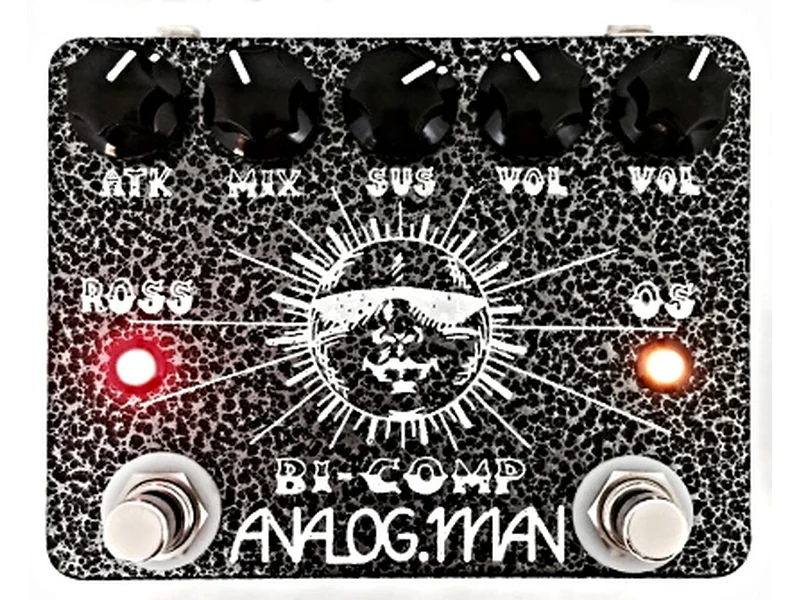
Bi-Comp
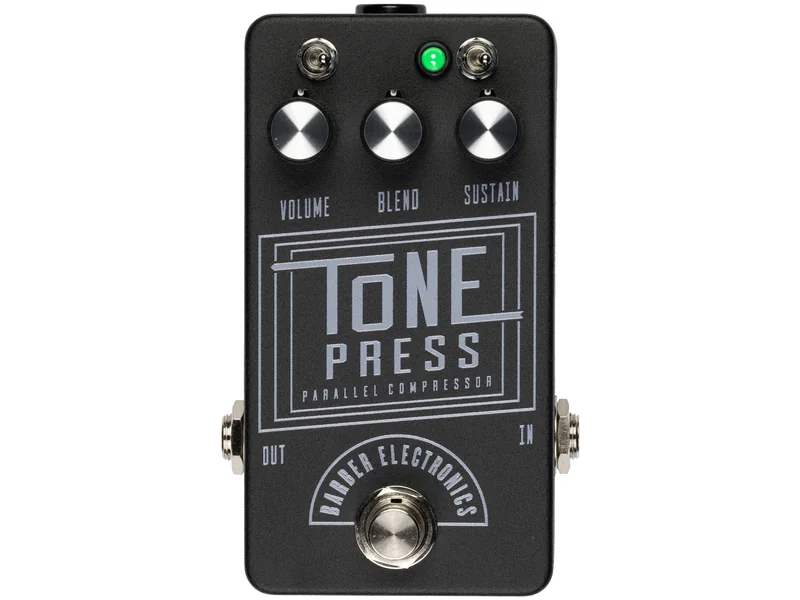
Tone Press
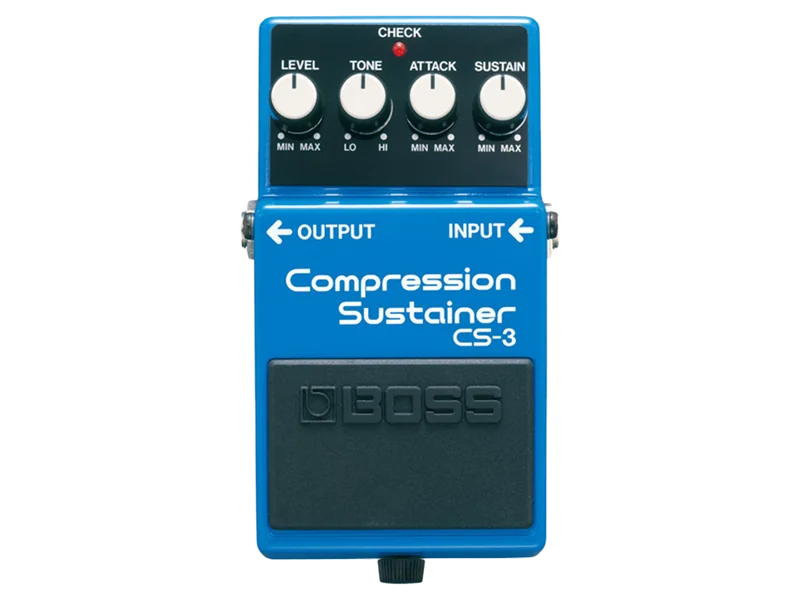
CS-3 Compression Sustainer
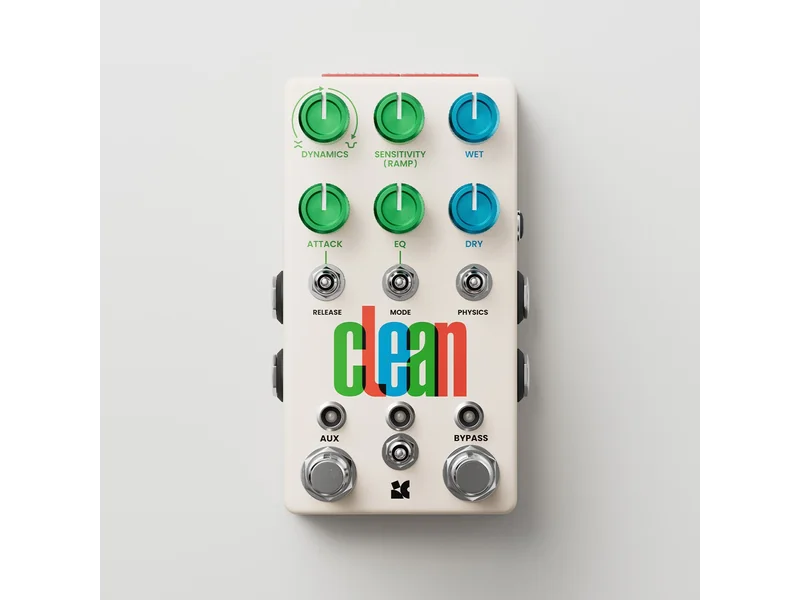
Clean
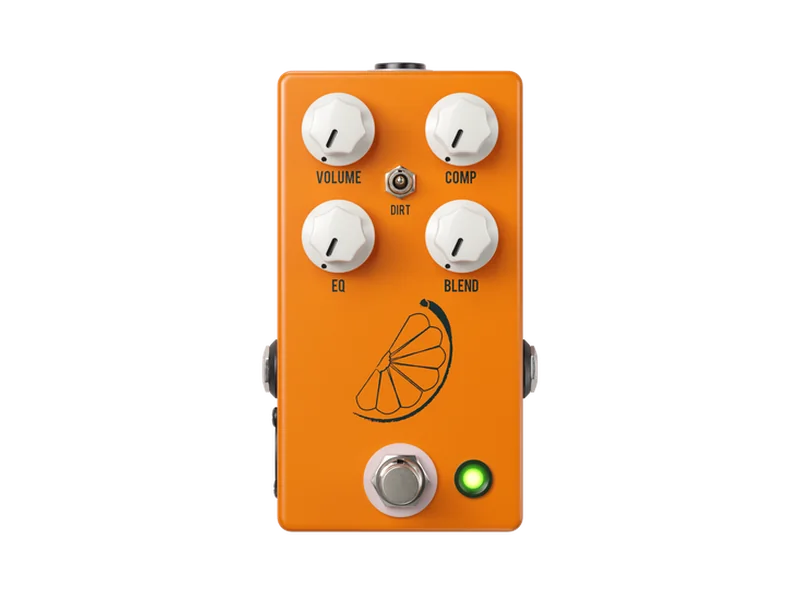
Pulp N Peel
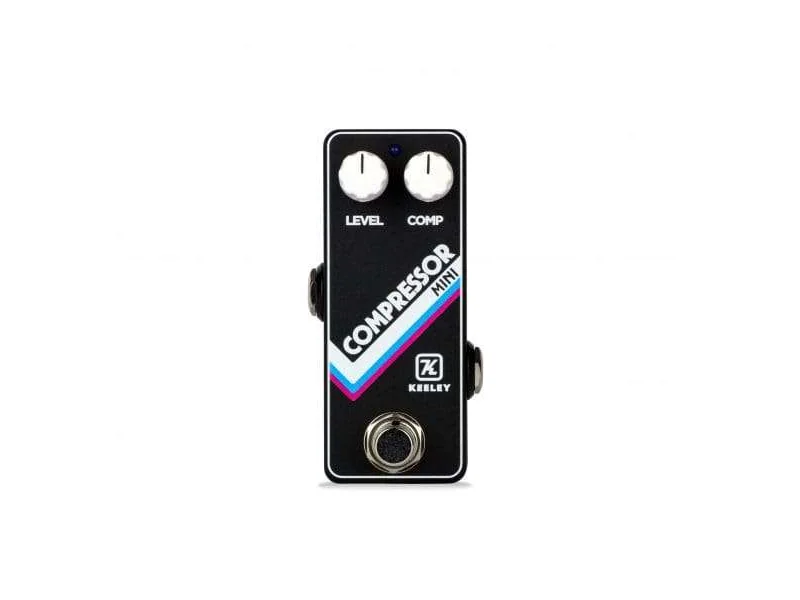
Compressor Mini
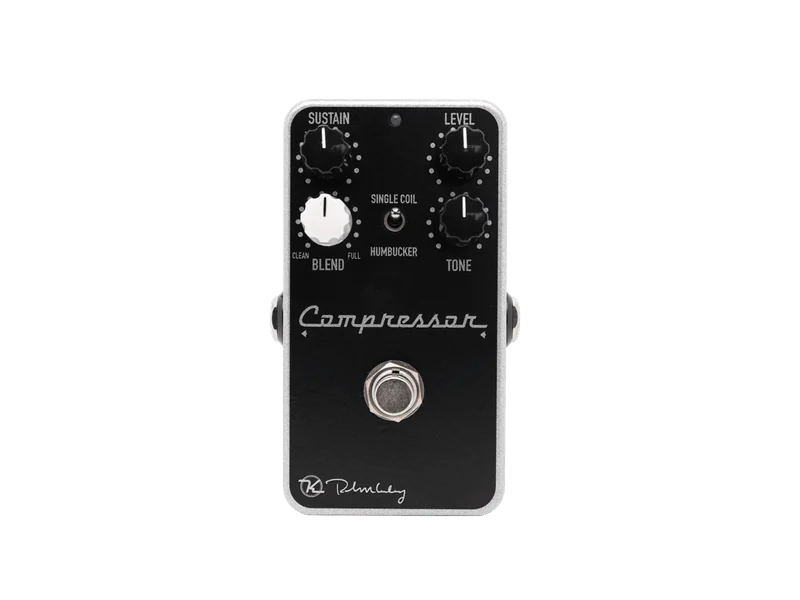
Compressor Plus
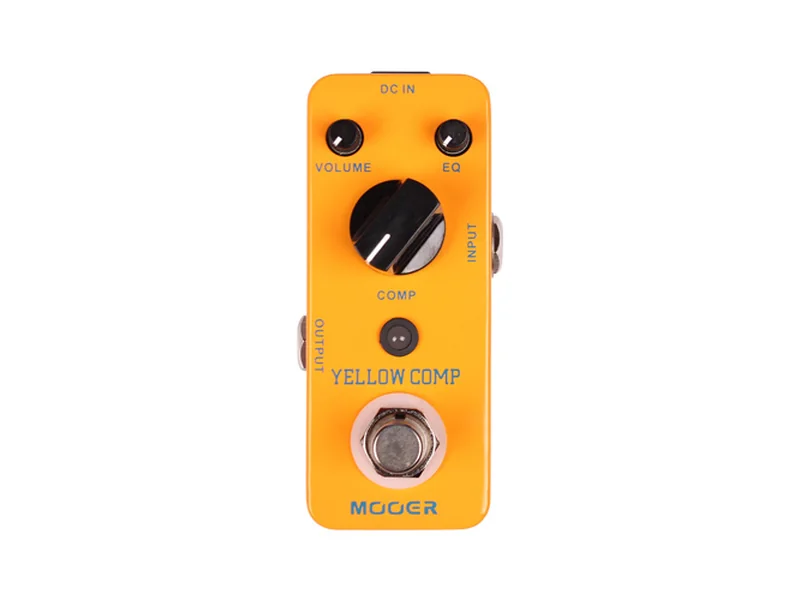
Yellow Comp
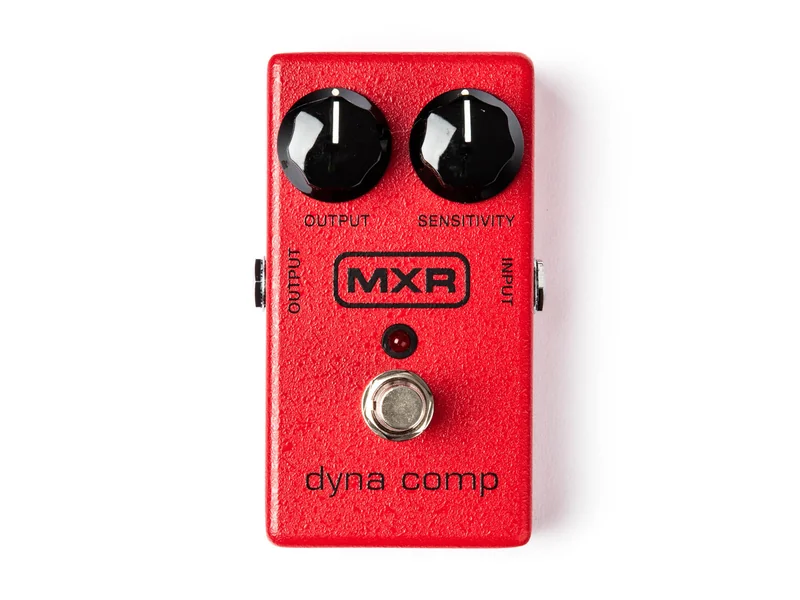
Dyna Comp
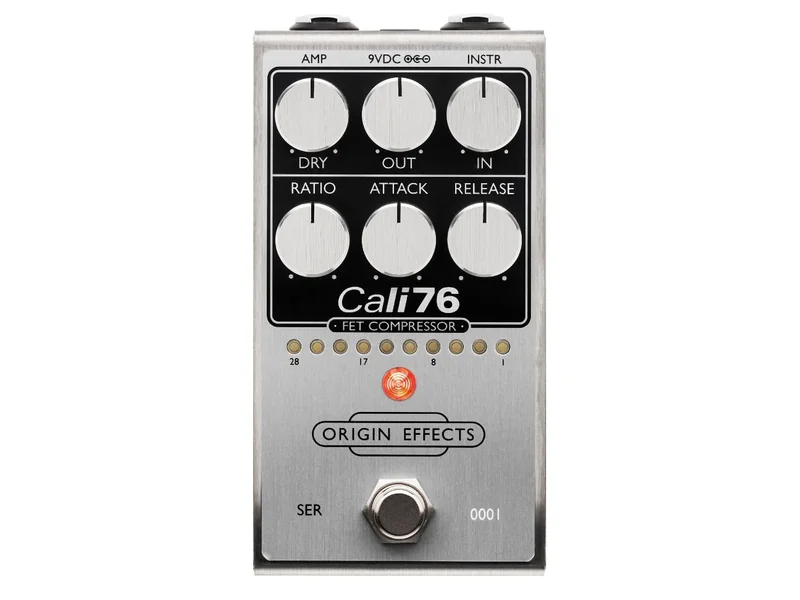
Cali76 FET
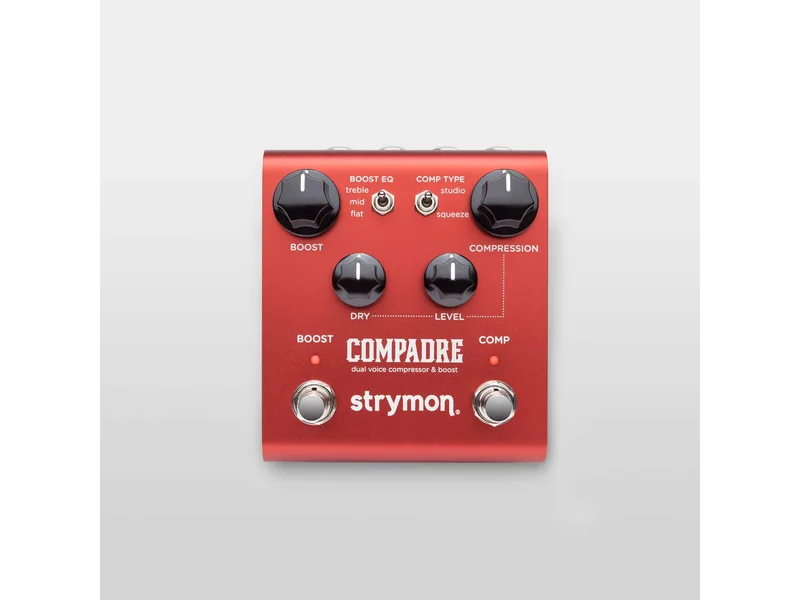
Compadre
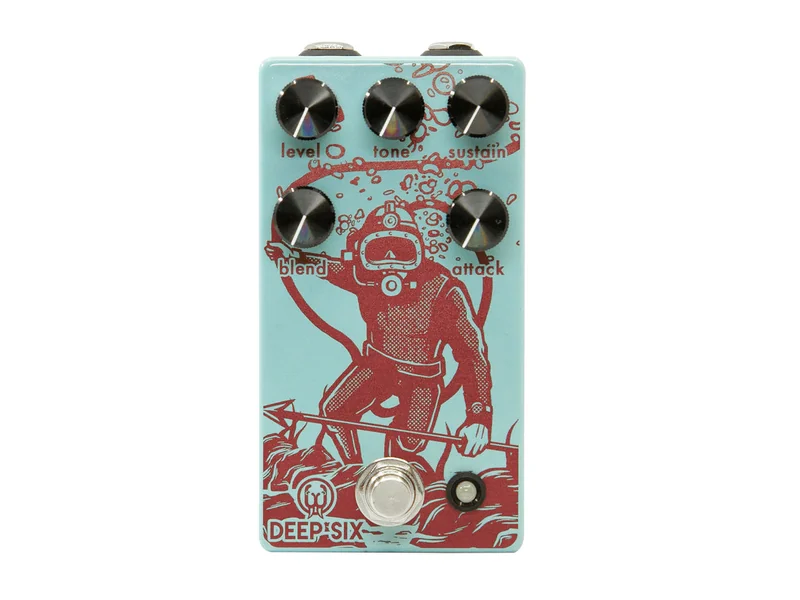
Deepsix V3