Recommended Pedals
The essential Distortion pedals to know about
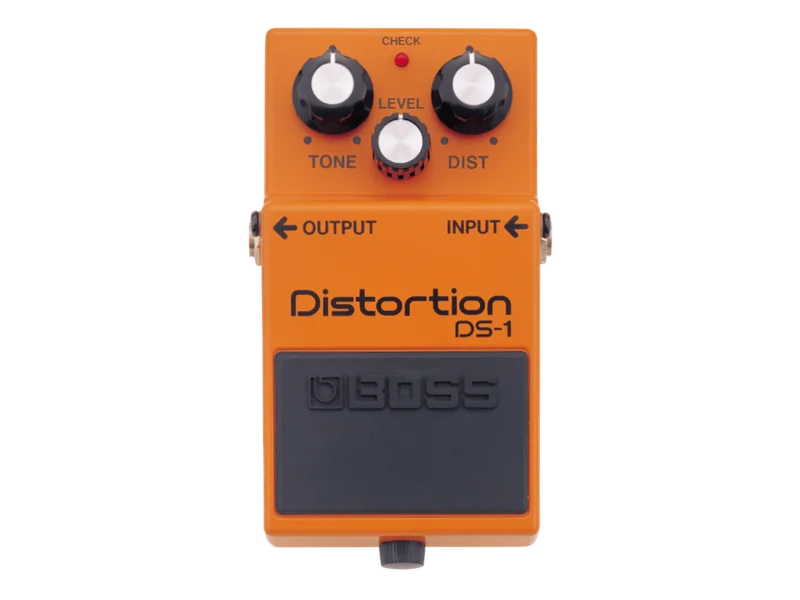
Boss DS-1
That scooped, mid-focused character has defined heavy music for three decades. Stacks beautifully with other distortions for layered intensity. Unkillable build quality—finds its way onto pro rigs because it simply works.
Electro-Harmonix Big Muff Pi
Thick, aggressive saturation with character. The tone stack interacts beautifully with your amp. Pairs well with other distortions for layered tones. More musical than clinical—perfect for rhythm work that needs presence without sounding artificial.
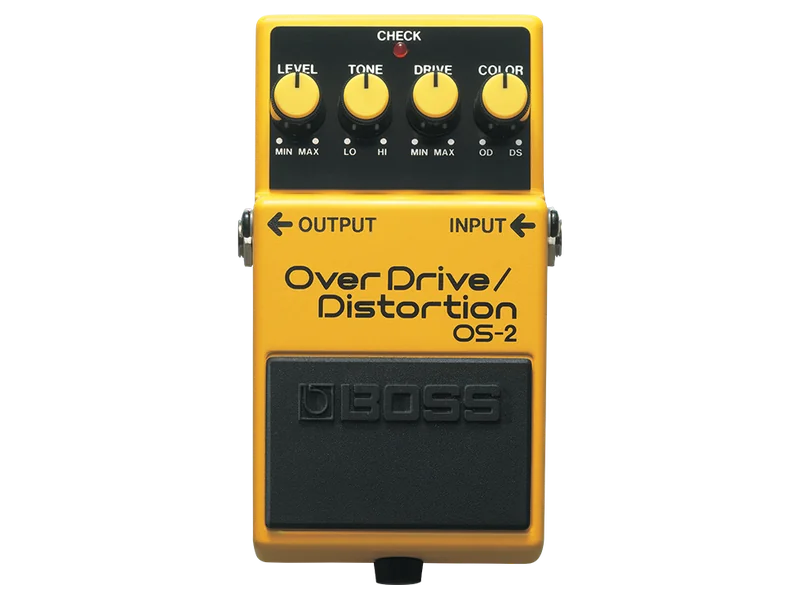
Boss OS-2 Overdrive/Distortion
Two circuits in one pedal—switch between overdrive and distortion instantly. The blend control lets you mix both for custom tones. Perfect for players who want flexibility without a second pedal.
Where overdrive adds character while preserving your fundamental voice, distortion rewrites the entire story. It's the deliberate transformation—the moment your guitar stops sounding like your guitar and becomes something heavier, more aggressive, and entirely its own entity. Distortion doesn't apologize for itself. It hardens the attack, extends the sustain seemingly forever, and reshapes your dynamics into something that demands attention.
The Core Difference: Hard Clipping vs. Soft Clipping
Distortion and overdrive are fundamentally different in how they shape your signal. Both are forms of gain, but the way they handle excess signal determines the character.
Overdrive uses soft clipping. The signal gradually compresses as it reaches its maximum level. Think of it like a balloon slowly inflating—the pressure increases smoothly. Your fundamental note is preserved; the effect adds color and warmth.
Distortion uses hard clipping. The signal slams into a hard limit and bounces off sharply. Think of it like hitting a brick wall—the signal just stops where it can't go any further. This creates the aggressive, fractured harmonics that define distortion's character.
The result: overdrive sounds like an effect on top of your tone. Distortion rewrites your tone entirely.
Clipping Topologies: The Architecture That Makes the Sound
Not all hard clipping sounds the same. The way the circuit clips determines the harmonic character:
Asymmetrical Clipping
The positive and negative parts of the waveform are clipped differently. This creates rich, complex harmonics—a thicker, more musical distortion. The ProCo RAT uses asymmetrical diode clipping, which is why it sounds warm and musical despite being aggressive.
Best for: Blues-rock, classic rock, any genre where you want heavy tone but retain musicality.
Symmetrical Clipping
Both sides of the waveform are clipped equally. This creates more uniform, predictable harmonics. The Boss DS-1 uses symmetrical clipping, which is why it sounds aggressive and defined—great for metal and hard rock.
Best for: Metal, hard rock, any style where you need cutting, defined aggression.
Op-Amp Clipping
Built-in to integrated circuits, op-amp clipping sounds smooth and refined. The clipping point is predictable and transparent. Used in many modern digital distortions.
Best for: High-gain lead work, modern metal, where precision matters more than character.
Germanium Clipping
Rare and expensive, germanium diodes clip the signal with a warm, compressed character. The clipping feels soft and musical, almost like a natural tube amp breakup.
Best for: Vintage enthusiasts, players prioritizing tone over aggression.
Midrange Architecture: The Debate That Divides Genres
One of the biggest differences between distortions lies in how they treat the midrange frequency.
Scooped Mids (V-Shaped EQ)
Classic distortions (Boss DS-1, Boss MT-2) scoop the midrange—they reduce the presence of frequencies around 1-4kHz. This pushes the bass and treble forward, creating a dramatic, scooped tone.
Advantage: In a dense mix (full band, heavy metal), this creates space. Your rhythm tone cuts through without fighting vocals and drums for the same frequency range.
Disadvantage: Played alone or in a sparse context, the tone can sound hollow and thin. The reduction of mids actually removes presence, despite sounding loud in a band context.
Best for: Rhythm players in full bands, particularly metal and hard rock.
Neutral Mids
Modern designs often preserve or slightly boost the midrange, creating presence without sacrificing fundamental tone.
Advantage: The tone sounds full and present no matter the context. Lead lines cut through with clarity. Sustain sounds vocal-like instead of synthetic.
Disadvantage: In a crowded mix, you might need more volume or EQ to sit right.
Best for: Lead players, solo artists, anyone prioritizing tone over mix functionality.
Gain vs. Sustain: The Underrated Distinction
Don't confuse raw gain with sustain. A cheap distortion can offer extreme gain—a knob that goes to 11. But extreme gain often means extreme noise.
What matters is sustain-to-noise ratio. How much musical sustain do you get before the pedal starts hissing?
A quality distortion pedal makes a single note sing for what feels like forever, even through a quiet amp. A cheap pedal will max out on gain and add noise floor hiss that ruins the performance.
Test this: Turn off your distortion pedal and play a note. Hold it for 5 seconds. Now turn on the distortion and do the same. A good distortion will maintain the same sustain with the same noise floor (or less). A poor distortion will add obvious hiss that's unrelated to the gain setting.
Stacking Distortions: The Pro Technique
Professional metal and hard rock players rarely use a single distortion. Instead, they stack two or three.
The Logic: Each distortion stage adds harmonic complexity while introducing natural compression. Distortion A (mild setting) adds character. Distortion B (mild setting) adds more character. Together, they create a tone richer and more responsive than either alone at full gain.
How to Stack:
- First pedal: Set to mild distortion (gain around 6/10), tone controls at 12 o'clock
- Second pedal: Boost mode or asymmetrical clipping, set slightly higher gain
- Third pedal (optional): Subtle, high-treble distortion to add definition on top
Result: Complex, multi-layered distortion that responds to picking dynamics and amp volume like a natural tube amp.
Interactive Controls: Tone, Presence, and EQ
The difference between a one-knob distortion and a multi-knob distortion is night and day:
Tone Control
Most quality distortions have a tone control that lets you dial in treble presence. This is essential because:
- Low gain settings need more treble to sound present
- Higher gain settings might need less treble to avoid harshness
- Different guitars respond to tone control differently
Pro Tip: If your distortion sounds nasal or thin, the tone control is usually the culprit. Experiment with different settings before assuming the pedal is bad.
Presence Control
Some distortions (Boss DS-2, DigiTech, boutique pedals) add a presence control. This adjusts the high-frequency peak that makes distortion sound "punchy" and defined.
Higher presence: Sharper attack, more defined note separation, better for leads.
Lower presence: Smoother, less aggressive, better for blending in a mix.
EQ Section
High-end distortions might include a full 3-band or 4-band EQ. This gives you complete control over the harmonic character.
Noise Gate Integration: A Game-Changer
Higher-gain distortions naturally produce more noise. A built-in noise gate (like certain DigiTech offerings) is invaluable for live situations or high-gain studios.
How it works: When you're not playing, the gate mutes the pedal's output. The moment you play, the gate opens and lets the signal through. This eliminates the "hiss" of a screaming distortion when you're not playing.
Pro Setup: Pair a noise gate distortion with a compressor in front of it. The compressor evens out your picking dynamics, and the gate keeps hiss at bay.
2026 Distortion Landscape: What's Changed
The distortion market is stable and mature. Classic pedals (Boss DS-1, ProCo RAT) remain standards because they work. What's evolved:
Boss Waza Craft Versions
Boss released Waza Craft versions of the DS-1 and other classics. These feature improved components and broader tone shaping. If you want an upgraded DS-1, the Waza version is worth the extra cost.
Digital Modeling
Modeling platforms (like Kemper, Fractal, and Line 6 HX) offer hundreds of distortion algorithms. Many rival or exceed vintage hardware. The advantage: instant recall, easy stacking, zero noise.
The disadvantage: Lost tactile feedback of physical knobs. Some players feel they're chasing tone instead of playing.
Compact Multi-Effects
Boss ME-50, ME-80, and newer generations include high-quality distortions in a pedalboard format. If you're already using modeling, adding a standalone distortion pedal might be redundant.
Common Mistakes: What Players Get Wrong About Distortion
Mistake 1: Using Distortion for Everything
Distortion is a specific sound for a specific job. Using it on every note makes your playing sound one-dimensional. Use overdrive for sustain, distortion for aggression, clean tones for clarity.
Mistake 2: Setting Gain Too High
More gain ≠ better tone. Higher gain obscures picking dynamics and makes everything sound the same. Most professionals use distortion at 6-7/10 gain, leaving room for responsiveness.
Mistake 3: Ignoring Tone Controls
The tone knob isn't just for fun—it's essential. Your guitar's pickup impedance, cable capacitance, and amp input interacts with the distortion's tone control. Experimenting is mandatory.
Mistake 4: Placing Distortion After Modulation
Modulation effects (chorus, flanger) typically go after distortion, but time-based effects (delay, reverb) definitely go last. Distortion → Modulation → Delay → Reverb is the standard order.
Mistake 5: Not Accounting for Your Amp's Breakup
If your amp already breaks up naturally, adding a heavily-gained distortion creates an uncontrolled wall of noise. Consider your amp's natural breakup when setting distortion gain.
Troubleshooting: When Your Distortion Sounds Wrong
Problem: Tone is too thin/nasal
Solution: Turn down the tone control. If that doesn't help, you might have a buffering issue (see Power Supply guide) or cable capacitance issue.
Problem: Noise/hiss is overwhelming
Solution: Lower the gain setting. If hiss persists at low gain, you have a grounding issue or your pedal needs a noise gate. Never raise volume on the distortion itself to compensate for low gain.
Problem: Loses tonal clarity at high gain
Solution: Add a compressor before the distortion. Compression evens out picking dynamics, making the distortion sound tighter. Or stack two milder distortions instead of one high-gain unit.
Problem: Doesn't respond to picking dynamics
Solution: This usually means the gain is too high (the signal is always clipped at maximum). Lower the gain by 2-3 points. Or check if your guitar's pickups have very low output—a boost pedal before distortion might help.
Problem: Sound cuts to silence when switching on
Solution: Check for a level control and make sure it matches your clean tone volume. Some distortions have output level controls that need matching to avoid level drop.
The Bottom Line
Distortion is an effect for a specific job: adding aggression, sustain, and presence. Unlike overdrive (which colors your existing tone), distortion transforms it entirely.
Choose based on your music: scooped mids for metal, neutral mids for lead work, responsive dynamics for rock. And remember—the best distortion is the one that inspires you to play more, not the one with the most features or highest gain rating.## Distortion in Different Genres: Context-Specific Approaches
Metal and Hard Rock
The classic metal setup pairs two distortions: a rhythm distortion (often scooped mids like DS-1) and a lead distortion (often with more midrange presence for clarity). The rhythm distortion provides aggressive texture in power chords, while the lead distortion cuts through with sustain and articulation on single notes.
Pro Setup:
- Drive 1 (Rhythm): Boss DS-1 or similar, gain at 5-6, tone at 2 o'clock
- Drive 2 (Lead): High-end distortion with presence control, gain at 7-8, tone shaped for your amp
Switching between them lets you maintain attack consistency while getting tonal variety.
Blues and Classic Rock
These genres use distortion sparingly—usually as an accent for solos rather than the foundation. The emphasis is on tone, touch responsiveness, and musical expression.
Pro Setup:
- Single distortion with excellent tone control (ProCo RAT is the standard)
- Gain set low (3-4/10) so picking dynamics shine
- Use the volume knob to control amount of distortion rather than the gain knob
- Pair with a compressor to even out picking dynamics
The RAT's asymmetrical clipping means even low-gain settings sound musical and complex.
Alternative Rock and Indie
These genres often use multiple stacked distortions for textural depth. The goal isn't maximum aggression—it's creating a cohesive, unified tone that still responds to touch.
Pro Setup:
- Cascading mild distortions (Tube Screamer + RAT + slight digital distortion)
- Each at low-to-moderate gain
- Blended together for harmonic richness
- Results in tone that's heavy but still musical and responsive
Punk and Garage Rock
Maximum aggression with minimal controls. A single pedal pushed to extreme gain, sometimes paired with a straight-into-amp setup.
Pro Setup:
- Single distortion at high gain (8-10)
- Tone control cranked up to cut through
- Maybe add compression before it for controlled chaos
- The philosophy: tone is less important than attitude
Impedance Matching: The Hidden Variable
Your guitar's pickup impedance directly affects how a distortion pedal responds. High-output pickups (humbuckers, active electronics) behave differently than single-coils.
High-Output Pickups (Humbuckers, Active):
- More signal hitting the distortion = natural compression from earlier in the signal chain
- Distortion can be set lower while still getting full saturation
- Tone control should be dialed back (nasal tendency)
- Stacking distortions works better because they're more responsive
Low-Output Pickups (Single-Coils, Vintage):
- Less signal hitting the distortion = more headroom needed
- Distortion might need higher gain settings
- Tone control should be cranked up (thin tendency)
- A clean boost before distortion helps dramatically
Understanding your pickup impedance explains why the same pedal sounds different on different guitars. It's not the pedal—it's the impedance matching.
The Distortion-to-Amp Relationship: Critical Context
How your distortion sounds depends heavily on your amplifier. A high-headroom solid-state amp (Fender, etc.) requires different distortion settings than a natural-breakup tube amp (Marshall, Fender, boutique amps).
Solid-State Amp with Clean Headroom
Your amp doesn't break up naturally. The distortion pedal does all the work.
Setup:
- Distortion can handle more gain without sounding chaotic
- Tone controls matter more (less amp tone shaping)
- Attack and sustain come from the pedal, not the amp
- Works great with high-output pickups
Tube Amp with Natural Breakup
Your amp breaks up when you push the volume. The distortion pedal works with the amp.
Setup:
- Distortion gain should be moderate (5-7/10) so amp breakup adds sustain
- Turning up amp volume increases overall gain in controlled way
- Tone becomes combination of pedal AND amp
- More responsive to playing dynamics
High-Headroom Boutique Amp (Divided Input)
Some amp designs (like many Friedman amps) have a "normal" and "high gain" input. This changes how you approach distortion.
Setup:
- Use the high-gain input if available
- Distortion becomes an add-on boost rather than the primary gain
- Allows more subtle, responsive distortion
- Works extremely well with lower-gain pedals
Frequency Response: Why Your Distortion Sounds Different Through Different Cabs
A 1x12" closed-back cabinet sounds completely different than a 2x12" open-back, even with the same amp and distortion. The cabinet's resonant frequency affects which harmonics the distortion produces.
Closed-Back Cabs (Tight Bass):
- Emphasize low mids and bass
- Scooped-mid distortions can sound muddy
- Benefit from more neutral-mid or boosted-mid distortions
Open-Back Cabs (Loose Bass):
- Natural bass roll-off
- Scooped-mid distortions sit better
- Classic metal setup
Large Cabs (2x12"+):
- Bass response is more extended
- You can go lower on distortion gain without losing presence
- More cabinet "tone" means less reliance on pedal controls
Understanding cabinet characteristics helps explain why your distortion sounds different at home versus on a stage with a larger amp rig.
Ordering in Your Signal Chain: The Distortion Priority
Distortion placement matters more than most players realize:
Optimal Order
- Guitar Input → Tuner
- Boost/Compressor
- DISTORTION GOES HERE
- Modulation (Chorus, Flanger)
- Delay/Reverb
Why this order? Distortion needs clean input to respond properly (hence boost/compressor before it) and time effects last (so delay/reverb affects the whole mix, not just the distortion).
Exception: Fuzz Before Everything
If using fuzz (different from distortion), fuzz goes first or after tuner. Fuzz hates buffered tuners, so either use true-bypass tuner or place fuzz before buffered tuner.
Final Thoughts: The Distortion Philosophy
Distortion isn't about maxing out gain or chasing specifications. It's about finding an effect that serves your music. Some players use it constantly, others barely touch it.
The magic happens at moderate gain settings with good tone control. That's where distortion becomes responsive, musical, and inspiring. That's where you stop thinking about the pedal and start thinking about the music.
The best distortion is the one that makes you want to play more.
Live Distortion Price Index
UK & European retailers • Updated daily
Browse All Distortion Pedals
DS-1 Distortion
DS-1X Distortion
MD-2 Mega Distortion
ML-2 Metal Core
OS-2 Overdrive/Distortion
Wave Cannon Zero
FreqOut Natural Feedback Creator
Acapulco Gold
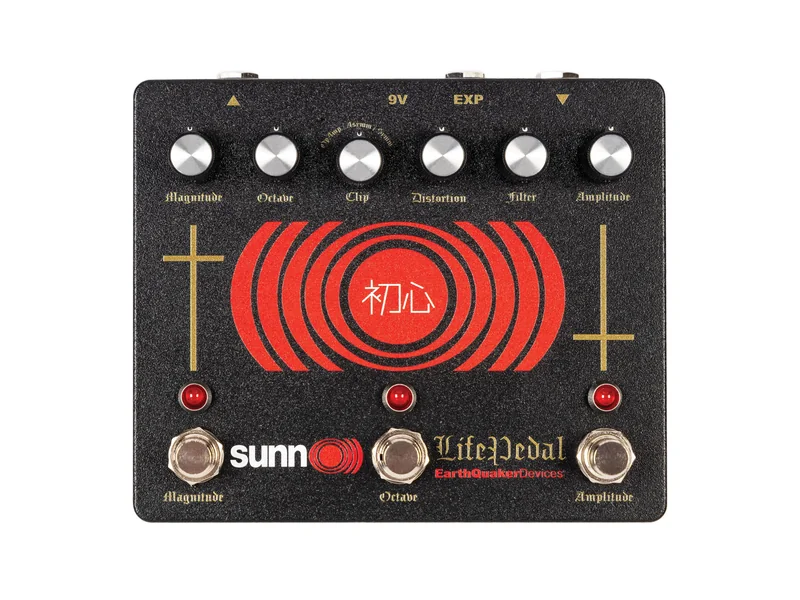
Life Pedal V3
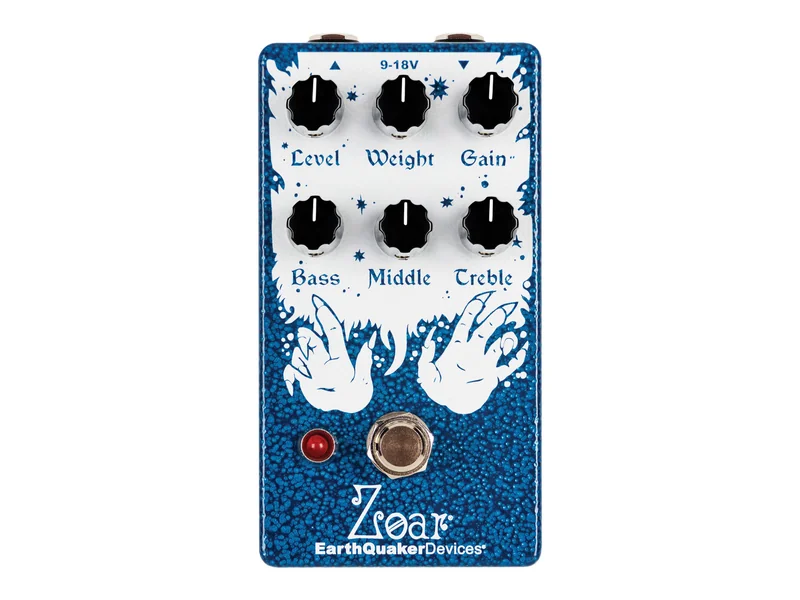
Zoar
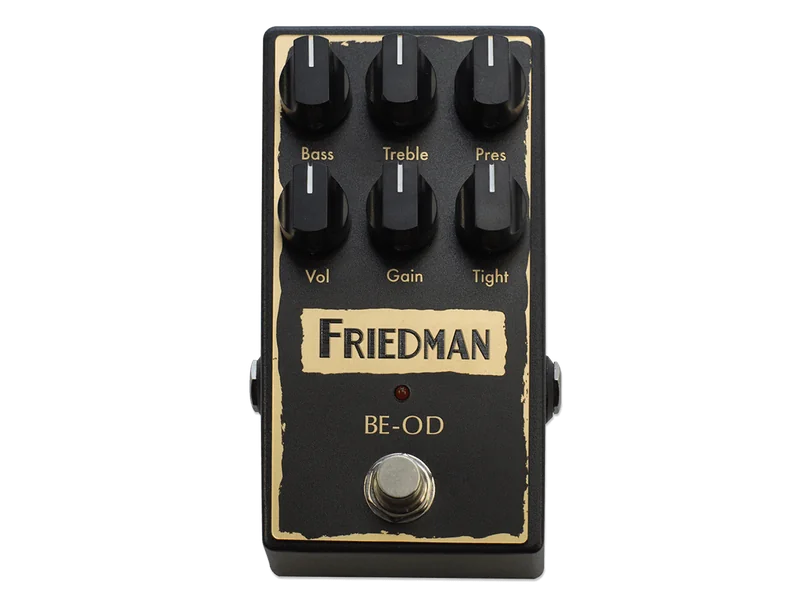
BE-OD
PackRat
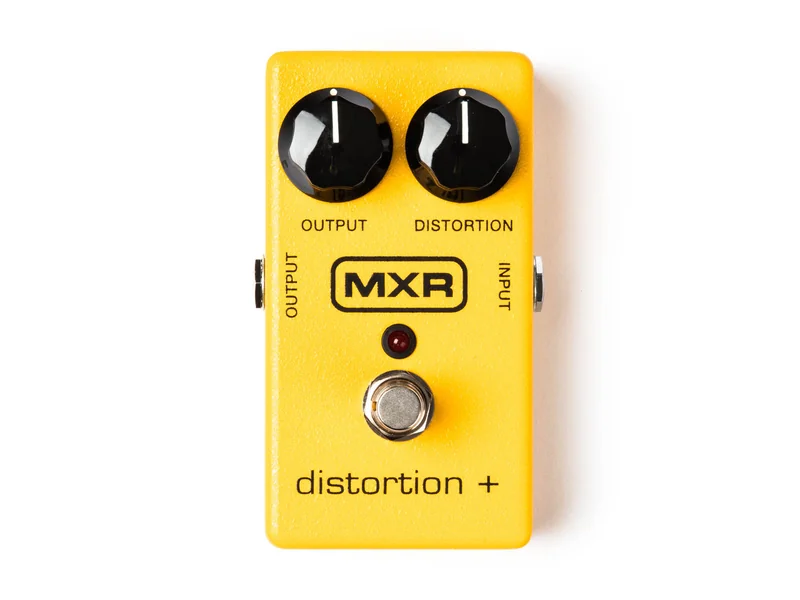
Distortion+
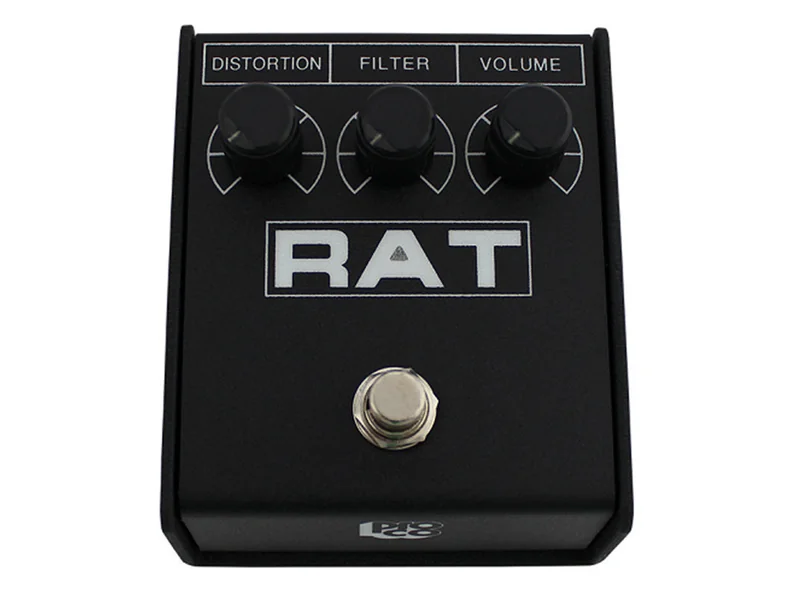
ProCo Rat 2
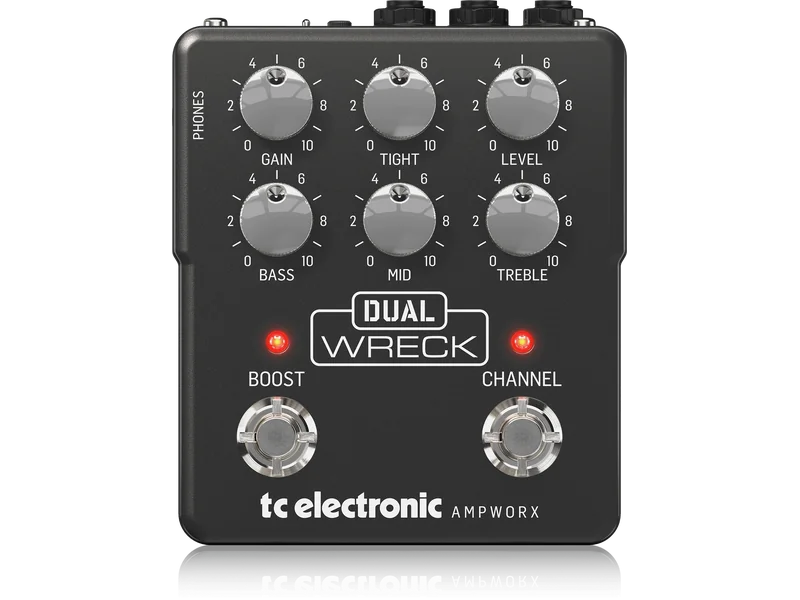
AmpWorx Dual Wreck
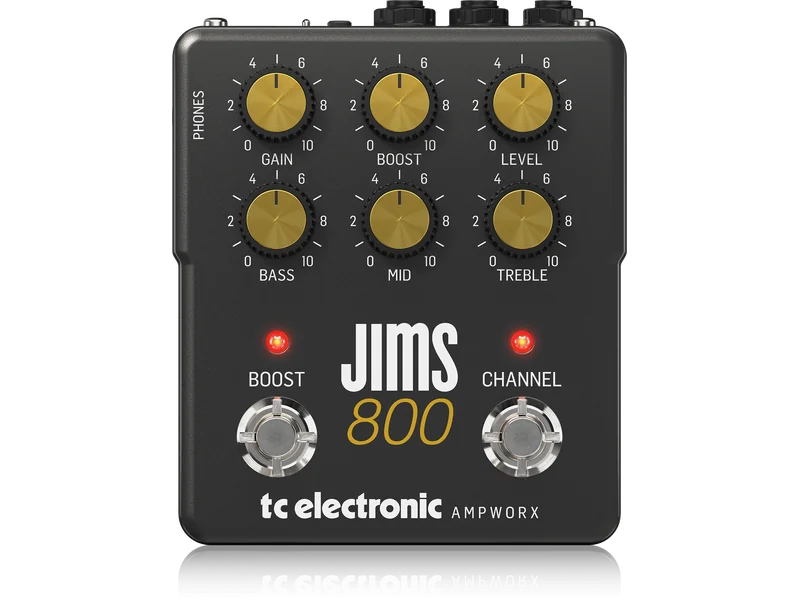
AmpWorx JIMS 800
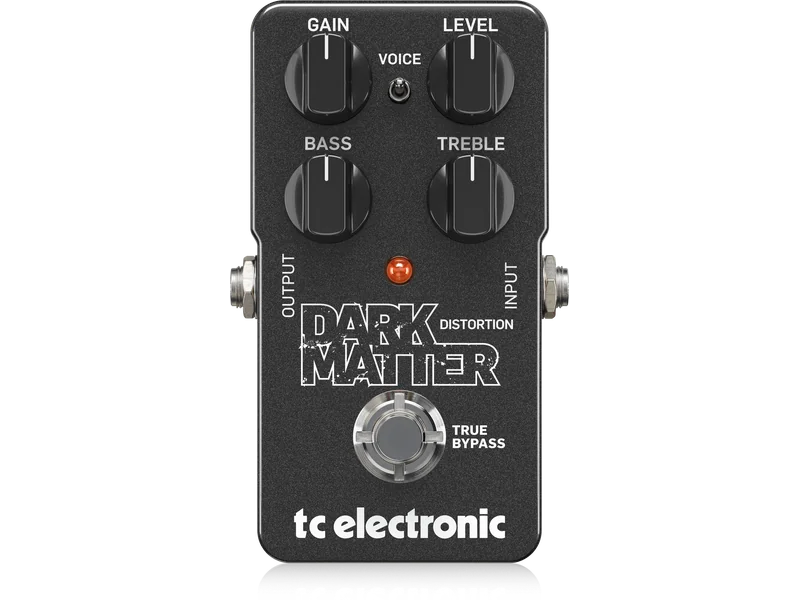
Dark Matter Distortion
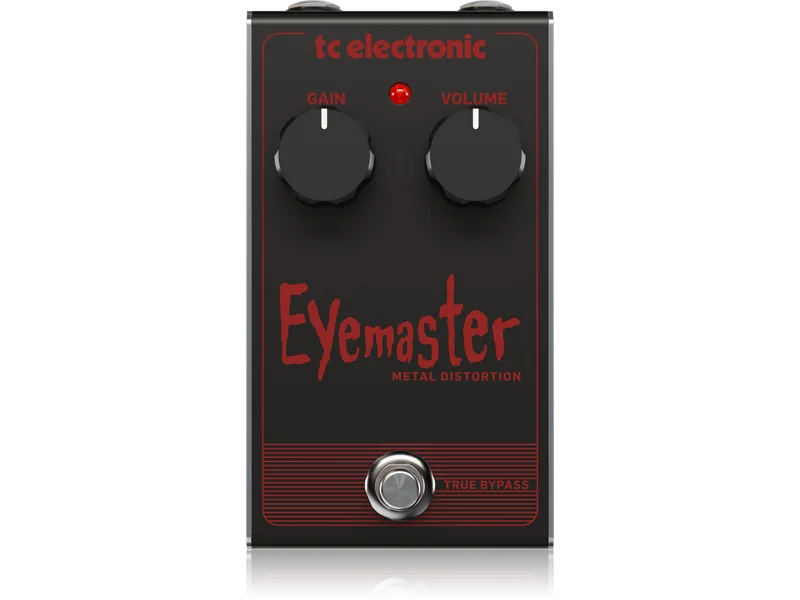
Eyemaster Metal Distortion
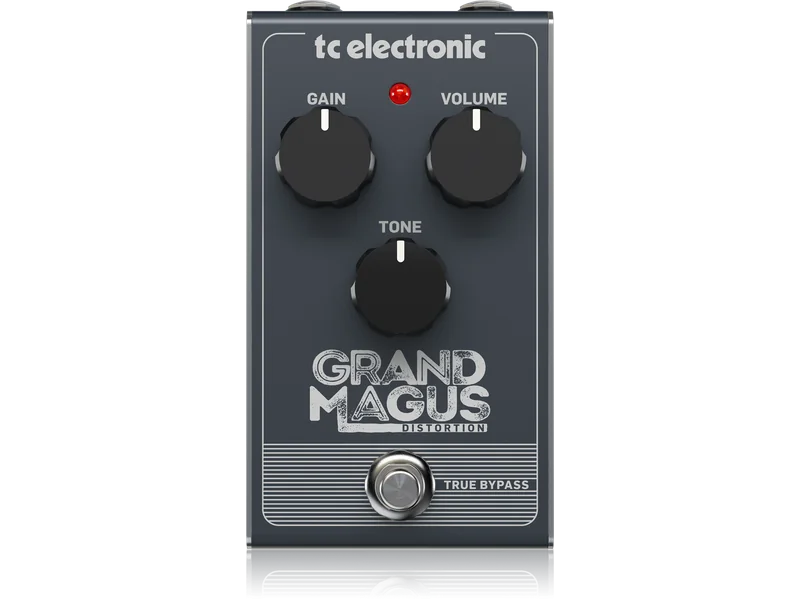
Grand Magus Distortion
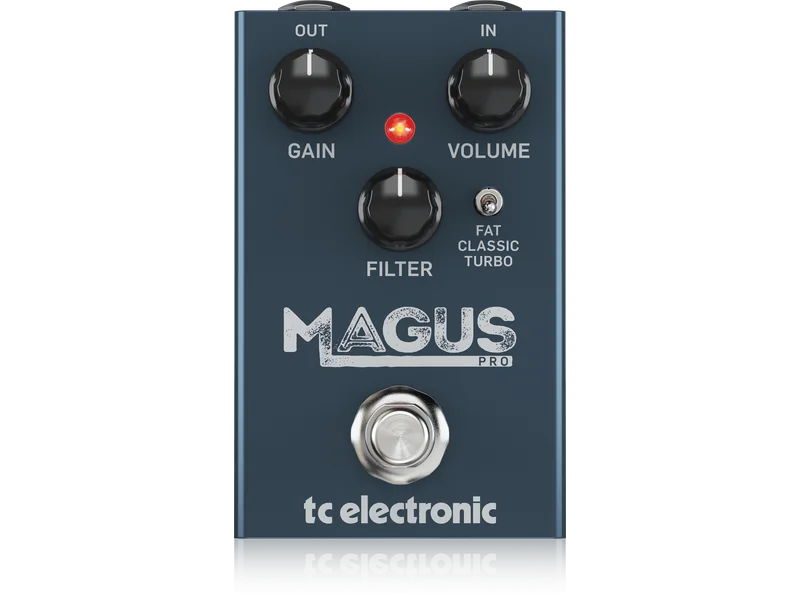
Magus Pro Distortion
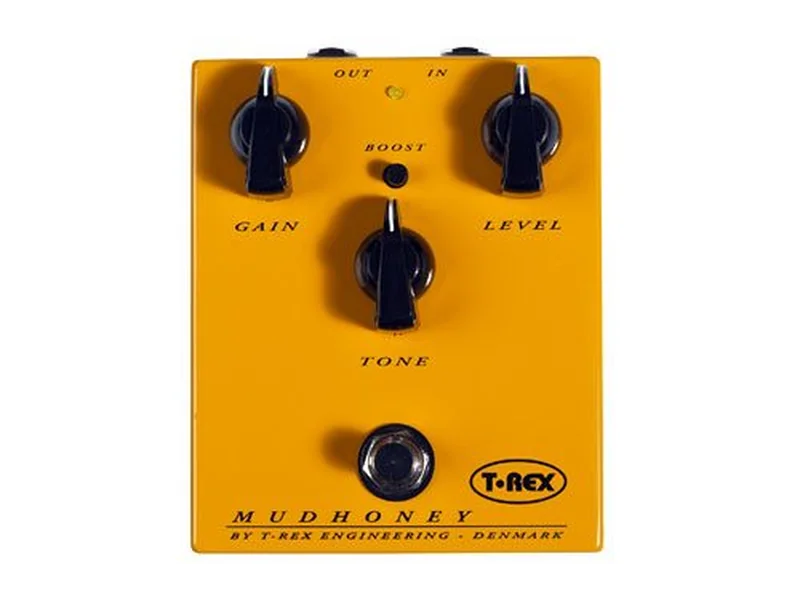
Mudhoney
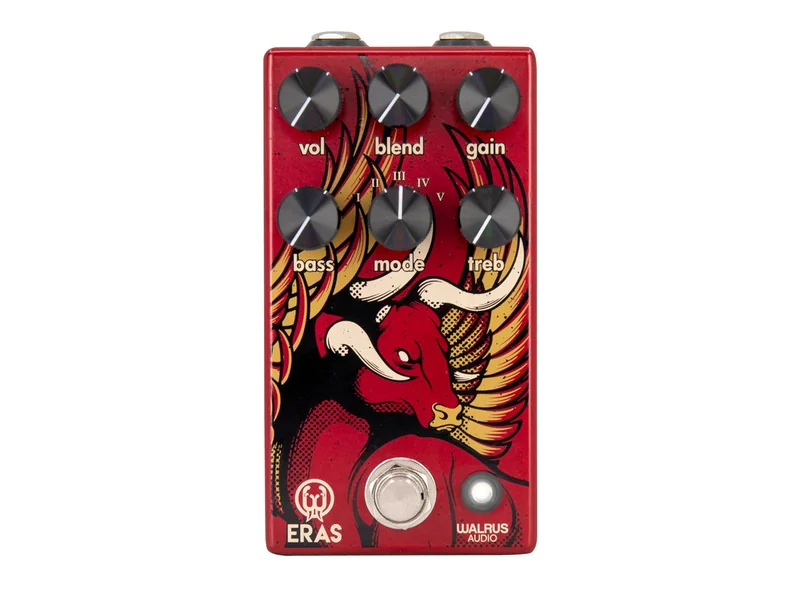
Eras
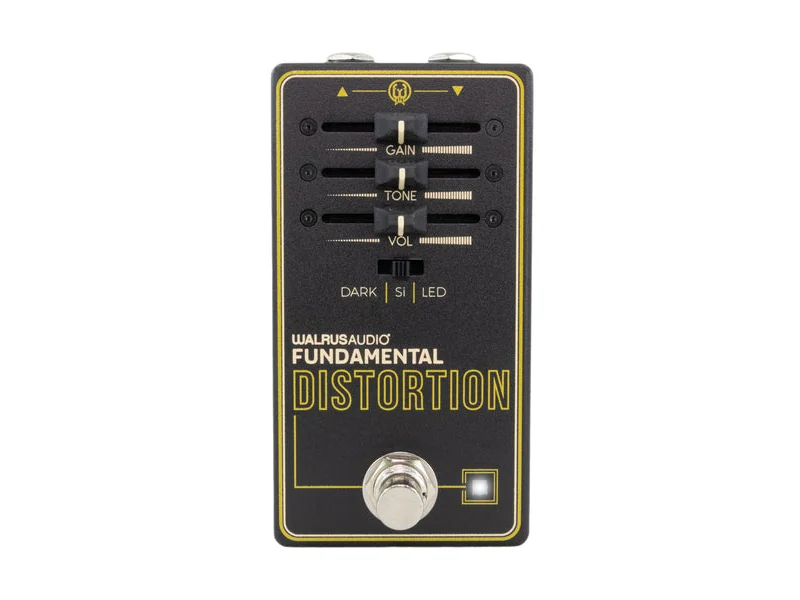
Fundamental Distortion
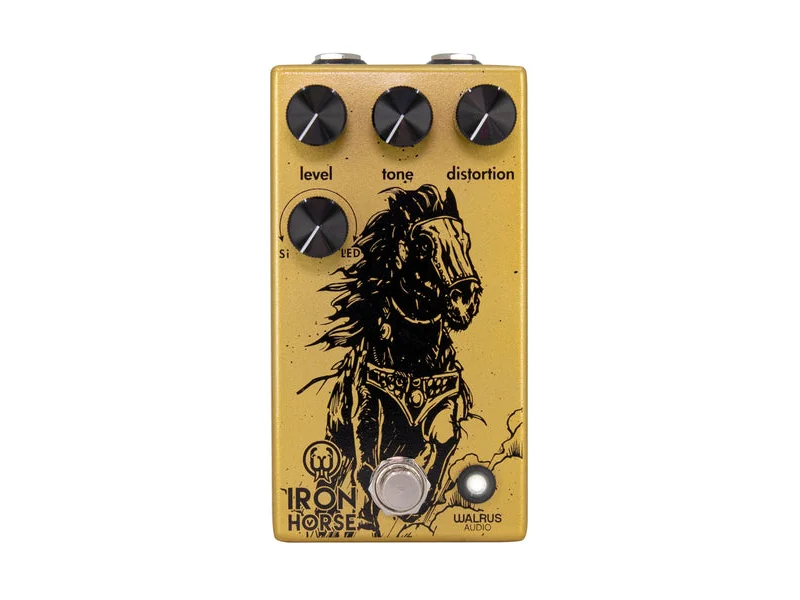
Iron Horse V3
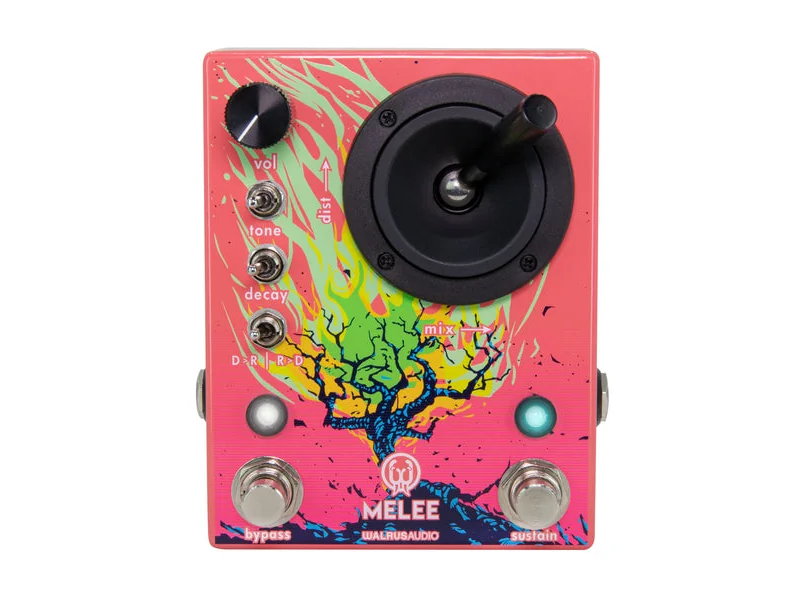
Melee: Wall of Noise
Pinnacle Distortion
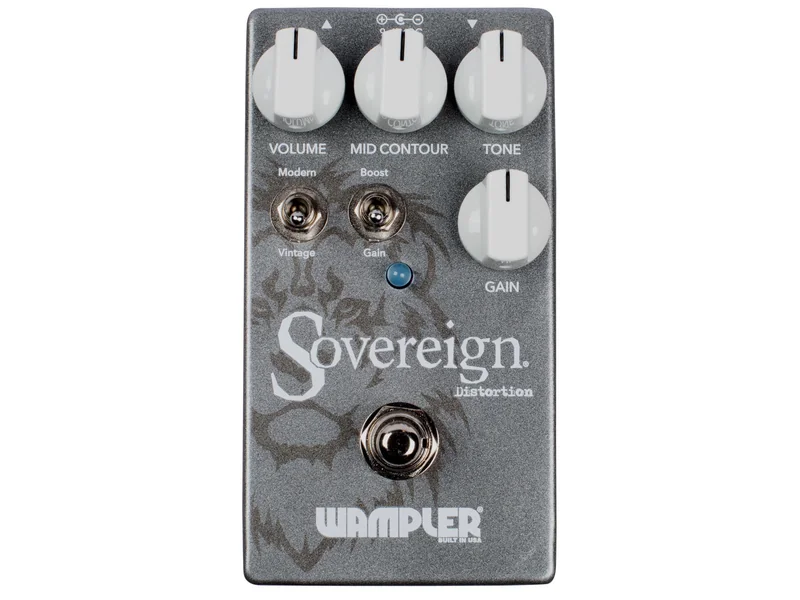
Sovereign Distortion
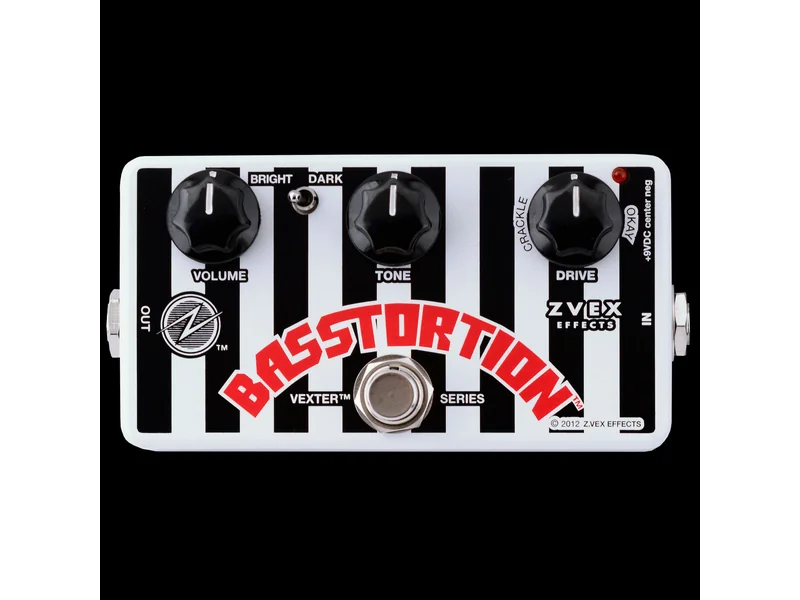
Basstortion