Recommended Pedals
The essential Fuzz pedals to know about
Electro-Harmonix Big Muff Pi
Iconic sustain and harmonic richness that's defined rock music for decades. That wall-of-sound character is unmistakable. Works with any pickup configuration.
Dunlop Fuzz Face JHF1 Jimi Hendrix
Iconic fuzz that responds to your guitar's volume knob. Clean up by rolling back; sustain forever with the knob cranked. The holy grail of interactive fuzz.
EarthQuaker Devices Hoof Fuzz
Aggressive, sustain-for-days fuzz that cuts through dense mixes. No apologies, pure attitude. Digital switch for tone variations.
Fulltone 69 Fuzz
Classic fuzz that stacks beautifully with other drives. Compression and sustain without muddiness. Extremely responsive to picking technique.
TC Electronic Honey Pot Fuzz
Affordable silicon fuzz with thick, sustaining tones. True bypass and compact size make it perfect for beginners exploring fuzz without breaking the bank.
Fuzz is where modern effects began. Before distortion existed, before people knew what an 'effect' was, guitarists discovered that overloading circuits and speakers created the most beautiful, harmonically complex sounds imaginable. That magic persists in modern fuzz pedals. Fuzz doesn't try to be subtle; it's controlled chaos. It adds sustain that seems infinite, harmonics that dance across the frequency spectrum, and a responsiveness to playing dynamics that's impossible to predict without hearing it. It's for players willing to lose some precision in exchange for character and presence.
Why Fuzz Is Different From Distortion
Fuzz and distortion are fundamentally different animals. While distortion is hard clipping (the signal hits a hard limit), fuzz is something far more complex. Fuzz circuits use transistors that are specifically biased to interact unpredictably with your incoming signal. The result isn't a controlled clipping of your note—it's a transformation of the entire waveform into something richer, messier, and more alive.
The key difference: Distortion controls the amount of clipping. Fuzz responds to the dynamics of your playing. The same note played softly and played hard will sound completely different through a fuzz. This responsiveness is the source of fuzz's magic and its challenge.
Germanium vs. Silicon: The Eternal Debate
Fuzz started with germanium transistors in the 1960s. They sound incredible—warm, responsive, musical. But germanium is temperature-sensitive. A fuzz that sounds glorious in a warm studio becomes nasal and thin in a cold venue. Germanium also drifts over time; vintage fuzzes sound different today than they did new.
Silicon transistors arrived later and offered consistency. Silicon fuzzes are more reliable, more predictable, and slightly brighter. They cut through better in dense mixes and won't surprise you with temperature-induced tonal shifts.
The truth: Both sound amazing. Choose based on your environment and priorities:
- Germanium: Best for studio, bedroom, controlled environments. Superior tone and warmth. Requires maintenance.
- Silicon: Best for live, touring, varying temperatures. Consistent performance. Slightly more aggressive.
Modern boutique builders (EarthQuaker, Fulltone) often use matched NOS (New Old Stock) germanium transistors for better consistency than vintage units. This is the best of both worlds.
The Signal Chain Rule You MUST Know: Buffer Before Fuzz = Tone Death
This is the most critical technical point about fuzz. Period.
Your guitar's pickups output a high-impedance signal (~250kΩ). Fuzz circuits are designed to interact with this high-impedance signal. When a fuzz interacts with your pickup impedance, it creates responsive, dynamic tone.
What breaks it: A buffer (tuner, compressor, or buffered pedal) before fuzz lowers the impedance to ~10Ω. The fuzz "feels" a weak, low-impedance signal instead of your guitar's natural pickup impedance. The result: thin, lifeless fuzz that loses all responsiveness and character.
The Rule: Fuzz must be first in your signal chain, directly from your guitar. No exceptions (we'll discuss them below).
Exception 1: True Bypass Tuner Before Fuzz
If your tuner is true bypass, it's transparent when off. You can use it before fuzz without tone loss.
Exception 2: Fuzz-Specific Designs
Some modern fuzzes (Boss FZ-1W, certain EarthQuaker designs) are specifically voiced to work after a buffer. Check the manual—if it says "buffer friendly," you can use a buffered tuner before it.
Exception 3: The Voltage Pedal
A dedicated voltage supply (like a Strymon MultiSwitch) feeding fuzz first-in-line is fine because it's not adding impedance to the signal path.
Fuzz Topologies: The Circuit Architectures
Fuzz Face Topology
The original circuit from the 1960s. Uses two stacked transistor stages with the output feeding back to the input, creating wild interaction with picking dynamics.
Character: Extremely responsive. Roll back guitar volume = clean tone. Crank it = infinite sustain. Playing dynamics transform the tone moment-to-moment.
Best for: Players who actively use their volume knob. Blues, psychedelic rock, any style where responsiveness matters.
Examples: Dunlop Fuzz Face, various boutique Fuzz Face clones.
Big Muff Topology
Multi-stage design with a more aggressive EQ circuit built in. Less interactive with guitar volume, more about the wall-of-sound character.
Character: Thick, sustained, harmonic-rich. Less responsive to volume knob, more about overall aggression. The tone stack lets you shape from dark to bright.
Best for: Hard rock, metal, anyone wanting that iconic "Big Muff" sustain. Works equally well with any pickup type.
Examples: Electro-Harmonix Big Muff, Boss FS-1W (digital version).
Tone Bender Topology
Classic British fuzz with a unique three-transistor design. Aggressive, compressed, slightly filtered character.
Character: Vintage aggression with subtle EQ coloration. Sustain is long but controlled. Excellent for stacking.
Best for: Vintage players, anyone wanting that British rock tone. Excellent as a first fuzz in a stacking arrangement.
Examples: Fulltone 69, various Tone Bender recreations.
Octavia Topology
Fuzz with octave-up effect built in. Creates a higher-register harmony note alongside the fuzz.
Character: Unique, orchestral. Not for everyone, but iconic in the right context.
Best for: Experimental players, psychedelia, anything where texture and uniqueness matter more than straightforward aggression.
Voltage: The Hidden Tone Control
Fuzz circuits respond dramatically to power supply voltage. Running a fuzz at 9V sounds one way. Running the same fuzz at 7V or 8V creates a softer, more compressed feel.
Why? Transistors bias differently at different voltages. Lower voltage = less headroom = earlier saturation = softer clipping.
The Pro Technique: Some boutique fuzz builders (like certain EarthQuaker designs) offer voltage selection switches. Experiment:
- 9V = Maximum clarity and aggression
- 7-8V = Soft, compressed, vintage-sounding character
If your fuzz doesn't have a voltage switch, you can experiment using:
- A variable power supply (for experimentation only)
- Stacking fuzzes at different voltages
- Accepting that your fuzz is what it is
Fuzz Responsiveness: The Soul of the Effect
The best fuzzes respond immediately to playing dynamics:
Pick dynamics: Hard pick = thick aggression. Soft touch = thinner, more controlled sustain.
Volume knob: Rolling back volume should clean up the fuzz noticeably. This is the Fuzz Face magic—infinite control without pedal footswitches.
Pickup selection: Switching between neck and bridge pickup should noticeably change the fuzz character. Bridge pickup = tighter, more aggressive. Neck = warmer, rounder.
Hand position: Where you pick on the string affects how the fuzz responds. This is what separates playing a fuzz (an instrument) from using a fuzz (an effect).
Poor responsiveness indicates:
- Fuzz is too high in the signal chain after a buffer (impedance problem)
- The fuzz design isn't responsive by nature (cheap circuit)
- Your pickups are very low output (solution: clean boost before the whole board, or first-stage gain)
Stacking Fuzzes: Creating Tone Complexity
Pro players rarely use a single fuzz. Stacking creates layered, complex tones that neither fuzzes produce alone.
Fuzz → Fuzz Stacking
Two fuzzes in sequence create unpredictable, beautiful interactions:
Setup:
- First Fuzz (Lighter): Set to mild fuzz at 5-6/10 gain
- Second Fuzz (Aggressive): Set higher, around 7-8/10
The first fuzz "colors" the signal, then the second fuzz adds another layer. Result: Complex, multi-dimensional tone.
Fuzz → Overdrive/Distortion
Fuzz into a mild overdrive or distortion creates compression and sustain:
Setup:
- Fuzz first (natural, responsive)
- Mild distortion/overdrive second (adds compression and tightness)
Result: Fuzz sustain combined with controlled aggression.
Fuzz → Compressor
This is unconventional but powerful. A compressor after fuzz evens out the fuzz's dynamic wildness:
Setup:
- Fuzz first (responsive, wild)
- Compressor second (tames dynamics, adds sustain)
Result: Fuzz character with predictable sustain.
Tone Controls: When Your Fuzz Has EQ
Fuzz pedals with tone controls (Big Muff, some EarthQuaker designs) are more versatile:
Tone Control on Fuzz Face
Many Fuzz Face designs lack a tone control, making them "what you get" designs. But some boutique versions add tone shaping.
Tone Stack on Big Muff
The Big Muff's tone stack is a full 3-band EQ-ish circuit:
- Lower frequencies: Bass control
- Mid frequencies: Tone control (less tone = darker)
- High frequencies: Sustain control
These interact, so experimentation is key.
Using Tone Controls Effectively
Don't set tone controls to "flat" (12 o'clock). Experiment:
- Dark tone = better for metal and heavy styles
- Bright tone = better for cutting through live mixes
- Scooped tone = thick, wall-of-sound character
Fuzz in Your Signal Chain: Placement and Interaction
Optimal Order
- Guitar → True Bypass Tuner (if needed)
- FUZZ GOES HERE (directly from guitar or after true bypass tuner)
- Compressor (optional, after fuzz)
- Overdrive/Distortion (if stacking)
- Modulation (Chorus, Flanger)
- Delay/Reverb
Why This Order?
- Fuzz first means it responds to guitar and gets the purest signal
- Compressor after (if used) tames fuzz wildness
- Modulation after distortion so it affects the whole tone
- Time effects last so they affect everything
Famous Fuzz Tones: What Made Them Sound That Way
Jimi Hendrix - Dunlop Fuzz Face + Marshall JTM45
Responsive Fuzz Face interacting with a natural-breakup Marshall tube amp. The combination created interactive, dynamic fuzz that follows his playing perfectly.
Lesson: Responsiveness + natural amp breakup = magic.
David Gilmour - Big Muff + Hiwatt Tube Amp
A thick Big Muff feeding into a powerful, clean-headroom tube amp. The contrast between the fuzz's aggression and the amp's clarity creates definition.
Lesson: Big Muff works with any amp; pair with clean amp for maximum clarity.
Jack White - Tone Bender + Various Amps
Vintage British tone that stacks beautifully with other effects. The compression and sustain of a Tone Bender create a tonal foundation that other effects enhance.
Lesson: British fuzz topology stacks better than other designs.
2026 Fuzz Landscape: What's Available Now
Vintage Prices Remain High
Genuine vintage Fuzz Faces and Big Muffs cost serious money. Unless you're committed to vintage gear, modern recreations sound equally good.
Boutique Builders Dominate
EarthQuaker Devices, Fulltone, and other boutique brands have created fuzzes that rival vintage gear in tone while offering reliability and consistency.
Digital Fuzz Modeling
Boss FZ-1W and modeling platforms offer digital fuzz emulation. These are surprisingly good—not identical to vintage, but close enough for most purposes. Advantage: no temperature sensitivity, instant recall, easy stacking.
NOS Germanium Trend
Modern boutique fuzzes use carefully selected "New Old Stock" germanium transistors. This gives vintage warmth with modern consistency—a genuine improvement over truly old gear.
Common Fuzz Mistakes: What Players Get Wrong
Mistake 1: Using Fuzz Through a Buffered Tuner
This is the most common mistake. Buffer before fuzz = tone death. Use a true bypass tuner or no tuner at all in front of fuzz.
Mistake 2: Expecting Fuzz to Sound Like Distortion
Fuzz is not "more distortion." It's a fundamentally different effect. If you want aggressive sustain, distortion or overdrive might be better than fuzz.
Mistake 3: Not Using Your Volume Knob
The magic of fuzz is interaction with your volume knob. If you're ignoring it, you're missing the whole point. Roll back for clean tones, crank for sustain.
Mistake 4: Placing Fuzz After Other Effects
Fuzz needs to be first (or second after a true bypass tuner). Placing it after modulation or compression destroys responsiveness and character.
Mistake 5: Expecting Low-Output Pickups to Work Well
Fuzz loves high-output pickups. If your pickups are weak, consider a clean boost before everything, or accept that fuzz won't respond as dramatically.
Mistake 6: Setting Gain Too High
Fuzz at maximum gain sounds one-dimensional. Most professional players use fuzz at 5-7/10, leaving room for volume knob control and playing dynamics.
Troubleshooting Fuzz Problems
Problem: Fuzz Sounds Thin or Weak
Cause: Likely a buffer before the fuzz (impedance issue)
Solution: Remove buffered tuner. Use true bypass tuner or no tuner. Check that fuzz is first in chain.
Problem: Fuzz Sounds One-Note, Unresponsive
Cause: Likely setting gain too high or using buffered tuner
Solution: Lower gain setting to 5-6/10. Remove buffers before fuzz. Practice using volume knob.
Problem: Hiss and Noise Overwhelming
Cause: Germanium temperature sensitivity or gain setting too high
Solution: If germanium, warm up the pedal (keep indoors before performance). Or lower gain. Consider silicon fuzz for consistency.
Problem: Fuzz Stops Working After Sitting Unused
Cause: Germanium transistor thermal issue
Solution: Let pedal warm up for 30 seconds before playing. Move away from cold air. Consider backup with silicon fuzz.
Problem: Different Tone on Stage vs. Studio
Cause: Temperature difference affecting germanium transistors
Solution: Keep fuzz warm during setup. Or use silicon fuzz for consistency. Or use matched NOS germanium (more stable than vintage).
The Fuzz Philosophy
Fuzz is not for everyone. It demands engagement—you must use your volume knob, pay attention to picking dynamics, and accept that the tone will be unpredictable.
But for players willing to surrender precision for character, fuzz offers something no other effect can: responsiveness, sustain, and a connection to the guitar that makes the instrument feel alive.
The best fuzz is the one that makes you explore your guitar's capabilities. That's where the magic happens.
Live Fuzz Price Index
UK & European retailers • Updated daily
Browse All Fuzz Pedals
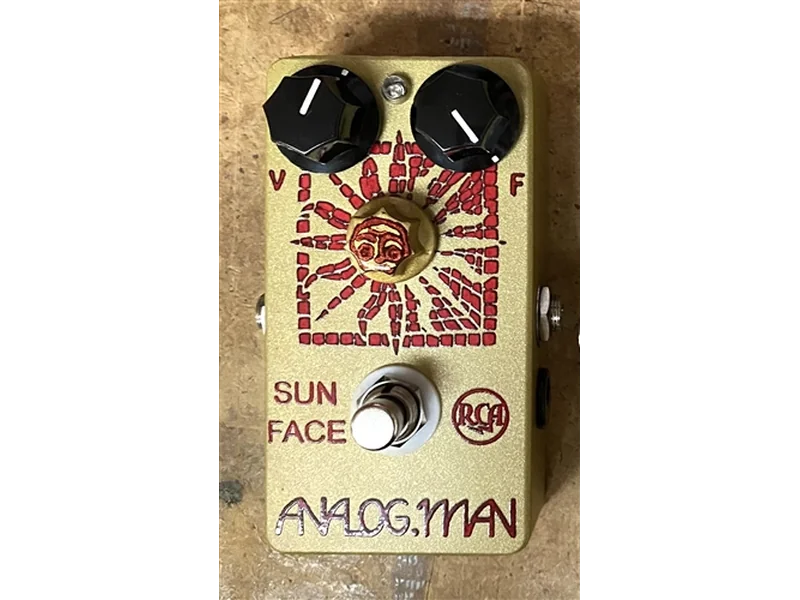
Sun Face
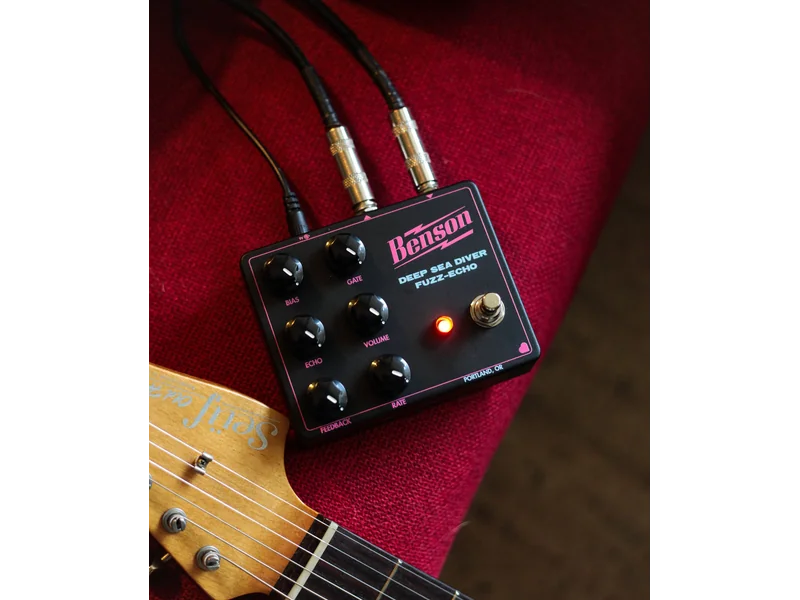
Deep Sea Diver
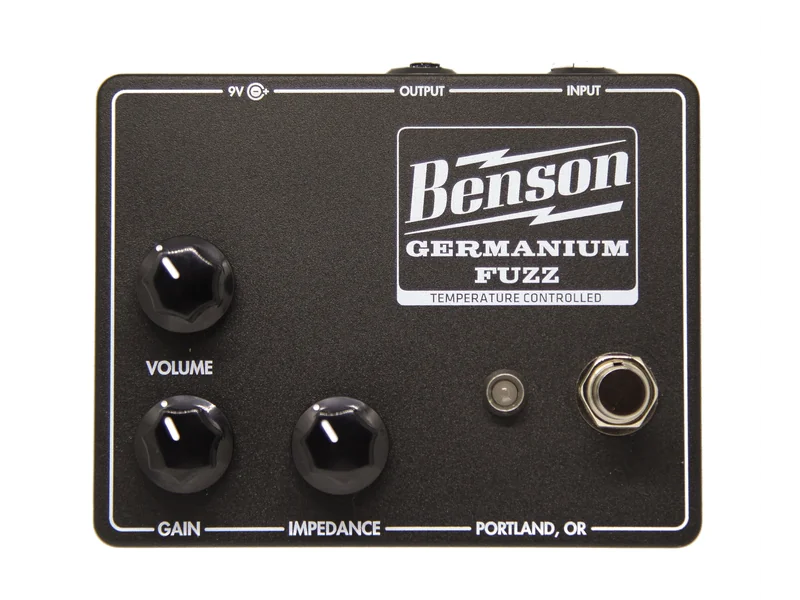
Germanium Fuzz
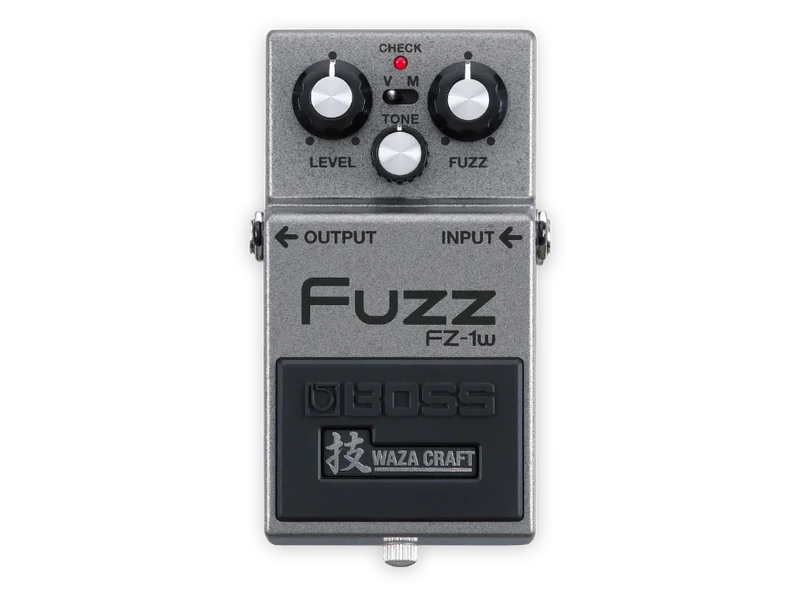
FZ-1W Fuzz Waza
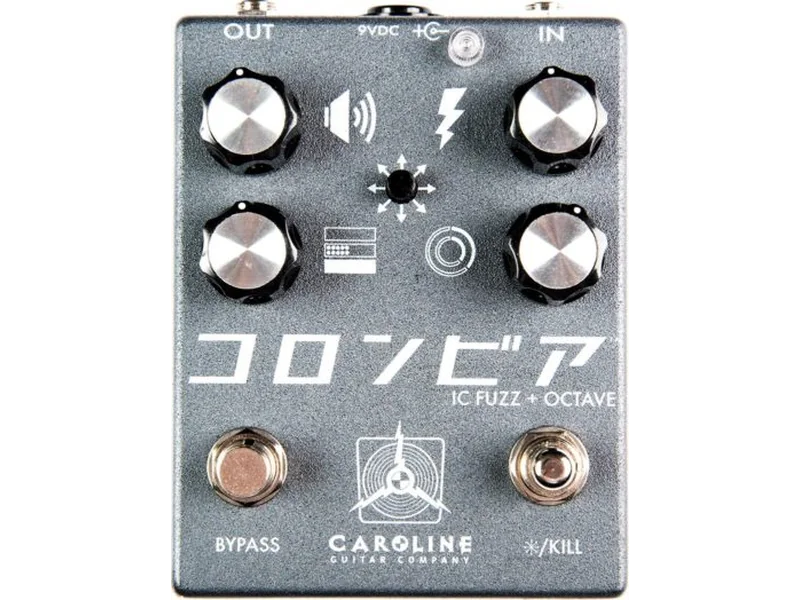
Shigeharu
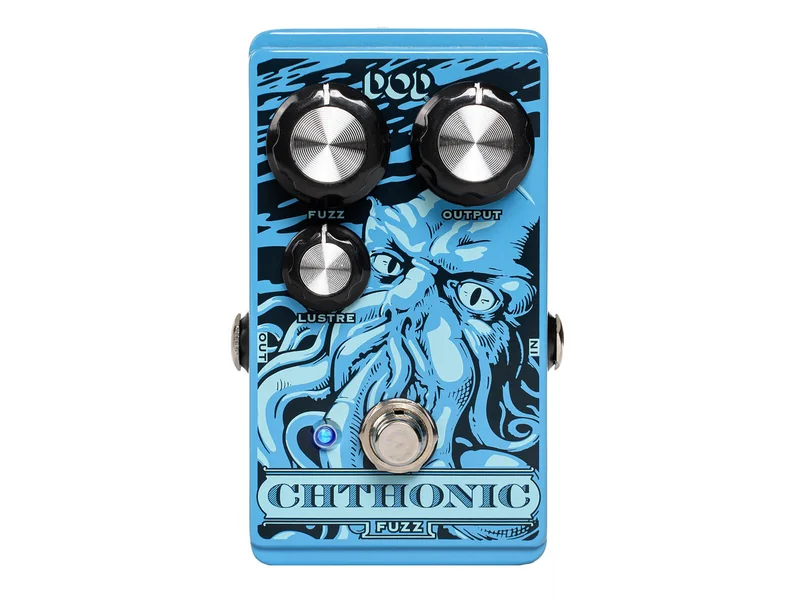
DOD Chthonic Fuzz
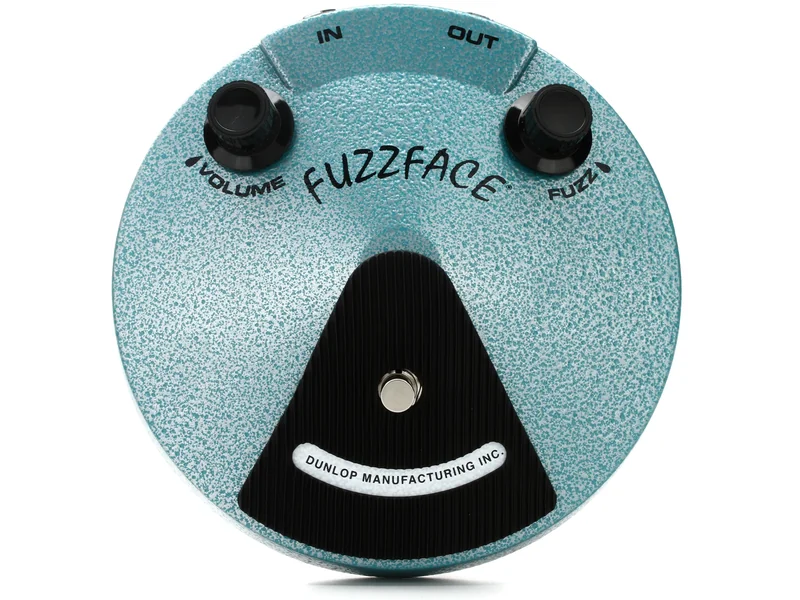
Fuzz Face JHF1 Jimi Hendrix
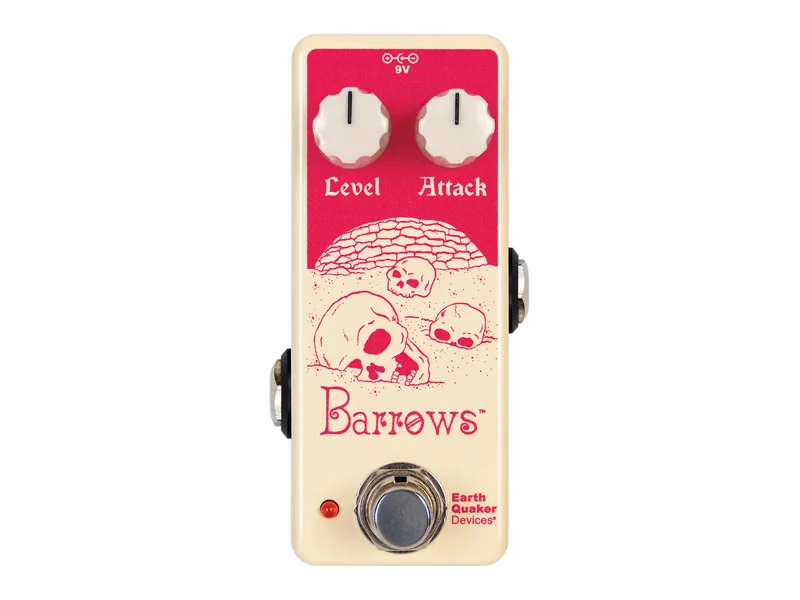
Barrows
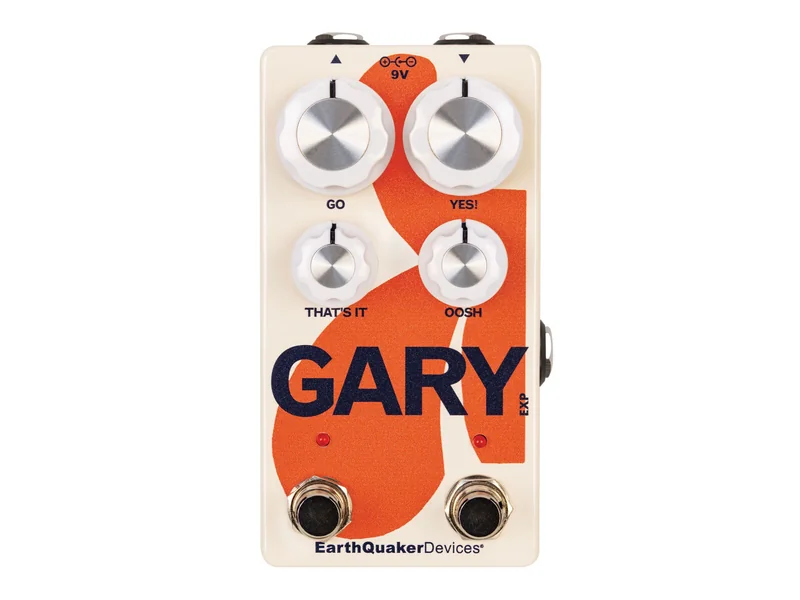
Gary
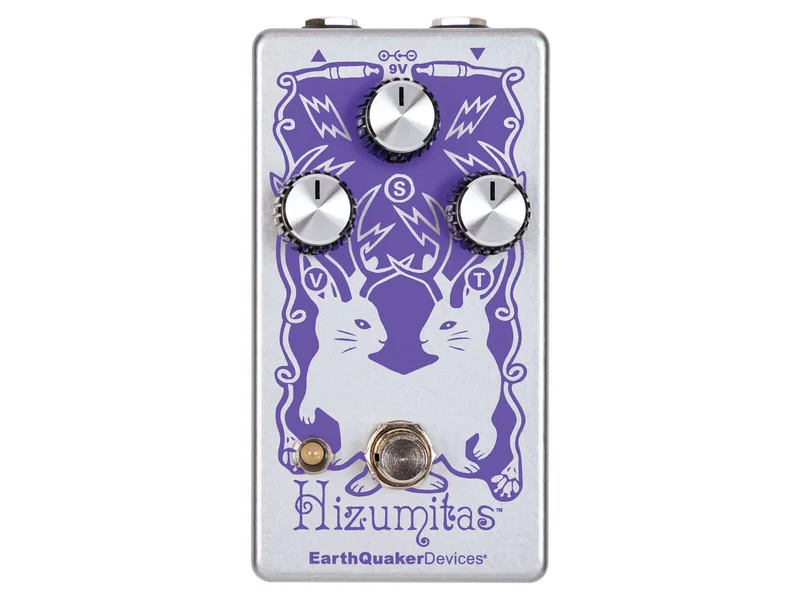
Hizumitas
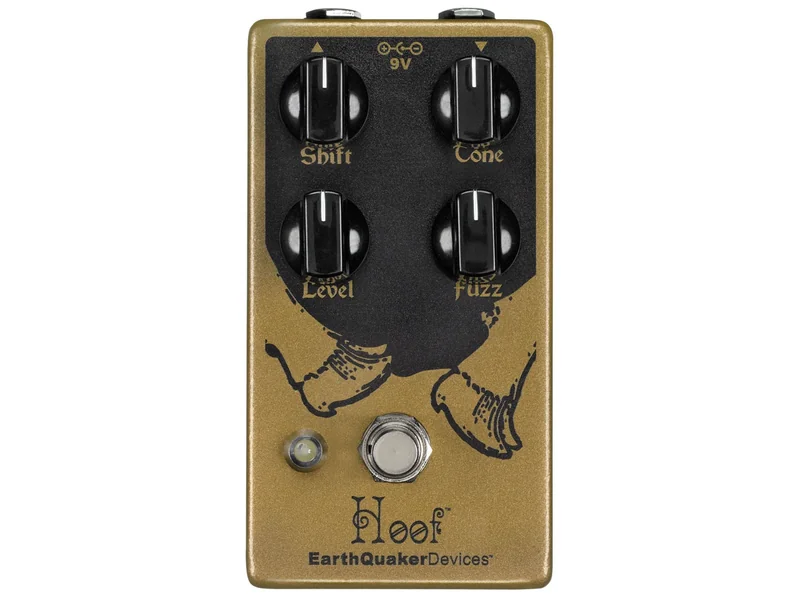
Hoof Fuzz
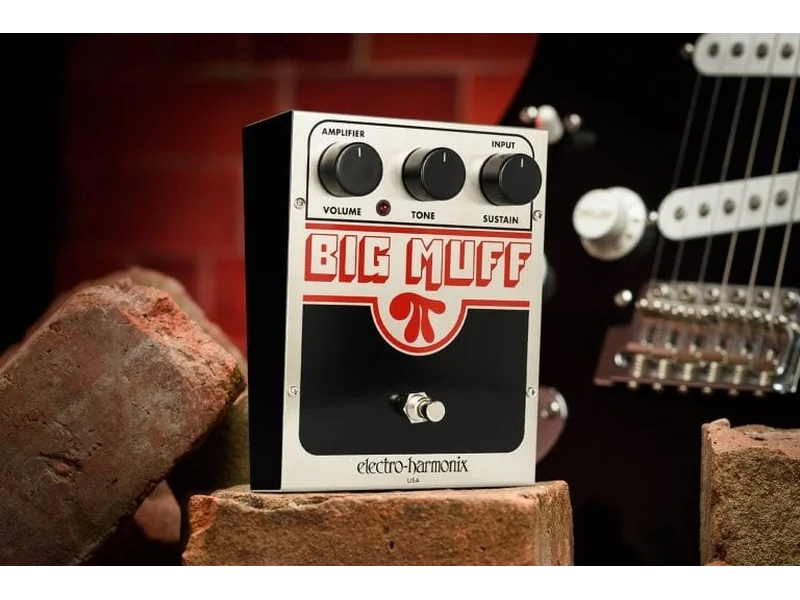
Big Muff Pi
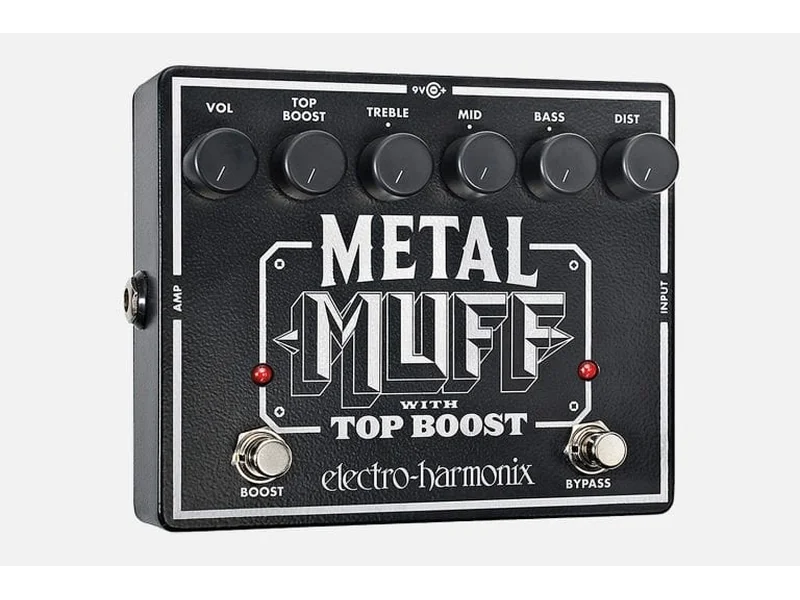
Metal Muff
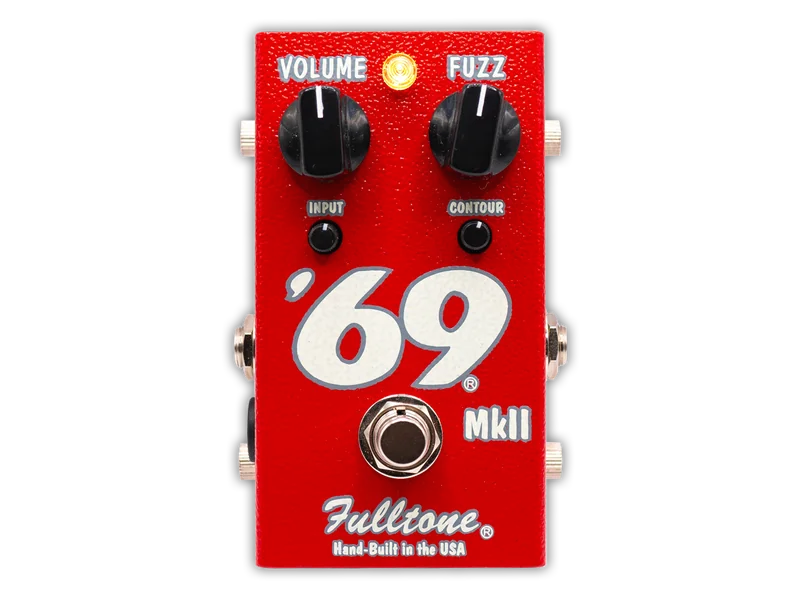
69 Fuzz
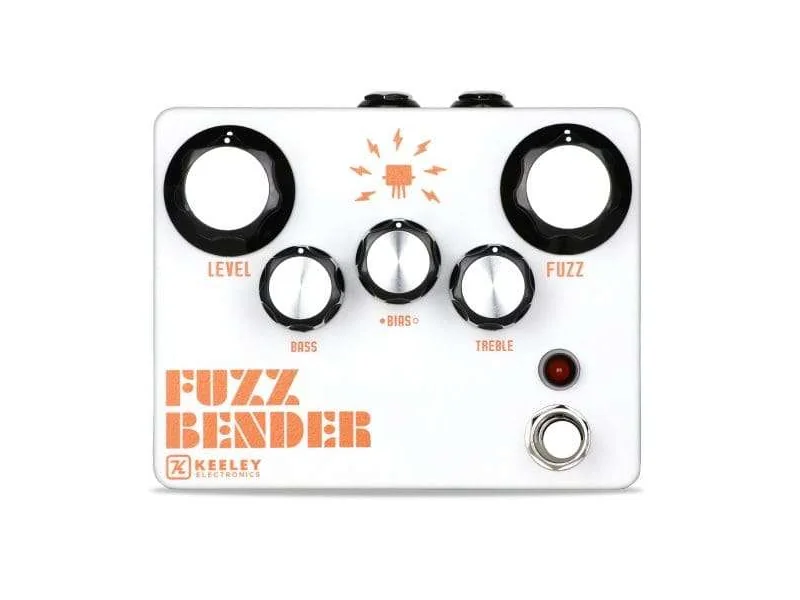
Fuzz Bender
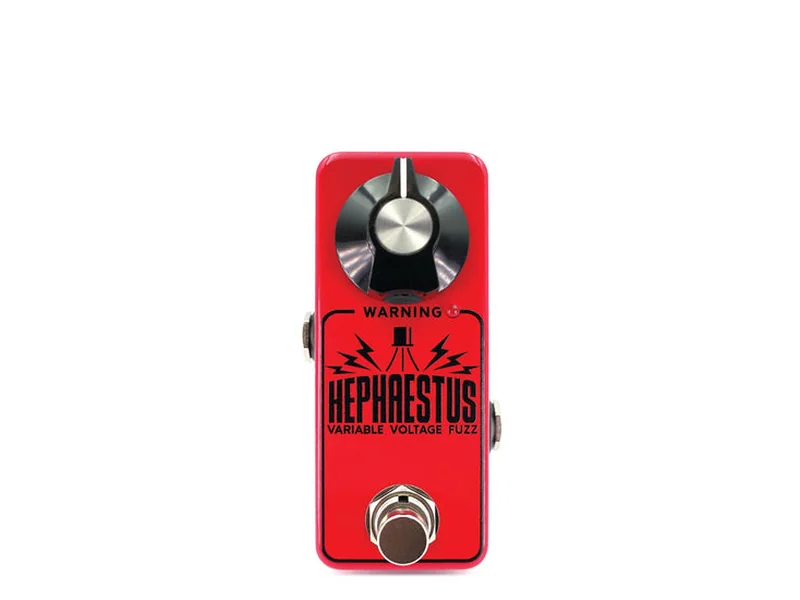
Hephaestus
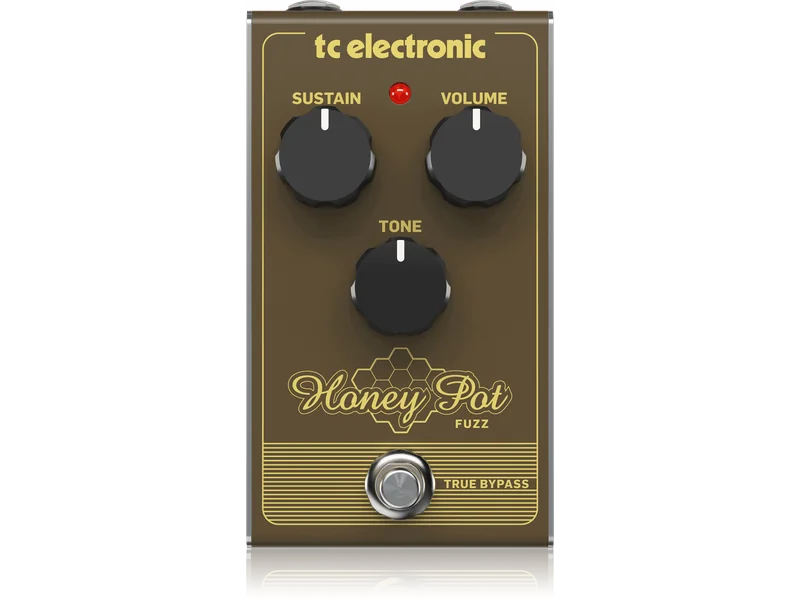
Honey Pot Fuzz
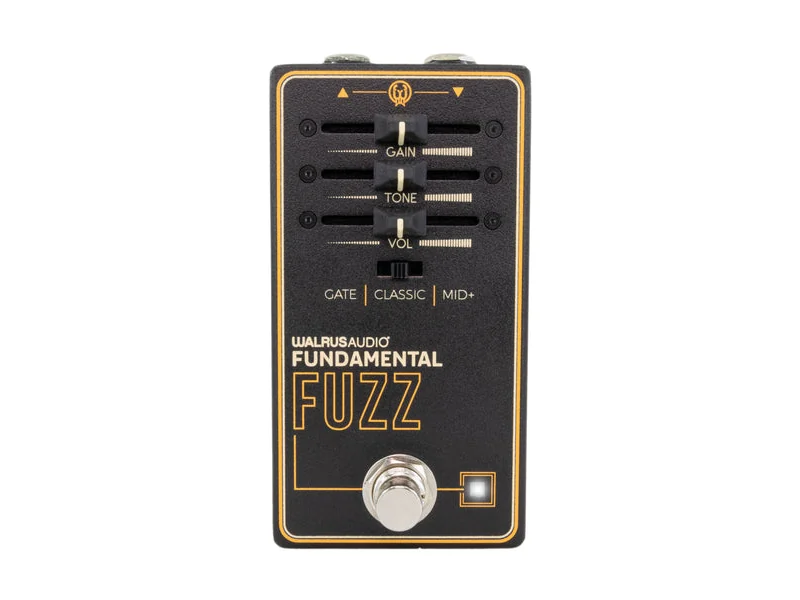
Fundamental Fuzz
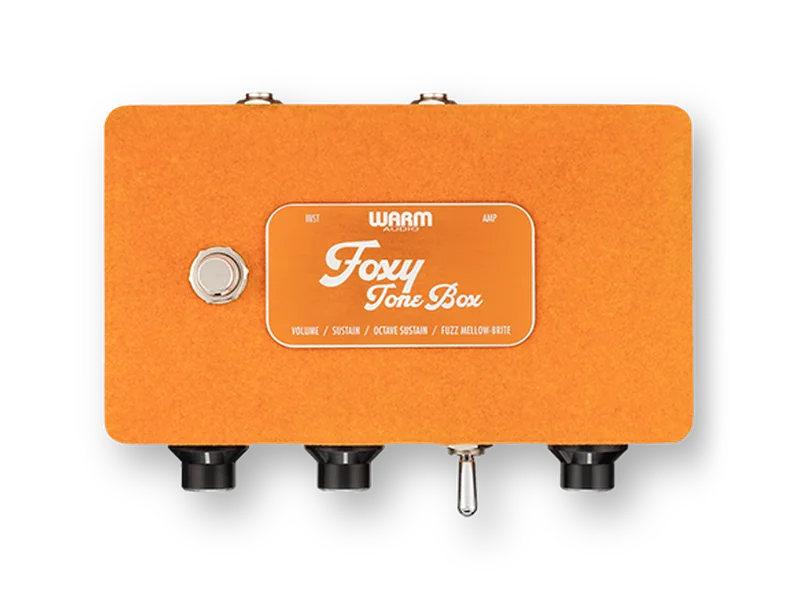
Foxy Tone Box
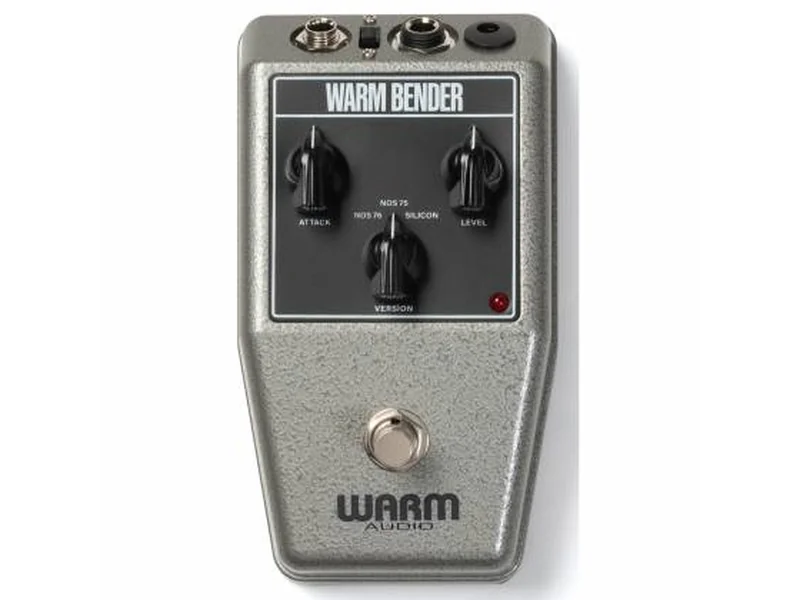
Warm Bender
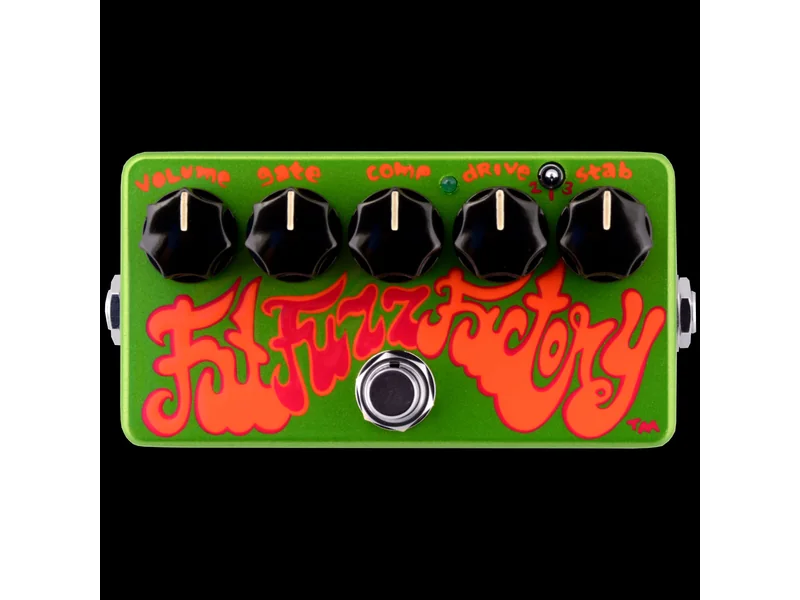
Fat Fuzz Factory Vexter
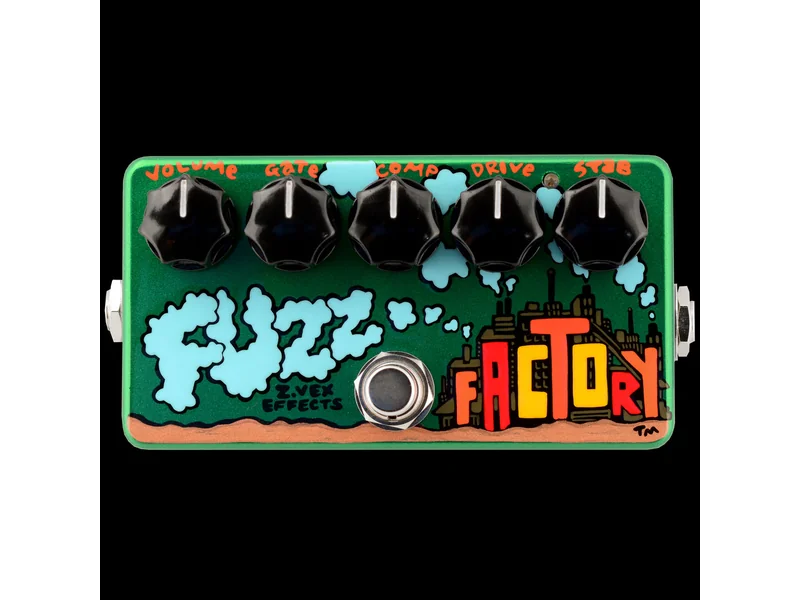
Fuzz Factory Vexter
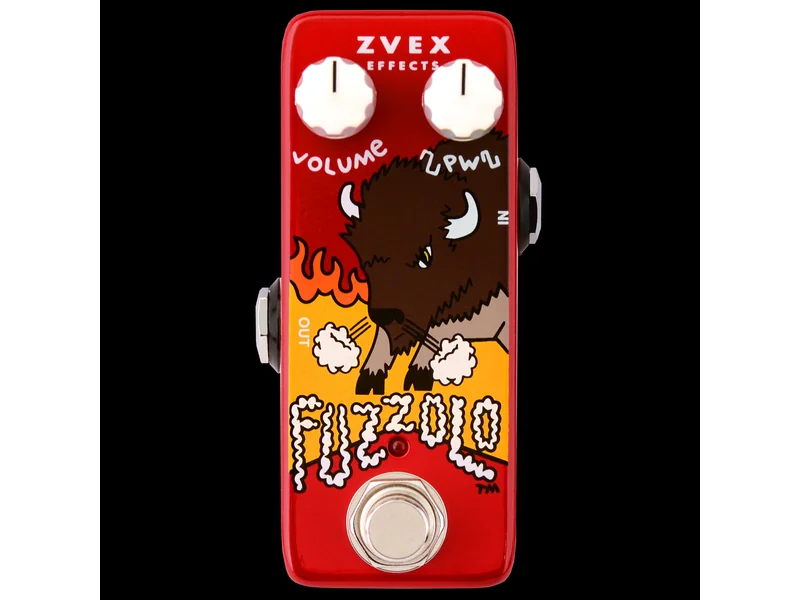
Fuzzolo
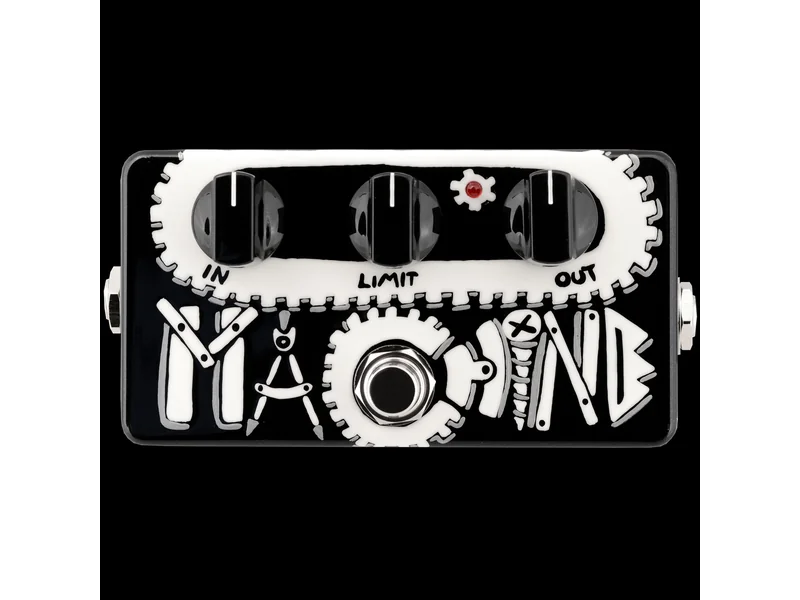
Machine
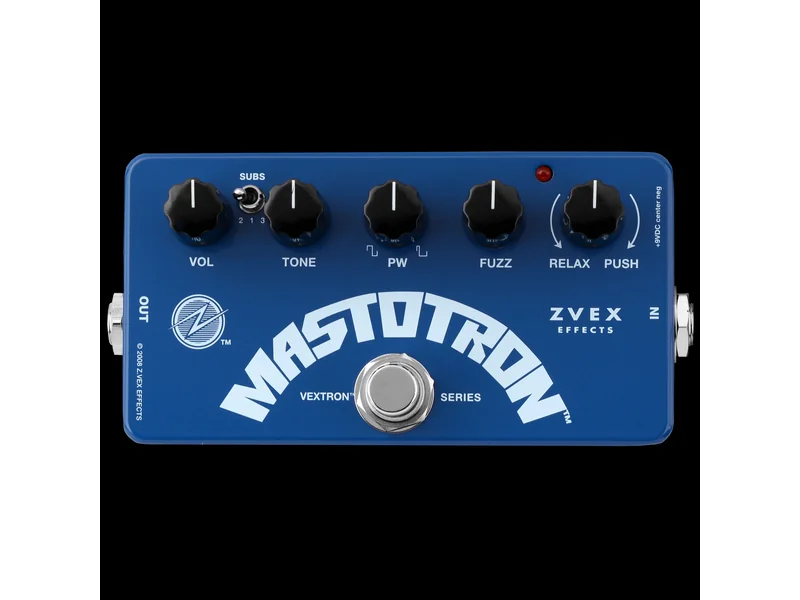
Mastotron