Recommended Pedals
The essential Octave pedals to know about
TC Electronic Sub 'N' Up Octaver
The most accurate octave tracking available. True bypass, analog dry-through, and the TonePrint feature for custom voicings. Works flawlessly with clean tones.
DigiTech Whammy 5
Expression pedal controls pitch in real-time. From subtle shifts to octave dive bombs, you control the pitch with your foot. The industry standard for expressive pitch control.
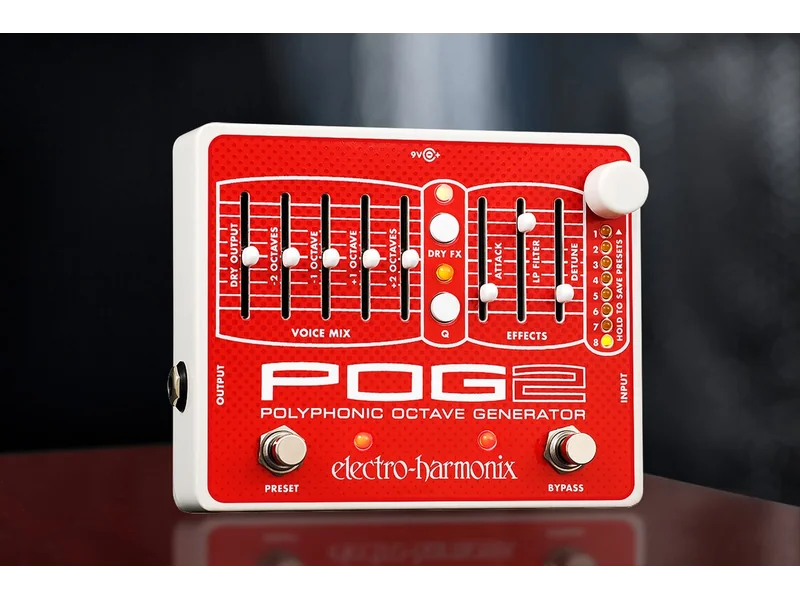
Electro-Harmonix POG2
Generate up to four independent octave voices plus your dry signal. Creates lush, organ-like textures. Flawless polyphonic tracking for chords.
DigiTech Bass Whammy
Specifically designed for bass frequencies. Sub-octave that actually sounds like bass. Works with distorted tones without becoming muddy.
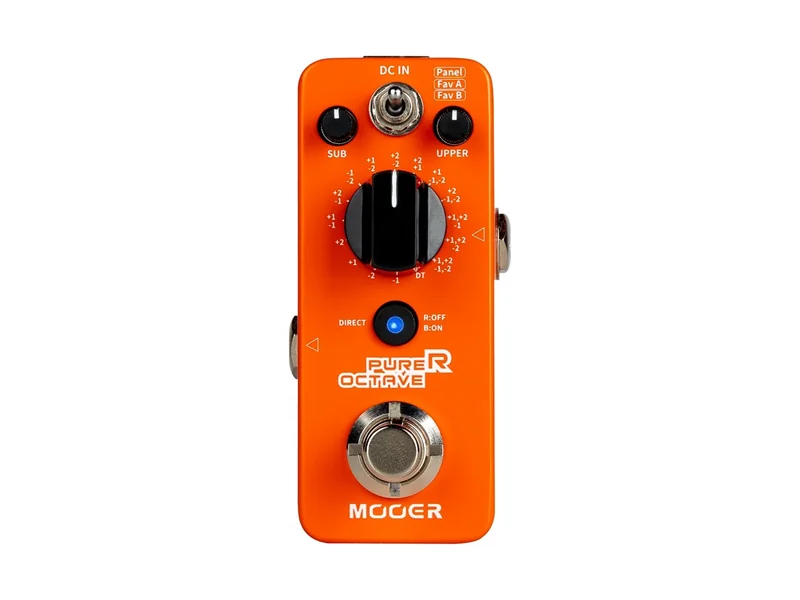
Mooer Pure Octave
Mini-sized octave with seven modes. Subtle octave up for presence, sub-octave for thickness. Affordable entry point to octave exploration.
Octave pedals transform your guitar by adding pitch-shifted copies of your playing at higher or lower octaves. A single note becomes multiple notes—an octave below adds weight and bass, an octave above adds brightness and presence, and combining both creates thick, rich textures that sound like a full band. Octaves are the secret weapon of professional guitarists: use them subtly for thickness, or dramatically for textures that have nothing to do with guitar. Understanding how octaves work—and which one fits your needs—opens entirely new sonic territories.
Understanding Octave Effects: The Foundation
An octave pedal takes your guitar signal and generates pitch-shifted copies at intervals of 12 semitones (one octave) above or below your original note. These shifted signals are mixed with your dry signal, creating richer, more complex tones.
How Octaves Work
The pitch-shifting algorithm analyzes your incoming signal, determines the fundamental frequency you're playing, and generates new signals at octave intervals. The quality of this analysis determines how accurately and quickly the octave responds to your playing.
Tracking refers to how accurately the pedal follows your pitch. Good tracking means the octave sounds like you're playing that note; poor tracking means the octave sounds disconnected, wrong, or laggy.
Latency is the delay between your playing and the octave response. Too much latency makes the octave feel disconnected from your playing.
Octave Up vs. Octave Down
Octave up adds brightness and presence. Think of it as adding shimmer and air to your tone. One octave up cuts through mixes and adds clarity. It's subtle but effective for adding presence to dark-sounding rigs.
Octave down adds weight and bass. Think of it as adding a bass player to your guitar. One octave down fills out the low end and makes your guitar sound bigger. Essential for standard-tuning players who want deeper low end.
Both together creates the thickest, richest sound. Combining octave up and octave down with your dry signal creates a three-voice texture—your original note plus two octave-shifted copies.
Types of Octave Pedals
Monophonic Octave
Tracks a single note at a time. The classic octave experience—play one note, get one octave-shifted note.
Best for: Single-note lines, bass replacement, lead work.
How it works: The pitch tracker follows your primary note. Fast, accurate, but can't handle chords.
Polyphonic Octave
Tracks multiple notes simultaneously. Play chords and get octave-shifted chords.
Best for: Chord voicings, organ-like textures, lush pads.
How it works: Multiple pitch trackers follow each note in a chord. More complex but handles harmony.
Example: Electro-Harmonix POG2 generates four independent octave voices from chords.
Hybrid Octave
Combines features of both—can track single notes with monophonic accuracy while offering polyphonic modes for chords.
Best for: Versatile players who want both precision and harmony.
Key Features Explained
Tracking Quality
The most important factor. Good tracking means the octave responds instantly and accurately to your playing.
What to look for: Fast, accurate response to your playing. No wrong notes. Works with your playing style.
Testing: Play fast single-note lines. Play with heavy distortion. If the octave stays accurate, tracking is good.
Dry Signal
Most octave pedals mix your dry (unprocessed) signal with the octave-shifted signal. This maintains your core guitar tone.
Dry signal path:
- Analog dry-through: Your dry signal never goes digital, maintaining pure tone. Preferred by purists.
- Digital dry: Your dry signal is digitized and mixed. Can introduce subtle latency.
Octave Range
Some pedals offer:
- Sub-octave (one octave down)
- Super-octave (one octave up)
- Multiple octaves (two octaves down/up)
- Chord mode (polyphonic)
Expression Control
Some octaves work with expression pedals for real-time pitch control.
Uses:
- Swell into octave
- Gradual pitch shift
- Whammy-style dives
Signal Chain Placement
Before Drives (Standard)
Most common placement—octave before your dirt pedals.
Why: Clean signal tracks better. Octave is part of your core tone. Works with any gain setting.
After Drives
Octave after your overdrives and distortions.
Why: Creates different textures. The saturation colors the octave. Can get muddy with heavy distortion.
At End of Chain
Octave receives your fully processed signal.
Why: Octave includes all your effects. Creates unified sound with your chain.
Creative Applications
Tone Thickening
Subtle octave (especially octave down) adds weight to thin-sounding rigs.
How: Add just enough octave down to be felt, not heard. Your tone gains body without obvious effect.
Bass Replacement
Octave down replaces bass guitar in some setups.
How: Strong octave down with low-pass filter creates bass-like tones. Works for live situations without a bass player.
Note: Won't replace a real bass in all situations. Best for solo performances or simple rigs.
Chord Enrichment
Polyphonic octaves turn guitar chords into lush, organ-like textures.
How: Voicing chords across multiple octaves creates rich harmonies. Works especially well with open voicings.
Texture Creation
Extreme octave settings create otherworldly textures.
How: Deep octave down + heavy reverb + long decay = ambient drones.
Lead Enhancement
Octave up makes leads cut through mixes.
How: Subtle octave up adds presence. Combined with drive, creates cutting lead tone.
Genre Applications
Rock and Metal
Octave down adds low-end weight for heavy riffs. Octave up adds presence for leads.
Technique: Add octave down to palm-muted chugs for extra impact. Use octave up on solos for cutting tone.
Blues and Jazz
Subtle octave adds thickness without obvious effect. Chord-mode octaves create lush jazz textures.
Technique: Light octave down on rhythm playing. Chord-mode octaves on clean passages.
Funk and R&B
Octave up adds brightness and presence. Works great for funky rhythm playing.
Technique: Quick octave flicks for accent. Sustained octave for fills.
Ambient and Experimental
Octaves become sound design tools. Layering, textures, drones.
Technique: Extreme settings, long decay, multiple octave layers.
Troubleshooting
Tracking Problems
Symptoms: Wrong notes, laggy response, pitch confusion.
Solutions:
- Ensure clean signal to octave
- Check pickup height
- Reduce gain stages before octave
- Verify firmware updates
Muddy Tone
Symptoms: Octave down sounds unclear, undefined.
Solutions:
- Add low-pass filter
- Reduce octave mix
- Place after some drive for clarity
- Use in mono, not stereo
Not Hearing the Effect
Symptoms: Octave seems quiet or absent.
Solutions:
- Check mix/blend control settings
- Ensure octave voices are enabled
- Verify signal flow
Top Octave Pedals
Best Overall: TC Electronic Sub 'N' Up Octaver
The Sub 'N' Up delivers professional-quality octave tracking in a compact pedal. True bypass, analog dry-through, and TonePrint capability for custom voicings. Works with clean tones better than anything in its class. The monophonic tracking is rock-solid.
Key specs:
- True bypass
- Analog dry-through
- TonePrint technology
- Multiple octave modes
Best Expression: DigiTech Whammy 5
The Whammy remains the standard for expression-controlled pitch shifting. The pedal controls pitch in real-time—from subtle shifts to octave dive bombs. Incredibly expressive. The chord mode offers polyphonic tracking as well.
Key specs:
- Expression pedal control
- Multiple pitch shift modes
- Chord mode for polyphony
- Legendary reliability
Best Polyphonic: Electro-Harmonix POG2
The POG2 is the benchmark for polyphonic octave generation. Generate -2, -1, +1, +2 octave voices independently. Blend them to create organ-like textures. Flawless tracking handles chords beautifully. The attack control creates lush pad swells.
Key specs:
- Four independent octave voices
- Polyphonic tracking
- Attack control for pads
- Industry standard
Best for Bass: DigiTech Bass Whammy
Specifically designed for bass frequencies. The sub-octave actually sounds like bass—not pitch-shifted guitar. Works with both clean and distorted tones. The standard for bass octave effects.
Key specs:
- Bass-optimized tracking
- Works with distortion
- Sub-octave + harmony
Best Budget: Mooer Pure Octave
Mini-sized octave with seven modes. Affordable entry point to octave exploration. Simple controls, decent tracking for the price. Great for players wanting to try octaves without big investment.
Key specs:
- Seven octave modes
- Mini size
- Budget price
The Bottom Line
Octave pedals are versatile tools that do far more than novelty effects. They thicken thin tones, replace bass, create lush textures, and add expressiveness to your playing. The TC Electronic Sub 'N' Up delivers the best overall tracking and tone. The DigiTech Whammy offers unmatched expression control. The Electro-Harmonix POG2 creates polyphonic textures impossible elsewhere. Choose based on your primary need: tracking accuracy, expression control, or polyphonic richness.
Understanding Pitch Tracking Technology
The magic (and frustration) of octave pedals lies in their pitch tracking technology. Understanding how this works helps you choose the right pedal and get the best results.
How Pitch Tracking Works
Pitch tracking analyzes your guitar's audio signal thousands of times per second to determine what note you're playing. The algorithm identifies the fundamental frequency (the main pitch) and any overtones, then generates a corresponding pitch-shifted output.
The challenge: Guitar signals are complex—overtones, harmonics, and pickup characteristics all affect tracking accuracy. Good tracking means the octave sounds like you're playing that note; poor tracking means wrong notes, lag, or artifacts.
Factors Affecting Tracking
Signal clarity: Clean signals track better than distorted ones. The pitch tracker can easily identify your fundamental note without interference from harmonic distortion.
Pickup position: Bridge pickups often track better (clearer, more fundamental). Neck pickups include more harmonics which can confuse trackers.
Playing technique: Clear picking attacks track better than legato or fingerstyle. Fast passages challenge even good trackers.
Note complexity: Single notes track better than chords. Octaves track better than complex harmonies.
Monophonic vs. Polyphonic Tracking
Monophonic tracking: Follows your primary note. Fast, accurate, but only handles one note at a time. Great for bass replacement and single-note lines.
Polyphonic tracking: Follows multiple notes simultaneously. Handles chords. More complex technology, slightly more latency.
The Latency Question
Latency is the delay between playing a note and hearing the octave. Even small amounts can make octave pedals feel disconnected.
Acceptable latency: Under 10ms feels natural
Noticeable latency: 10-20ms
Problematic latency: Over 20ms
Digital octaves have improved dramatically. Most modern pedals offer acceptable latency.
Advanced Techniques
The Sub-Octave Foundation
Using octave down as a foundation for your tone:
Method: Add subtle octave down to your dry signal. Not obvious—felt more than heard. Your guitar gains weight without obvious effect.
Best for: Thin-sounding guitars, standard tuning wanting more low end, solo performances without bass.
Settings: Low mix (10-30%), subtle depth. The goal is weight, not obvious octave.
The Octave-Up Presence
Using octave up for presence and clarity:
Method: Add subtle octave up. Your guitar cuts through mixes better.
Best for: Dense mixes, dark-sounding amps, lead playing.
Settings: Low mix, moderate depth. Cutting, not obvious.
Layering Both Octaves
Combining up and down for maximum thickness:
Method: Mix dry + octave up + octave down. Three-voice texture.
Best for: Epic builds, ambient textures, filling out the sound.
Settings: Balance to taste. Can get busy—use judiciously.
Octave Stomping
Using octave as an accent:
Method: Add octave briefly for emphasis, then turn off. A punch, not a constant effect.
Best for: Accenting specific notes or phrases.
Technique: Stomp on for single notes or phrases, then off. Rhythmic.
The Science of Octave Intervals
Why Octaves Sound Good
An octave is the most consonant interval after the unison. Two notes an octave apart blend perfectly because they share the same fundamental relationship.
In physics: The higher note's frequency is exactly double the lower note's. Perfect harmonic relationship.
In music: Octaves are considered "the same note" in different registers. Playing an octave adds richness without creating dissonance.
Beyond Octaves
While octaves are the most common, other intervals create different effects:
Fifth above: Adds power and completeness
Third above: Creates chord-like fullness
Octave + fifth: Massive, chord-like texture
Many advanced octaves offer these intervals.
Common Questions About Octaves
Do Octaves Work With Distortion?
Yes, but with caveats. Heavy distortion complicates pitch tracking—the tracker sees multiple harmonics that can confuse it.
Tips for distortion:
- Place octave after some drive, not before all of it
- Reduce gain if tracking suffers
- Some octaves handle distortion better than others
- Accept some tracking degradation with heavy saturation
Can I Use Octave on Bass?
Yes, but use bass-specific octaves. Guitar octaves often don't track bass frequencies well.
Recommended: DigiTech Bass Whammy—designed specifically for bass.
Why Does My Octave Sound Wrong?
Common causes:
- Too much gain before the octave
- Playing chords (on monophonic octave)
- Poor tracking algorithm
- Incorrect settings
Can Octaves Replace a Bass Player?
Partially. A good octave down can replace bass in simple contexts—solo gigs, home recording, simple rigs.
Limitations: Won't have the full frequency content of bass. Works best with guitar in higher register.
Octave Maintenance and Care
Power Requirements
Most octaves need 9V DC, but check current requirements:
- Simple octaves: 20-50mA
- Advanced octaves: 100-200mA
Updating Firmware
Some modern octaves (like TC Electronic) have updateable firmware. Check periodically for improvements.
Physical Care
- Keep footswitches clean
- Avoid extreme temperatures
- Use included power supply
Building an Octave Rig
Basic Rig: Octave as Accent
Simple setup for occasional octave use:
- Guitar → Octave → Amp
- Use sparingly for emphasis
Advanced Rig: Always-On Octave
For players who want constant octave thickening:
- Guitar → Octave (subtle) → Overdrive → Amp
- Subtle octave down as foundation
Performance Rig: Expression Control
For expressive octave manipulation:
- Guitar → Expression-controlled octave → Amp
- Foot-controlled pitch for real-time manipulation
Stereo Rig: Width Enhancement
For stereo width:
- Guitar → Octave → Stereo outputs → Two amps
- Octave up to one side, dry to another
The Bottom Line on Octave Pedals
Octave pedals are misunderstood—they're not just novelty effects. They're serious tone-shaping tools used by professionals across every genre. The right octave thickens thin tones, adds weight without bass guitar, creates lush textures, and adds expressiveness impossible otherwise.
The TC Electronic Sub 'N' Up offers the best tracking and tone. The DigiTech Whammy provides unmatched expression control. The Electro-Harmonix POG2 creates polyphonic textures impossible elsewhere. Choose based on your primary need: tracking accuracy, expression, or polyphonic richness.
Whatever you choose, remember: the best octave use is often subtle. The goal is enhancing your tone, not announcing an effect. Use it wisely, and your guitar will sound bigger, fuller, and more complete than ever before.
Live Octave Price Index
UK & European retailers • Updated daily
| Pedal | Style | Country | Price |
|---|---|---|---|
| Electro-Harmonix POG2 | Polyphonic | USA | €315 -17%! |
| Mooer Purer Octave | Polyphonic | China | €58 |
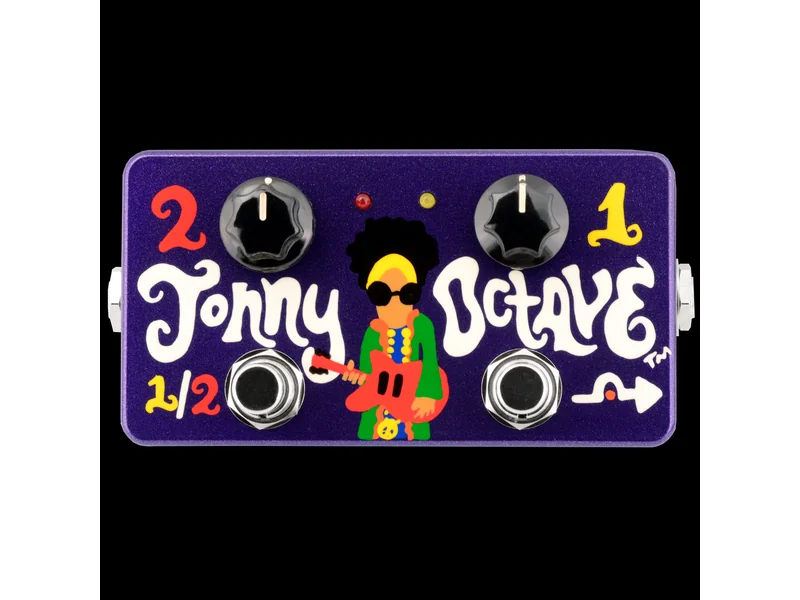
| Zvex Jonny Octave | Monophonic | USA | — |
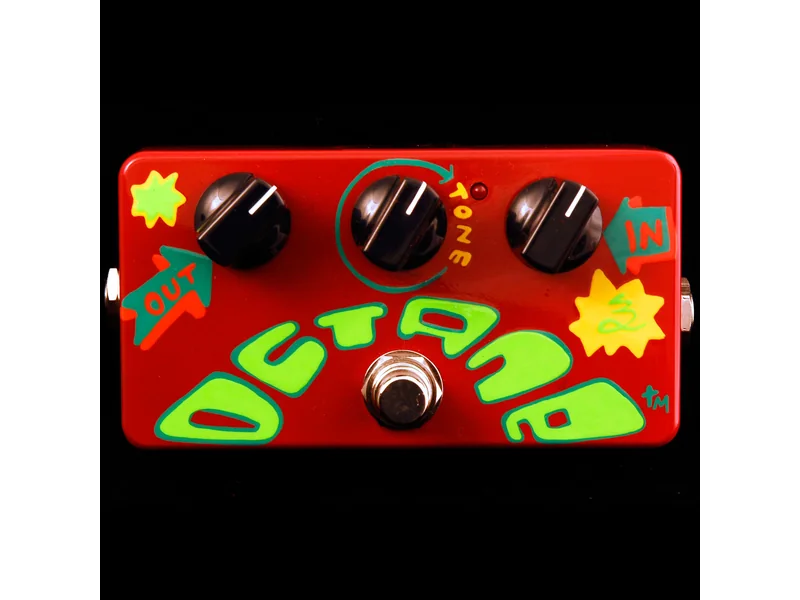
| Zvex Octane 3 | Monophonic | USA | — |