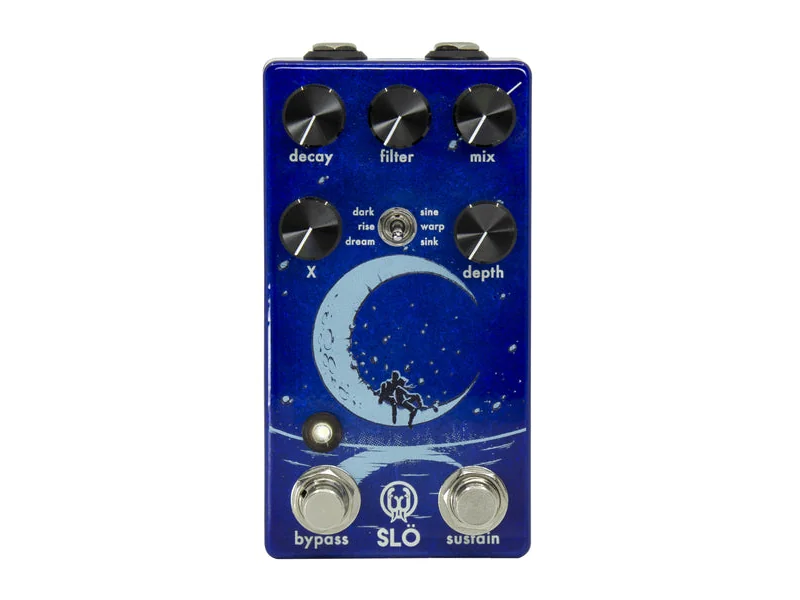
Recommended Pedals
The essential Reverb pedals to know about
Strymon Bigsky MX
Industry standard for touring. Multiple algorithms, expression control, stereo I/O, preset recall. The most flexible reverb available.
Boss RV-6 Reverb
Reliable, straightforward reverb with eight algorithms. Intermediate complexity. Boss build quality that lasts decades.
Meris Mercury7
Experimental algorithms that blur reverb and delay. Shimmer, granular, spectral. Maximum creative potential.
Reverb simulates the sound of physical space. It's how concert halls sound different from bathrooms; how a recording made in a dead studio can feel large and present. Reverb adds depth, dimension, and space to your tone. Unlike delay (which creates distinct repeats), reverb creates a continuous wash of reflections that gives the impression of playing in a specific room.
What Is Reverb? The Physics of Room Simulation
Reverb is the natural byproduct of sound bouncing off surfaces. When you play guitar in a room:
- Direct sound: The initial note travels straight from speaker to ear
- Early reflections: Sound bounces off nearby surfaces (walls, furniture) and arrives slightly delayed
- Late reflections: Sound bounces multiple times, creating a continuous wash of delayed, degraded sound
Reverb pedals simulate this physical process electronically. The combination of early and late reflections creates the sense of space.
Reverb Algorithms: The Different Room Types
Modern reverb pedals offer multiple algorithms, each simulating a different physical space:
Spring Reverb
The original reverb, using physical springs in the circuit. Sound vibrates springs, which ring naturally.
Character: Boing-y, obviously artificial, iconic 1960s/1970s surf rock tone. Spring reverb is distinctly colored—it's part of the tone, not transparent.
Real-world equivalent: The reverb tank in vintage tube amps (Fender, Marshall, Vox).
Best for: Surf rock, psychedelic rock, anyone wanting that obvious, vintage character.
Pros: Distinctive character, "character-full" tone, low cost (physical springs are cheap).
Cons: Noisy (springs rattle), physically large, temperature-sensitive, obvious effect character.
Plate Reverb
Sound bounces off a large suspended metal plate, creating natural reflections.
Character: Tight, focused, very natural. Plate reverb is considered the gold standard for studio vocals and instruments because it sounds effortless.
Real-world equivalent: Dedicated plate reverb units in pro studios (EMT 250, etc.)
Best for: Vocals, clean tones, any style where you want natural-sounding space without obvious effect character.
Pros: Natural, transparent, professional-sounding, no noise.
Cons: Not as distinctive as spring, less obviously "reverby" character.
Hall Reverb
Simulates a concert hall with multiple reflections creating long, lush reverb tails.
Character: Spacious, grand, orchestral. Hall reverb makes a single guitar sound like it's in a large venue.
Best for: Led Zeppelin tone, atmospheric passages, creating grandeur from minimal notes.
Pros: Spacious, obviously reverb, inspiring tone, perfect for creating atmosphere.
Cons: Can be too obvious in dense mixes, long decay can muddy rhythm playing.
Room Reverb
Simulates a small-to-medium room (living room, bedroom, small recording studio).
Character: Subtle, natural, intimate. Room reverb adds dimension without being obvious.
Best for: Always-on tone, clean tone enhancement, any style where space matters but subtlety is needed.
Pros: Transparent, subtle, natural-sounding, works in any mix.
Cons: Less distinctive than spring or hall, requires careful blending to be noticeable.
Reverse Reverb
The reverb tail builds from silence instead of decaying to silence—the effect plays backward.
Character: Eerie, experimental, not natural-sounding. Reverse reverb makes notes swell instead of fade.
Best for: Experimental music, psychedelia, texture creation, effect-forward tone design.
Pros: Distinctive, inspiring for creative work, obvious effect character.
Cons: Obviously artificial, not useful for professional/subtle tone work.
Shimmer Reverb
Adds octave-up or other pitch shifts to the reverb tail, creating ethereal, ambient textures.
Character: Lush, orchestral, almost pad-like. Shimmer reverb makes a single note sound like a string section.
Best for: Ambient music, shoegaze, post-rock, creating atmospheric density from minimal input.
Pros: Inspiring, lush, obviously special, creates unique textures.
Cons: Can be muddy if overused, overly obvious effect character, requires careful gain staging.
Granular Reverb
Breaks the signal into tiny grains and scatters them in time, creating particle-like, granular decay.
Character: Experimental, textural, not natural. Granular reverb creates effects that sound like reverb made of individual particles.
Best for: Experimental music, electronic music, texture creation, completely non-traditional tone work.
Pros: Unique, inspiring for creative players, no competition from other effects.
Cons: Obviously artificial, difficult to use musically, steep learning curve.
Reverb Parameters: Understanding the Controls
Decay Time (Tail Length)
How long the reverb sustains before fading to silence.
Short decay (1-2 seconds): Subtle, natural, appropriate for rhythm playing. Doesn't obscure the beat.
Medium decay (2-4 seconds): Standard for most applications. Spacious enough to be noticeable, short enough to stay out of the way.
Long decay (5+ seconds): Lush, ambient, potentially muddy. Works for lead lines, not rhythm.
Wet/Dry Balance
Like delay, reverb offers a blend between your original signal and the reverb.
Low wet (10-20%): Barely noticeable, subtle space addition. "Always on" territory.
Medium wet (30-50%): Obviously reverb, obviously intentional, but not extreme.
High wet (70%+): Lush, atmospheric, becomes the primary tone rather than enhancement.
Pre-Delay
The time before the reverb actually starts. Pre-delay lets your original note be heard clearly before the reverb tail.
No pre-delay (0ms): Reverb starts immediately with the note. Can make note attack unclear.
Short pre-delay (20-50ms): Your note is clear, reverb starts immediately after. Works for most applications.
Long pre-delay (100ms+): Your note has space to breathe before reverb ambience arrives. Often used in professional mixing.
Diffusion
How "smooth" or "rough" the reverb tail is.
High diffusion: Smooth, dense reflections. More realistic, more obviously space.
Low diffusion: Sparse, individual reflections. Less natural, more obviously artificial.
Damping
Simulates how high frequencies are absorbed by room materials.
High damping: Reverb loses treble quickly, sounds dark and warm. Realistic for rooms with soft materials.
Low damping: Reverb stays bright and metallic. Less natural but more obviously effect-like.
The Trails Debate: Does Reverb Continue When Off?
Trails mode ON: When you switch reverb off, the reverb tail continues, fading naturally. Like a room's acoustics lingering after sound stops.
Trails mode OFF: When you switch reverb off, reverb cuts to silence immediately.
Which Is Better?
Trails mode sounds more natural but can blur between sections of a song. For example, a reverb tail from a lead section bleeding into a clean section sounds unprofessional.
No trails mode sounds abrupt but ensures clean transitions between sections.
Pro approach: Use trails mode for aesthetic purposes (creating ambient washes), disable for rhythm playing (keeping sections clean).
Reverb in the Signal Chain: Always at the End
Reverb should always be the last effect in your signal chain (except sometimes delay if delay is before reverb).
Why? Reverb adds space to everything. If reverb comes before distortion, the distortion processes the reverb, creating strange tonal artifacts.
Optimal Order
- Guitar → Tuner
- Boost/Compressor
- Overdrive/Distortion
- Modulation (Chorus, Flanger)
- Delay
- REVERB GOES HERE
Exception: Reverb Before Delay
Some players prefer delay before reverb (reversed from above) because:
- Delay repeats are clear and not reverb-washed
- Reverb adds space to the delay trails
Both orders work; it's personal preference.
Reverb and Gain: The Dynamic Relationship
Reverb interacts with your tone's overall gain structure:
Clean Tone + Reverb
Works beautifully. Reverb adds dimension without obscuring note clarity.
Distortion + Reverb
Distortion is already "loud" and complex. Add reverb carefully. Excessive reverb on high-gain tone creates mud.
Pro approach: Use short-decay room reverb on distortion. Spring or hall reverb will muddy the tone.
Compression + Reverb
Compression evens out dynamics. Reverb adds space. Together they create smooth, sustaining tone.
Pro combination: Compressor → Distortion → Short Reverb. Results in tight, controlled sustain.
The Reverb + Delay Combination: Creating Depth
The combination of subtle delay + reverb is arguably the most important texture in modern music.
Setup 1: Delay Before Reverb
Delay repeats are clean and defined. Reverb adds space to the repeats and everything else.
Result: Tight, defined repeats sitting in spacious ambience.
Best for: Most professional applications.
Setup 2: Reverb Before Delay
Reverb adds space to everything. Delay repeats are reverb-washed, creating swirling textures.
Result: Smooth, ambient delay trails.
Best for: Ambient, shoegaze, experimental music.
Reverb Modulation: Adding Movement
Some reverb pedals add modulation (chorus-like effects) to the reverb tail.
Effect: The reverb seems to move and swell, creating dynamic texture that static reverb can't match.
Best for: Ambient music, experimental tone work, creating lush, moving textures.
Famous Reverb Tones: What Made Them Sound That Way
Jimi Hendrix - Fender Spring Reverb
Heavy reverb on distortion, creating that wash of space over aggressive tone. The obvious, boing-y spring reverb became part of his signature sound.
Lesson: Obvious reverb can become part of your identity.
Johnny Cash - Slap-Back Reverb + Tape Echo
Vinyl-era recording technique: close-miked vocal with tape slapback reverb. Creates that classic country intimacy.
Lesson: Subtle, pre-delay-heavy reverb can make a note feel larger without obviously "reverbed."
U2 (The Edge) - Hall Reverb Drenched
Large, spacious hall reverb on mostly clean tone. Every note swims in space, creating a signature atmospheric texture.
Lesson: Generous reverb on simple playing creates grandeur.
2026 Reverb Landscape
Strymon Bigsky Remains Standard
The industry standard for touring musicians. Multiple algorithms, expression control, stereo processing. Nearly no competition.
Budget Options Are Better Than Ever
Electro-Harmonix Oceans 11, Boss RV-6 offer professional-quality reverbs at reasonable prices.
Digital Modeling Dominates
Modeling platforms (Fractal, Kemper, Line 6) offer reverb algorithms that match or exceed hardware units.
Algorithmic Reverbs Continue to Improve
Newer designs offer granular, spectral, and experimental algorithms that were previously only possible in software.
Common Reverb Mistakes
Mistake 1: Too Much Wet Signal
More reverb sounds bigger, but creates mud. Most professionals use 20-40% wet reverb.
Mistake 2: Long Decay on Rhythm Playing
Long reverb tails muddy the beat. Use short decay (1-2 seconds) for rhythm, save long decay for leads.
Mistake 3: Reverb Before Distortion
Distortion will process the reverb, creating strange artifacts. Always put reverb after distortion.
Mistake 4: Same Reverb Settings for Every Song
Different songs need different reverb. Lead lines might need hall reverb; rhythm sections need room reverb.
Mistake 5: Not Using Pre-Delay
Pre-delay lets your note be heard clearly before reverb begins. Most professional settings include 30-100ms pre-delay.
Mistake 6: Ignoring Decay Time
Decay time affects musicality. Longer decay (5+ seconds) doesn't mean better tone—it often means muddy tone.
Troubleshooting Reverb Issues
Problem: Reverb Sounds Muddy
Solution: Lower wet level. Reduce decay time. Use room reverb instead of hall. Check if you have other effects (delay, compression) adding to the mud.
Problem: Reverb Is Barely Noticeable
Solution: Increase wet level. Increase decay time. Check if your guitar tone is too aggressive (distortion masks reverb).
Problem: Reverb Cuts Off Abruptly
Solution: Enable trails mode. Or set decay longer. Or verify reverb isn't set to "off."
Problem: Reverb Sounds Fake/Artificial
Solution: This might be intentional (if using spring reverb). Try room or plate algorithm instead. Increase pre-delay.
Problem: Reverb Doesn't Mix Well with Other Effects
Solution: Reverb should be last in chain. Check your signal chain order. Consider putting reverb after delay.
The Reverb Philosophy
Reverb is often called the "most forgiving" effect because it works in almost any musical context. A little reverb makes any tone sound more professional, spacious, and present.
The magic is in restraint. The best-sounding reverbs are often the ones you barely notice—the ones that add dimension without obviously saying "effect." Start subtle and increase until you find the sweet spot for your music.
Reverb transforms a bedroom into a concert hall, a garage into a professional studio, a single note into an orchestral swell. Master it and you've unlocked the secret to making small gear sound large.
Live Reverb Price Index
UK & European retailers • Updated daily
Browse All Reverb Pedals
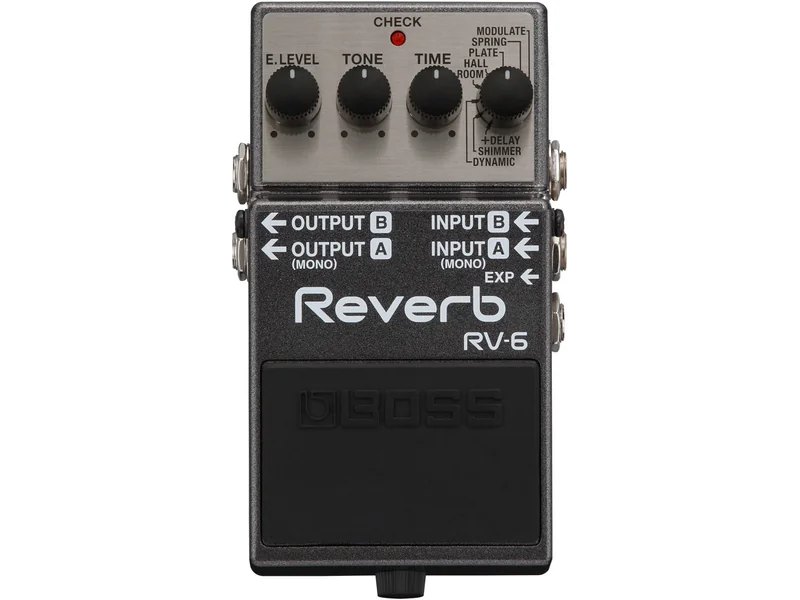
RV-6 Digital Reverb
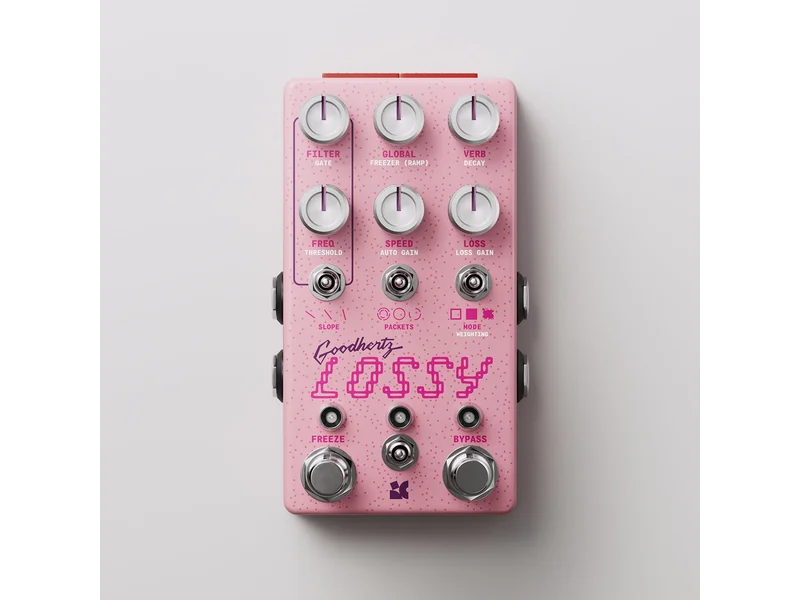
Lossy
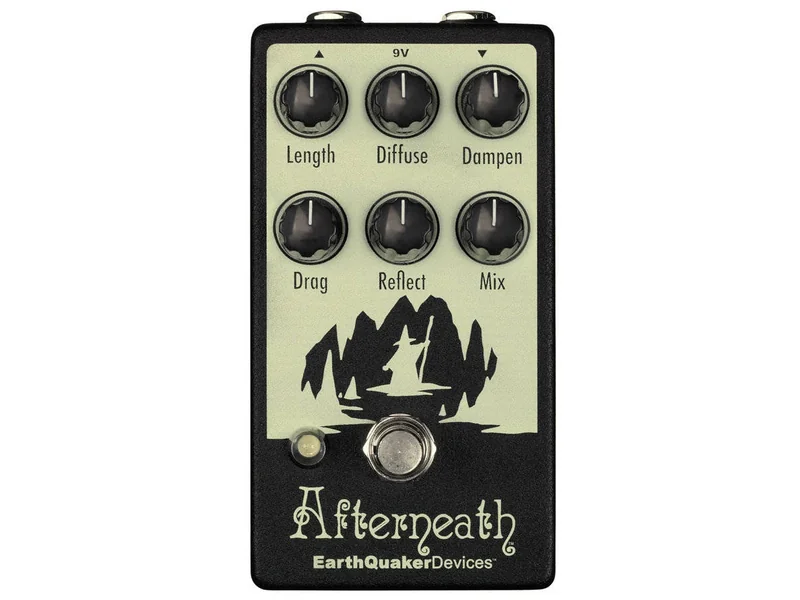
Afterneath Reverb
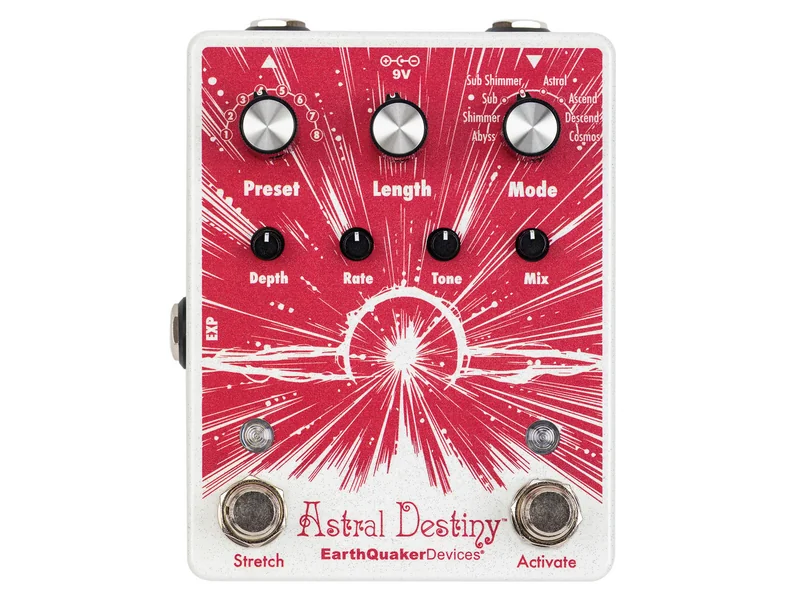
Astral Destiny
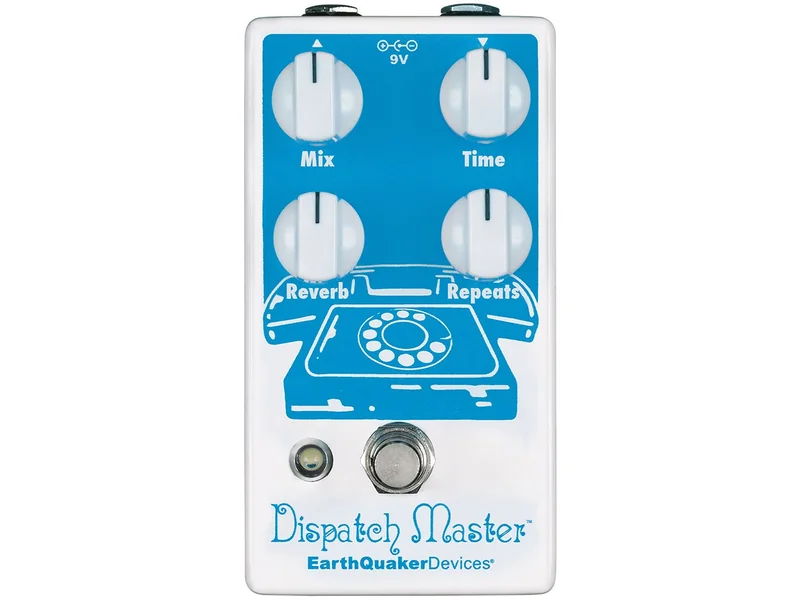
Dispatch Master
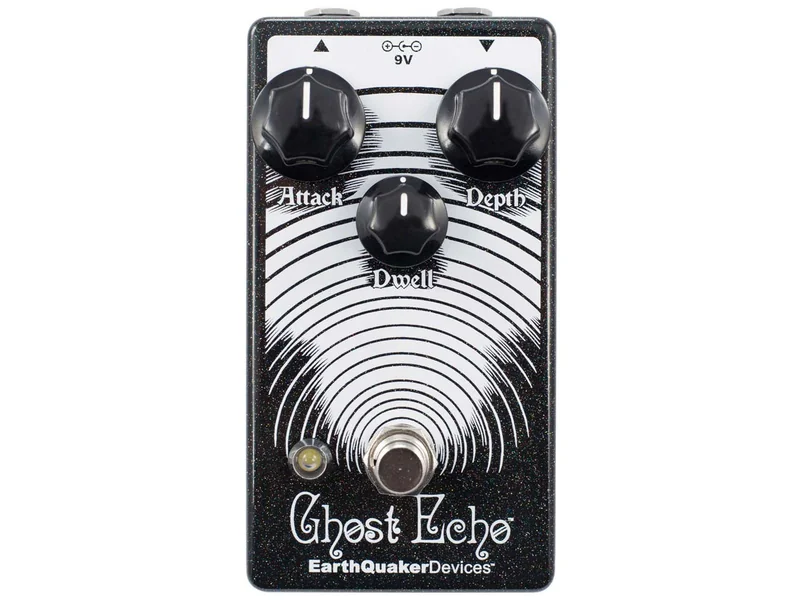
Ghost Echo V3
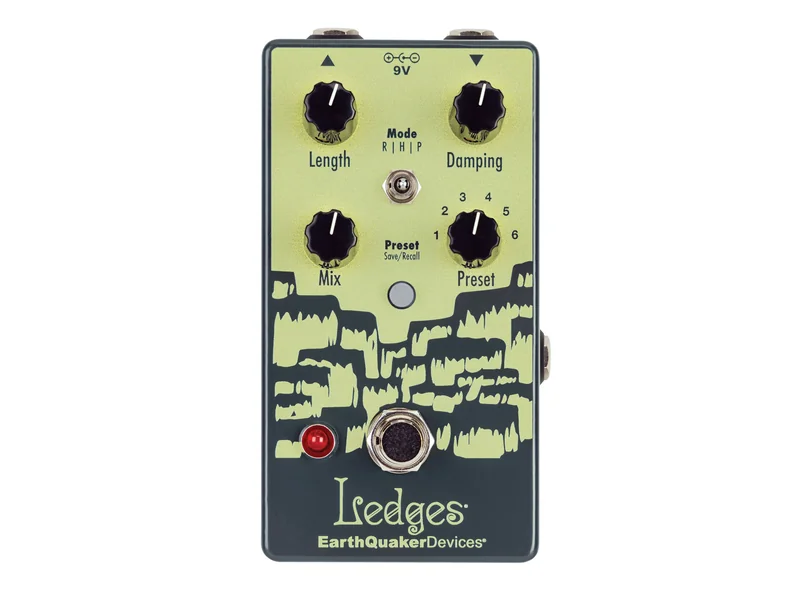
Ledges
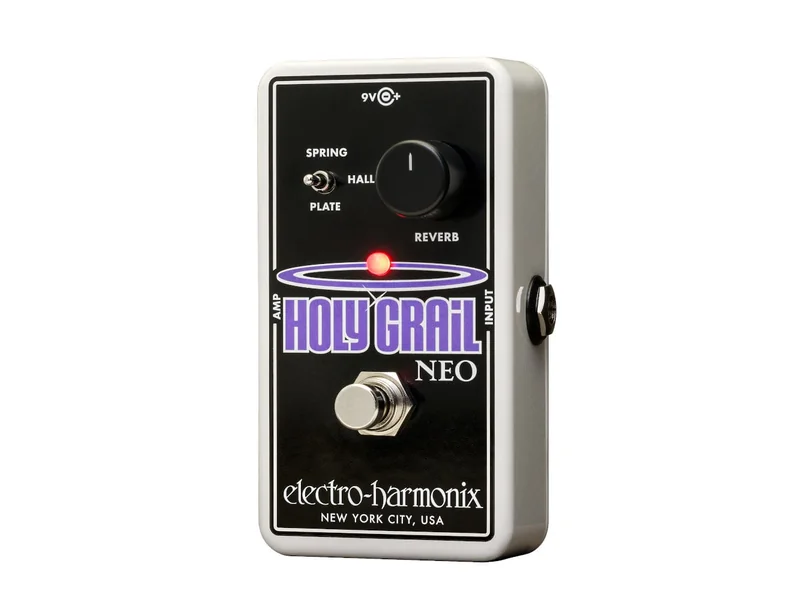
Holy Grail Neo Reverb
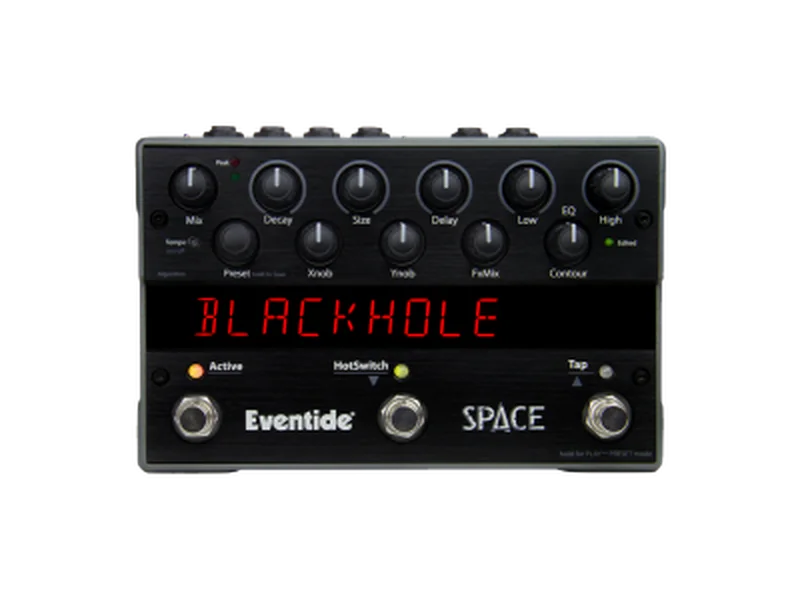
Space Reverb Effects
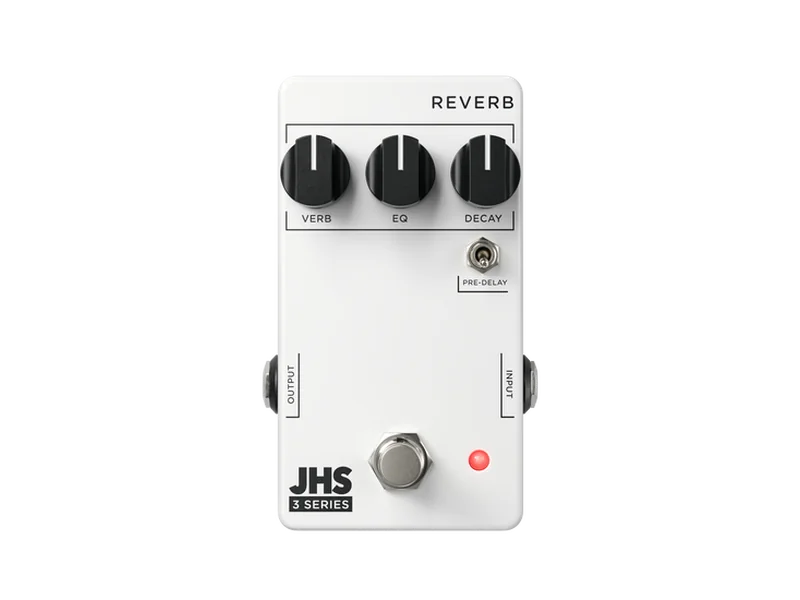
3 Series Reverb
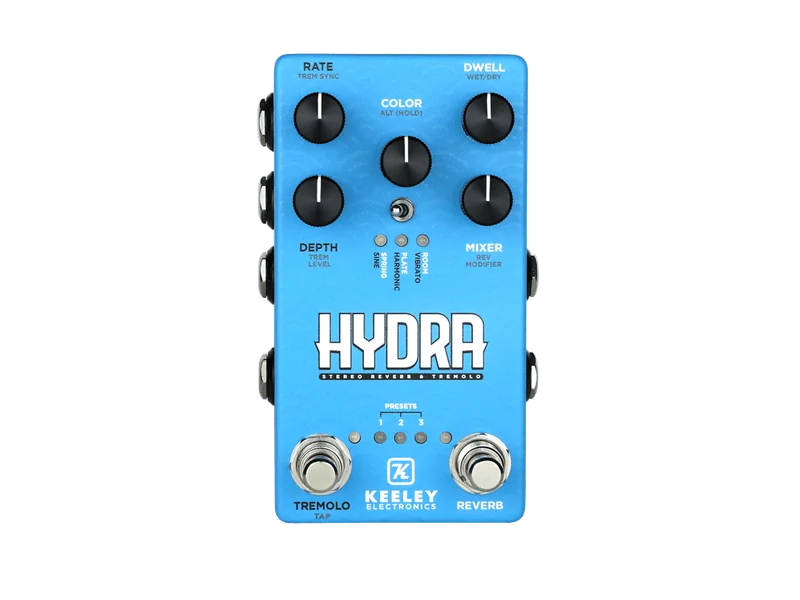
Hydra Stereo Reverb & Tremolo
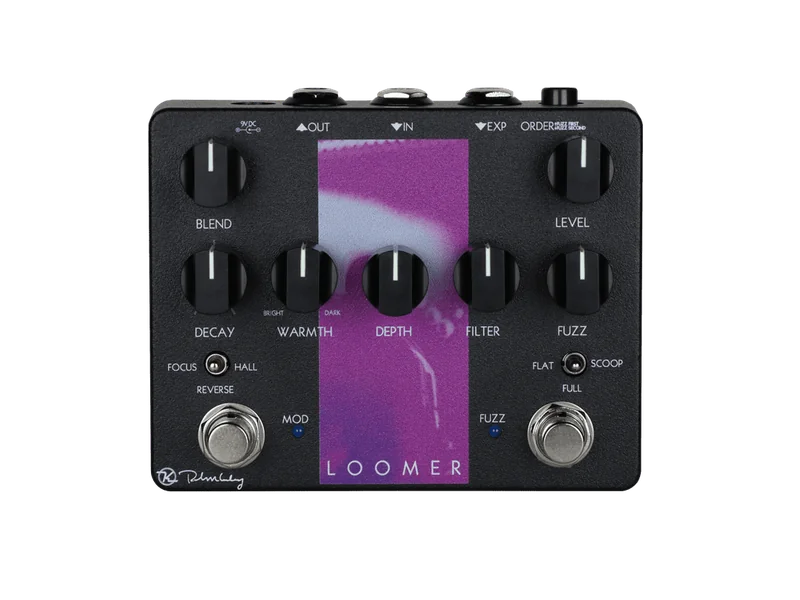
Loomer
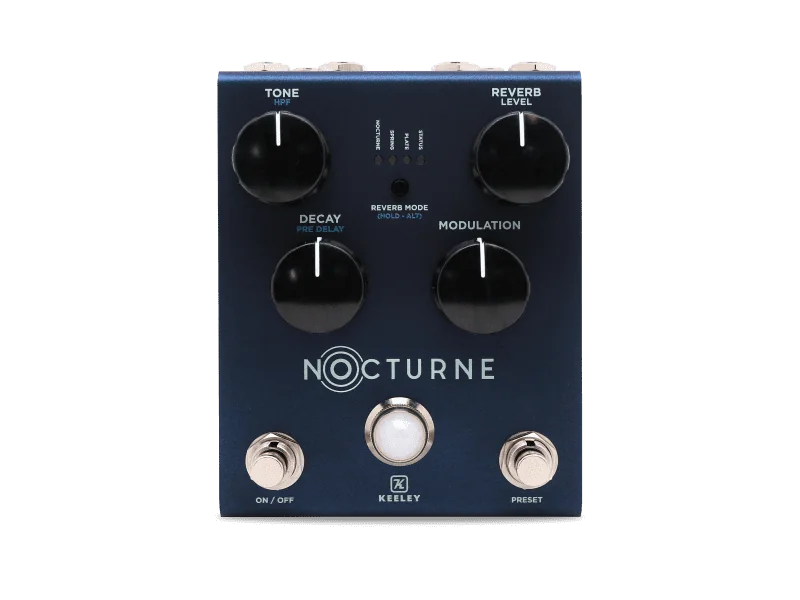
Nocturne Andy Timmons Reverb
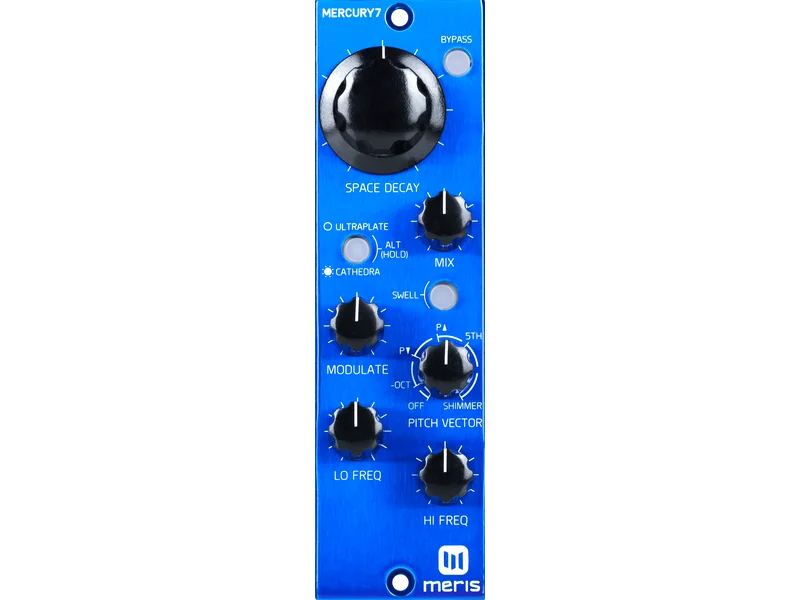
Mercury7 Reverb
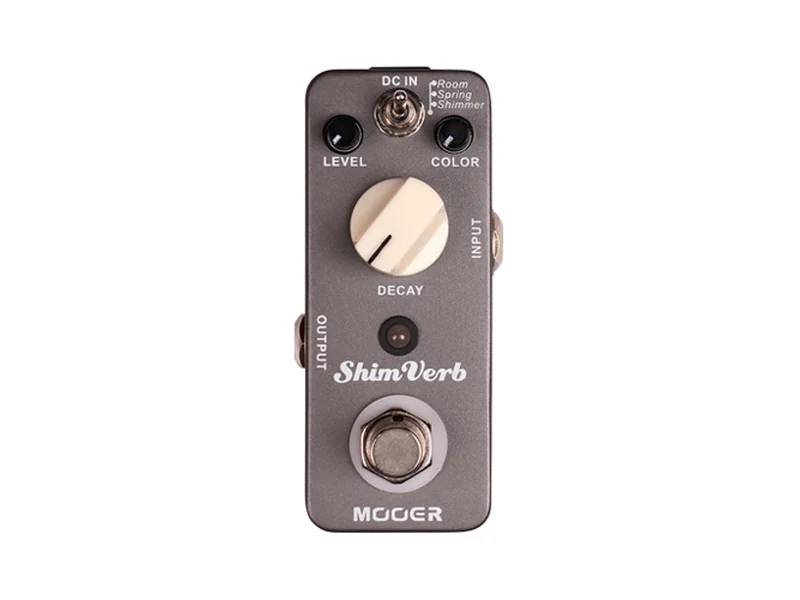
ShimVerb
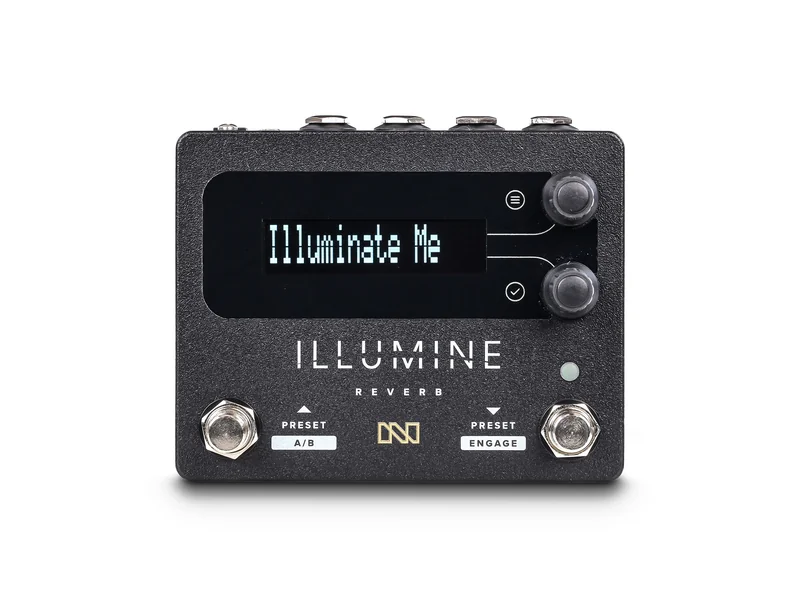
Illumine Reverb
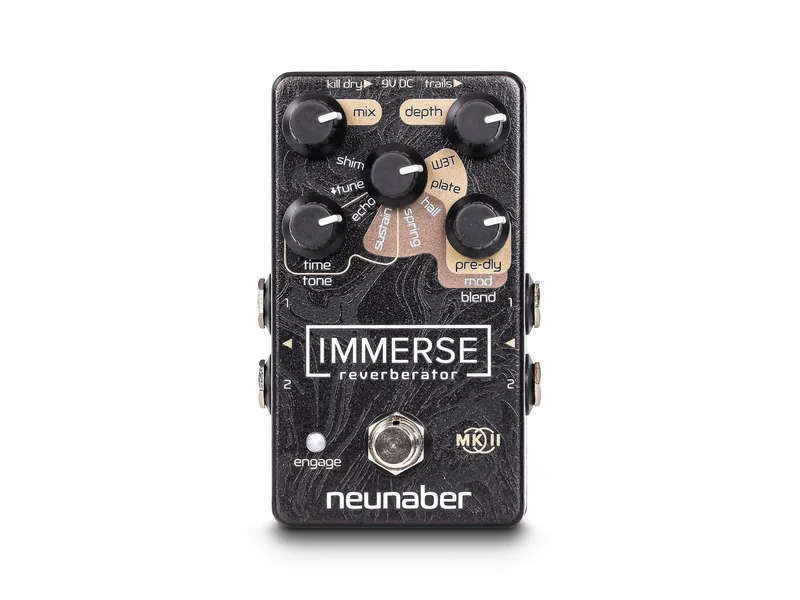
Immerse Reverberator Mk II
Context V2
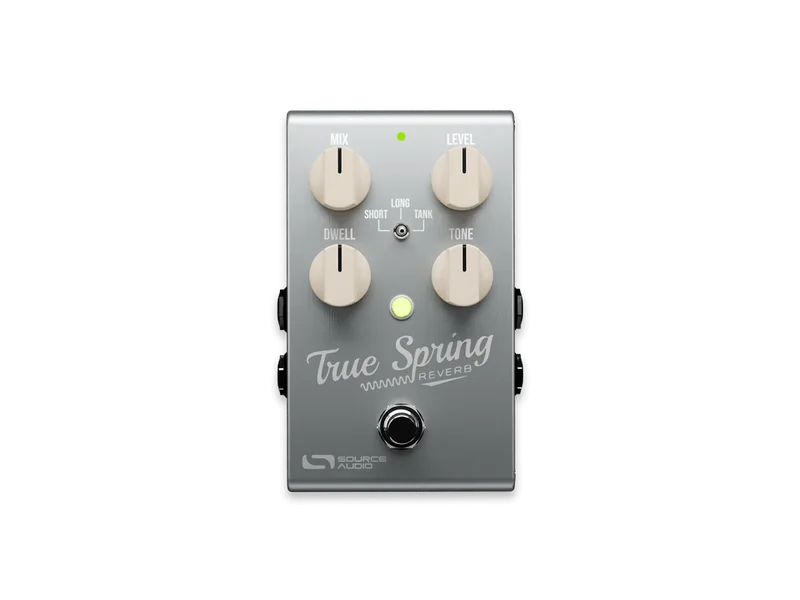
True Spring Reverb
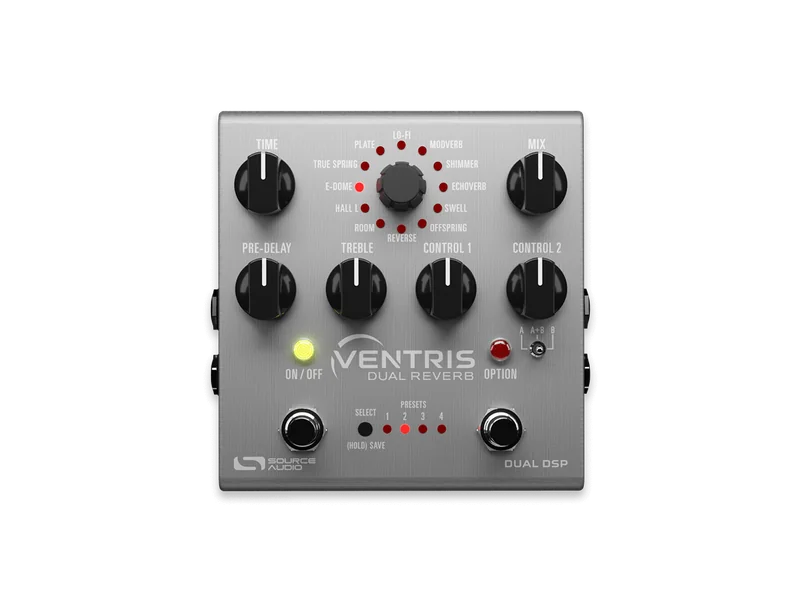
Ventris Dual Reverb
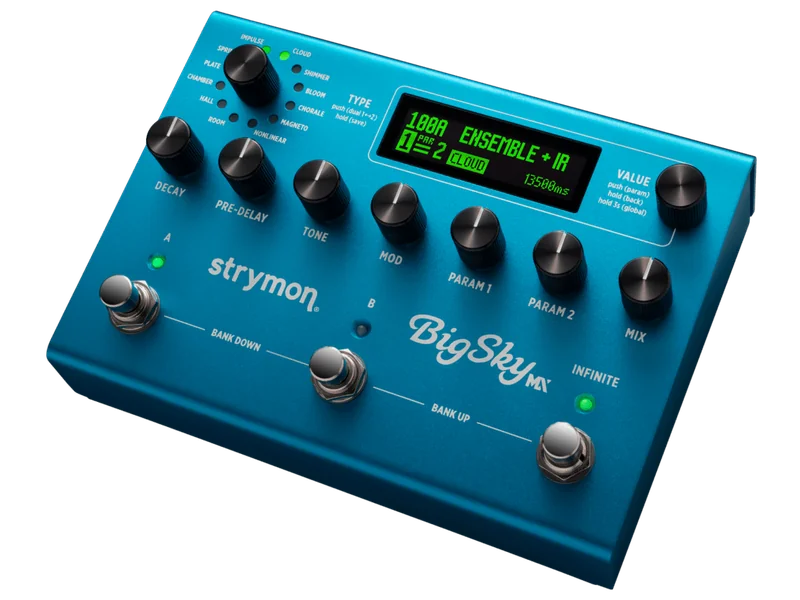
BigSky MX
BigSky Reverb
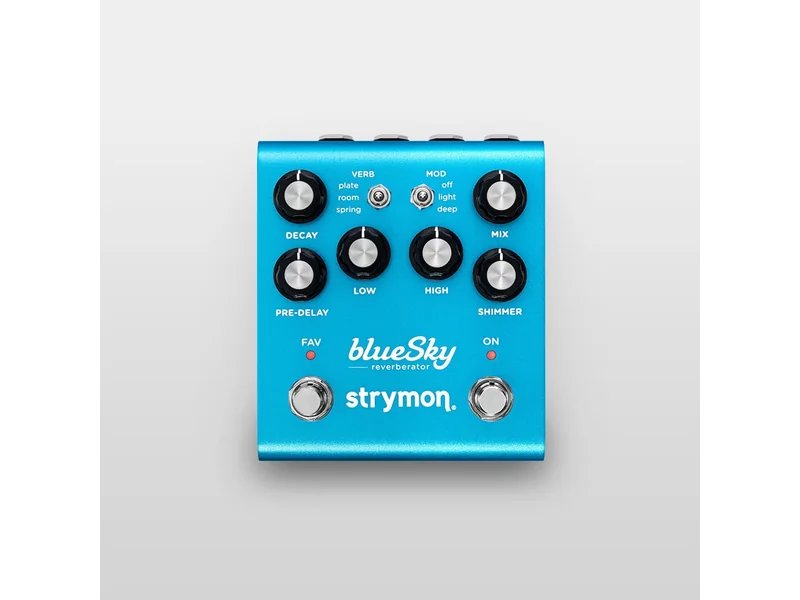
BlueSky V2
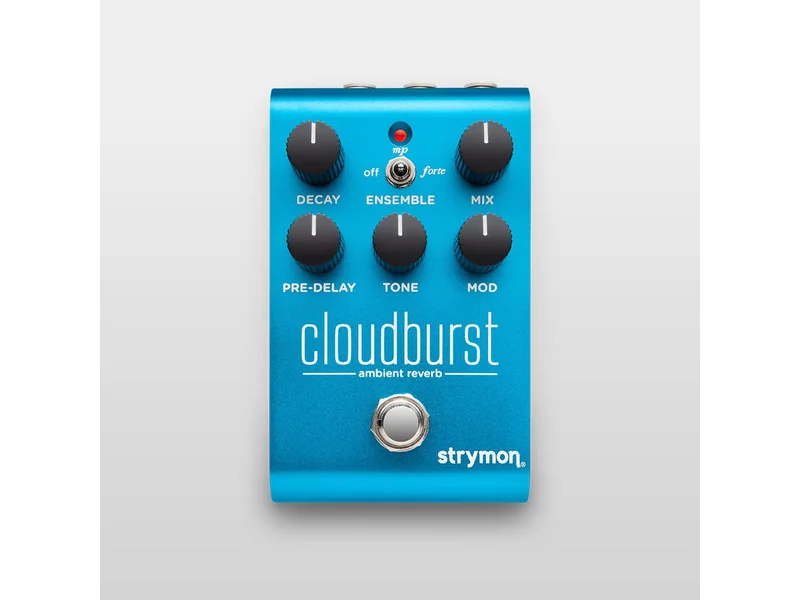
Cloudburst
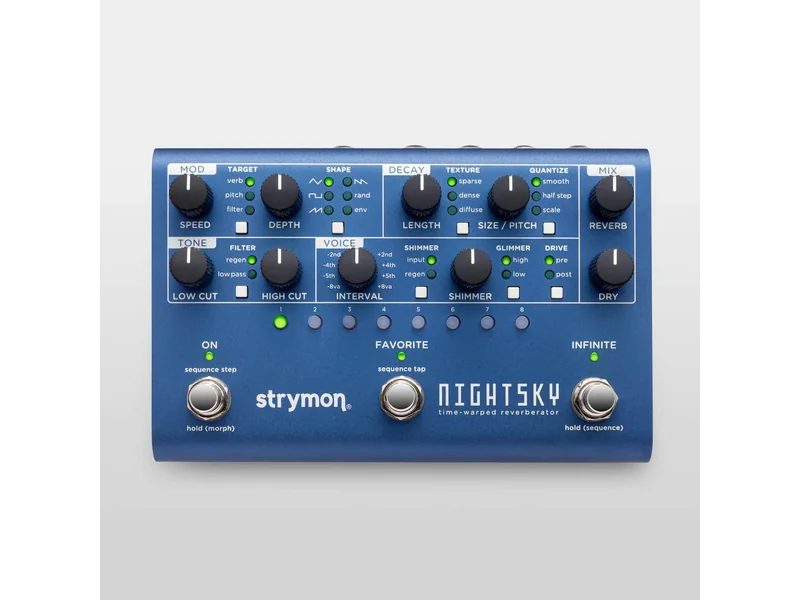
NightSky
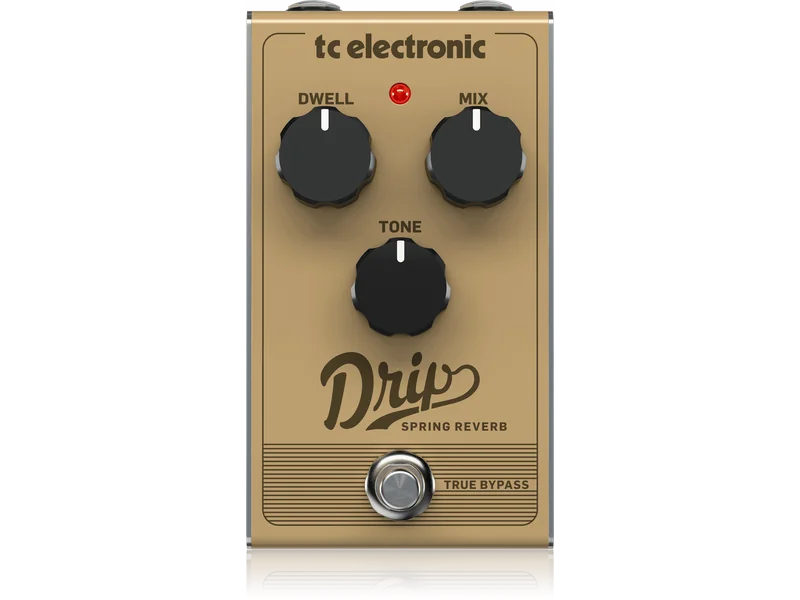
Drip Spring Reverb
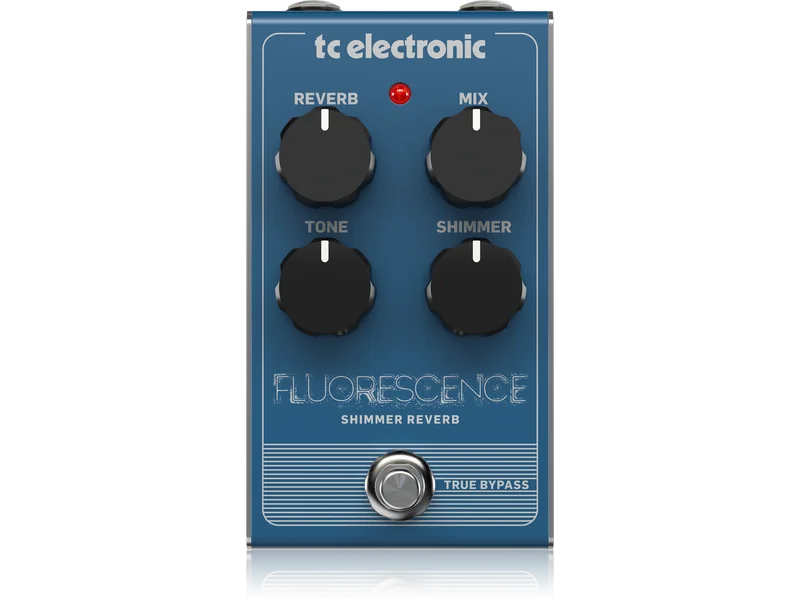
Fluorescence Shimmer Reverb
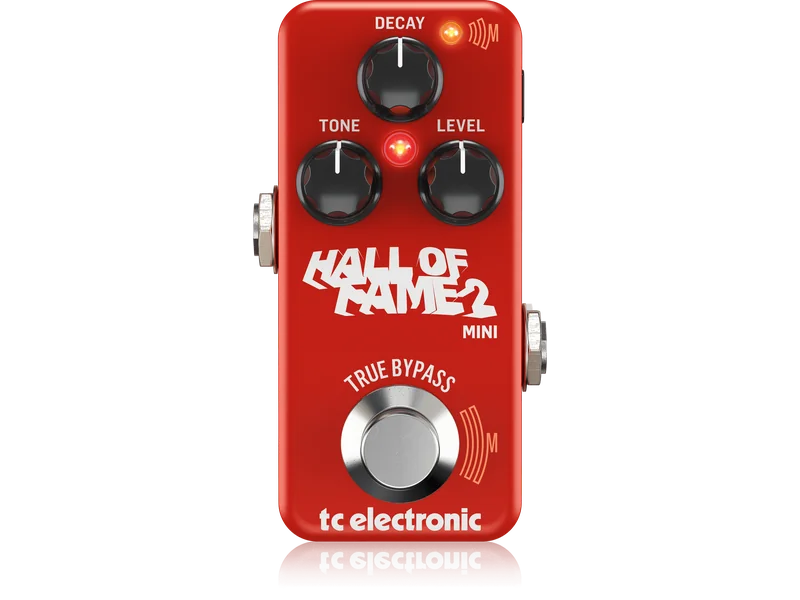
Hall of Fame 2 Mini Reverb
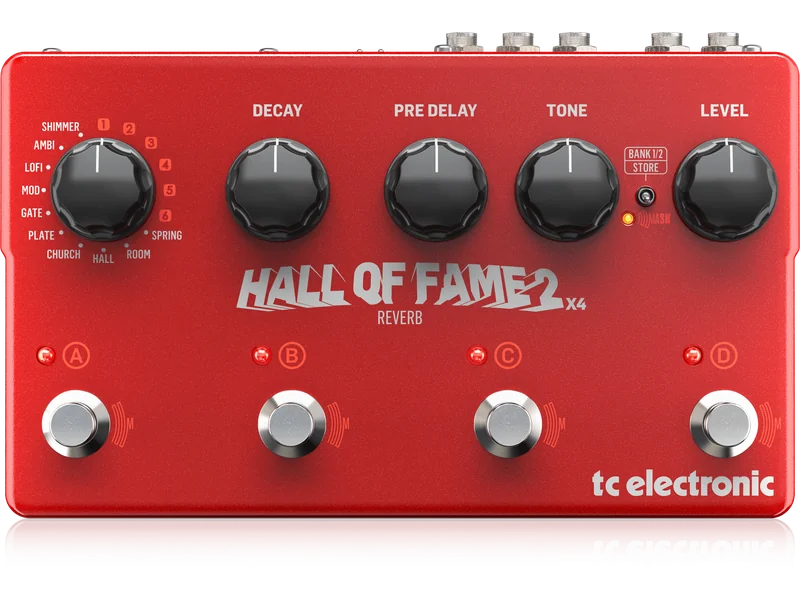
Hall of Fame 2 X4 Reverb
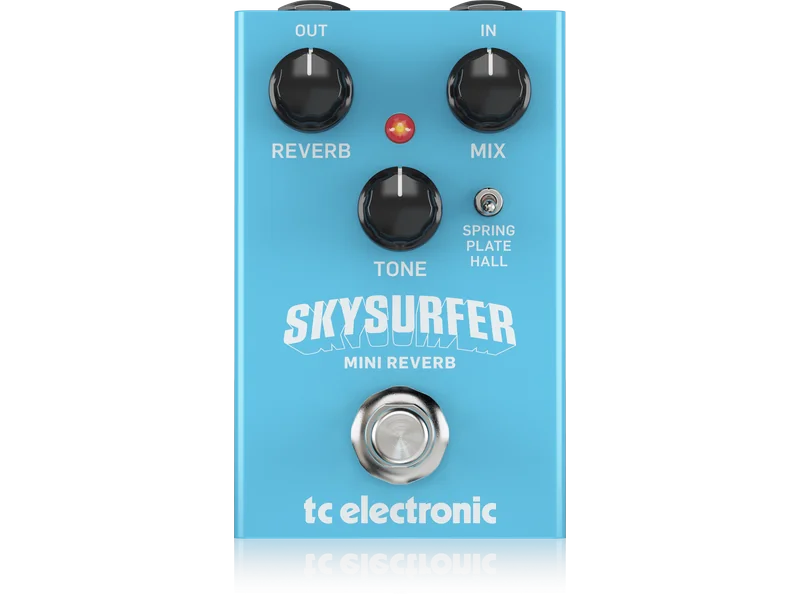
Skysurfer Mini Reverb
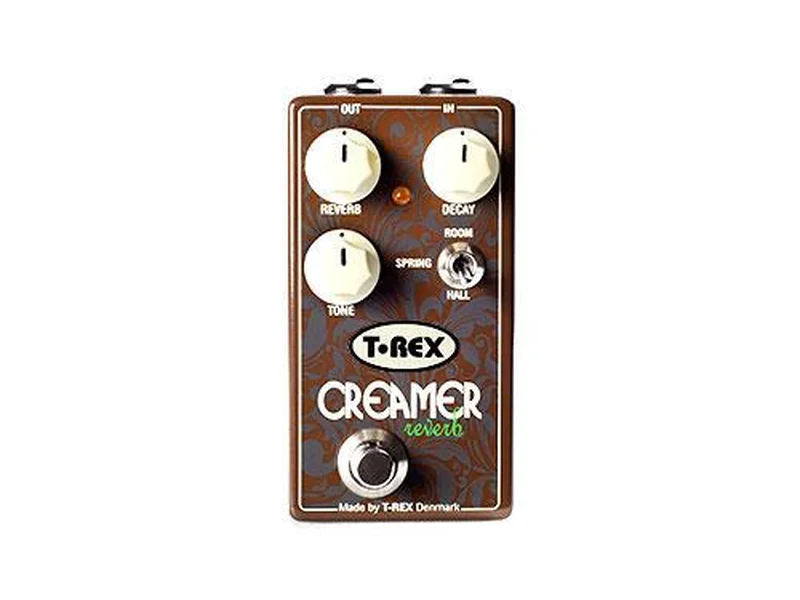
Creamer Reverb
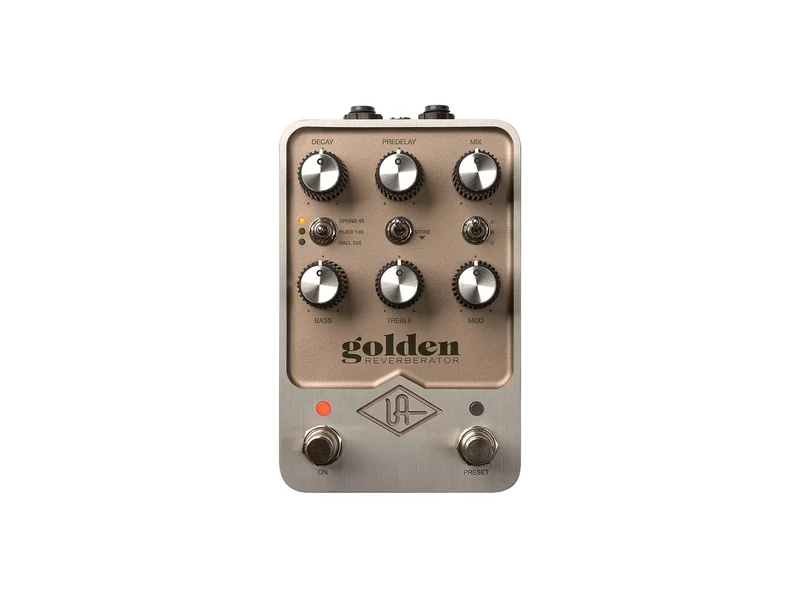
UAFX Golden Reverberator
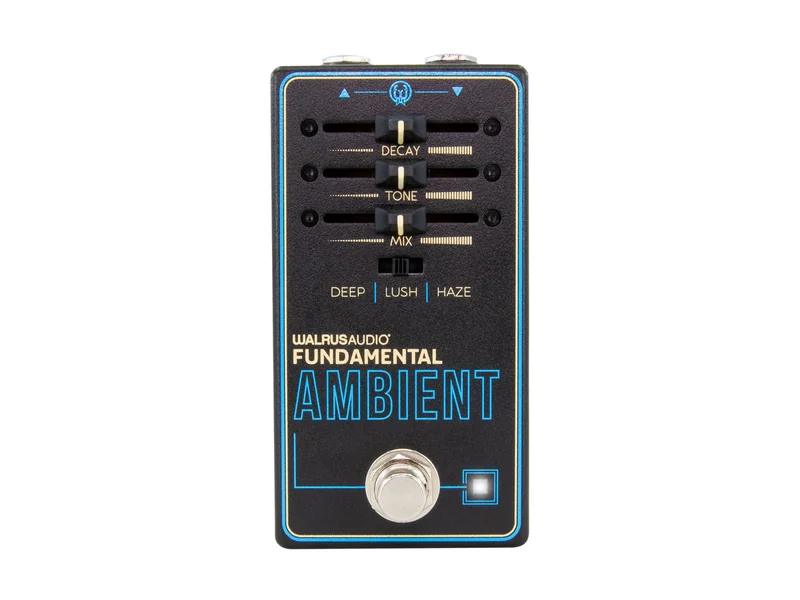
Fundamental Ambient Reverb
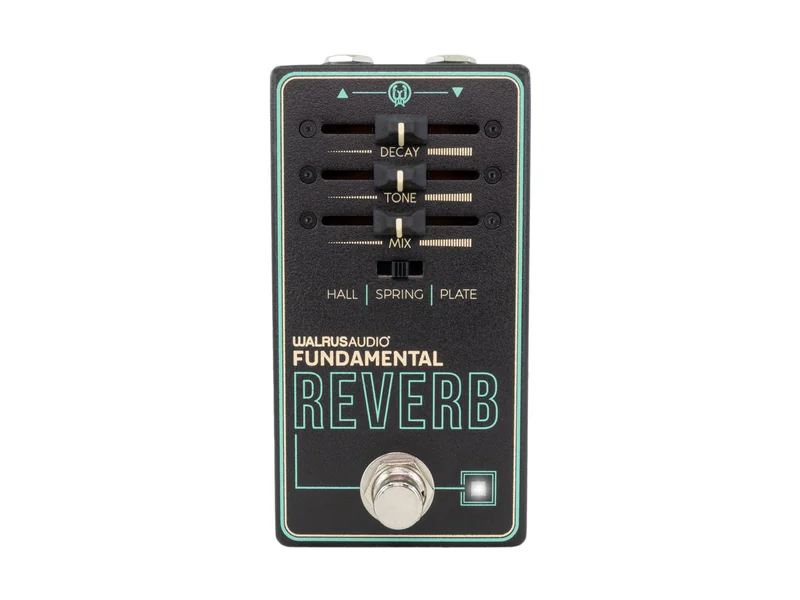
Fundamental Reverb
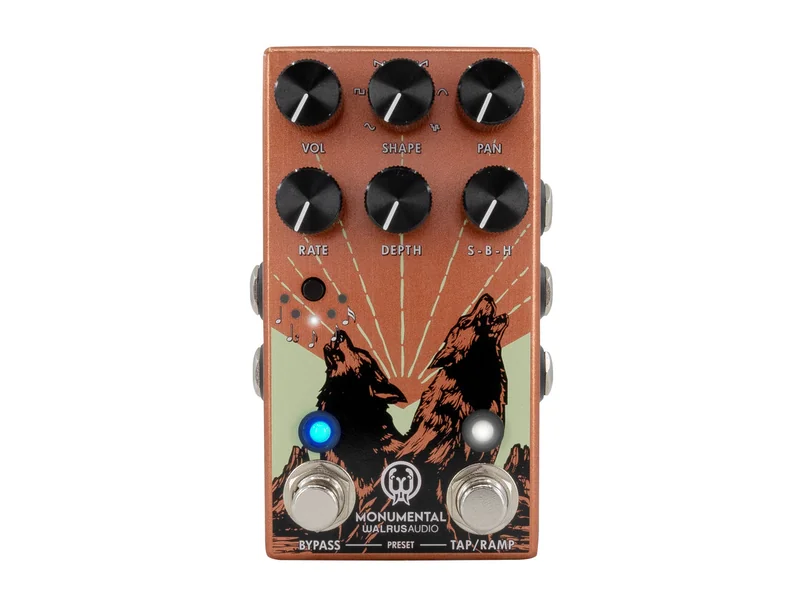
Monument Reverb
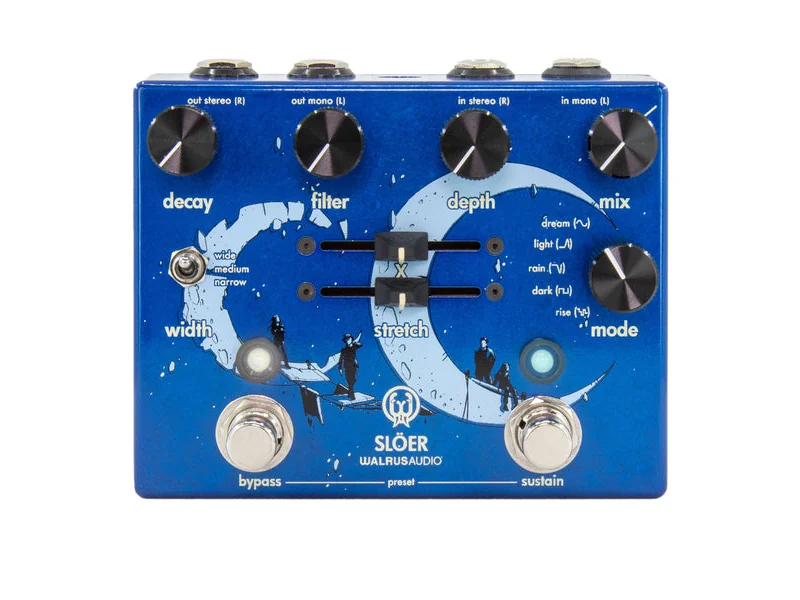
Slöer Stereo Ambient Reverb