Recommended Pedals
The essential Vibrato pedals to know about
Walrus Audio Julia
While primarily a chorus pedal, Julia offers a dedicated vibrato mode with no dry signal. Lush analog-style warmth with digital flexibility. Stunning in stereo.
Walrus Audio Monument Tremolo
Primarily a tremolo pedal, but offers harmonic and vintage modes that create pitch-like modulation effects. Tap tempo and versatile waveforms.
Keeley Katana Boost
While primarily a clean boost, the Katana offers harmonic richness that can simulate vibrato-like warmth when pushed. Pure analog circuit with exceptional transparency.
Xotic EP Booster
While not a true vibrato pedal, the EP Booster adds warmth and harmonic richness that can enhance modulation effects placed after it. Simple, effective tone enhancement.
Vibrato is one of the oldest effects in music—long before guitar pedals existed, amplifiers had built-in vibrato circuits. It modulates pitch, making your notes waver up and down slightly, creating a shimmering, living quality that adds expressiveness and depth. Despite its vintage roots, vibrato remains relevant today—from surf rock to ambient textures, vibrato adds a warmth and character that modern digital effects often struggle to replicate. Understanding vibrato—and choosing the right one—connects you to decades of musical tradition while opening new creative possibilities.
Understanding Vibrato: Pitch Modulation
Vibrato and tremolo are often confused, but they're fundamentally different:
Tremolo modulates volume—your signal gets louder and quieter.
Vibrato modulates pitch—your signal goes slightly sharp and flat.
Both use similar technology (low-frequency oscillators), but the effect on your tone is completely different. Tremolo creates a pumping feel; vibrato creates a wavering feel.
The Sound of Vibrato
Vibrato adds life and expressiveness to sustained notes. It's the difference between a static note and a singing note—the subtle pitch variation that makes instruments sound alive.
Subtle vibrato: Adds warmth and character. Barely noticeable but makes your tone more musical.
Deep vibrato: Obvious pitch wavering. Creates surf-rock textures. Dramatic effect.
Waveform Types
Different LFO waveforms create different vibrato characters:
Sine wave: Smooth, gentle wavering. Classic vibrato sound.
Triangle wave: More abrupt, well-defined pitch changes.
Square wave: Choppy, robotic. More extreme effect.
Ramp/shape: Custom waveforms for unique effects.
How Vibrato Works
Vibrato uses a low-frequency oscillator (LFO) to modulate pitch. The LFO runs at audio frequencies (typically 0.5-10 Hz), creating cyclic pitch variation.
Key Controls
Rate (Speed): How fast the pitch modulates. Slower rates create gentle wavering; faster rates create obvious vibrato.
Depth (Intensity): How much pitch modulation occurs. Subtle depth is barely audible; maximum depth creates dramatic pitch shifts.
Waveform: The shape of the LFO. Determines character of the vibrato.
Analog vs. Digital
Analog vibrato uses bucket-brigade chips or analog circuits to create pitch modulation. The result is warm, organic, with subtle imperfections that feel musical.
Digital vibrato uses DSP algorithms. Can be more precise, offer more features, but sometimes sound clinical.
The debate is similar to analog vs. digital delay: analog has character; digital has features.
Types of Vibrato Pedals
Classic Analog Vibrato
Simple, straightforward analog circuits.
Characteristics: Warm tone, bucket-brigade character, limited controls.
Examples: Diamond Vibrato, vintage EHX pedals.
Modern Analog-Circuit Vibrato
Contemporary designs using analog technology.
Characteristics: Improved circuitry, more features, warm tone.
Examples: Boss VB-2W, Walrus Audio Julia.
Digital Vibrato
DSP-based pitch modulation.
Characteristics: More precise, more features, preset capability.
Examples: Strymon, Eventide.
Hybrid Designs
Combines analog and digital.
Characteristics: Analog dry signal, digital modulation.
Examples: Many modern pedals.
Signal Chain Placement
Before Drives
Most common placement.
Why: Clean signal creates clearest vibrato. Works with any drive setting.
After Drives
Vibrato after overdrive/distortion.
Why: Creates different textures. The drive colors the vibrato.
Note: Can sound harsh with heavy distortion.
After Reverb
Vibrato receives reverberated signal.
Why: Creates swimming, ambient textures. Very surf-rock.
Creative Applications
Classic Surf Tone
Vibrato + Reverb = surf rock.
Technique: Deep vibrato, medium rate, lots of reverb. The classic 1960s sound.
Subtle Warmth
Add life to clean tones.
Technique: Very subtle depth, slow rate. Your tone gains character without obvious effect.
Textural Effect
Deep vibrato creates unique textures.
Technique: Fast rate, deep depth. Works great for ambient and experimental.
Lead Enhancement
Vibrato on sustained leads.
Technique: Add vibrato to solos for expressiveness. Matches vocal phrasing.
Genre Applications
Surf Rock
The quintessential vibrato genre.
Technique: Deep, obvious vibrato. Medium rate. Combine with spring reverb.
Sound: Beach Boys, Dick Dale, instrumental surf.
Blues
Subtle vibrato adds expressiveness.
Technique: Slow rate, shallow depth. On clean or light drive.
Sound: Subtle warble on held notes.
Rock
Vibrato adds character to leads and rhythm.
Technique: Medium settings. Works on both clean and overdriven.
Sound: Classic rock tone with warmth.
Ambient and Experimental
Vibrato creates textures.
Technique: Deep vibrato, fast/slow rates, stereo modulation.
Sound: Evolving textures, shimmer.
Jazz
Subtle vibrato on guitar.
Technique: Very slow, very subtle. Adds life to notes.
Sound: Guitar with subtle pitch variation.
Troubleshooting
Too Harsh
Causes: Depth too high, rate too fast, too much gain.
Solutions: Reduce depth, slow rate, reduce gain before vibrato.
Not Noticeable
Causes: Depth too low.
Solutions: Increase depth.
Unstable
Causes: Poor power, bad connections.
Solutions: Check power supply, check cables.
Sounds Like Tremolo
Causes: Confusing vibrato with tremolo.
Solutions: Verify pedal is actually vibrato, not tremolo.
Top Vibrato Pedals
Best Overall: Boss VB-2W Waza Craft
The VB-2W is Boss's modern reinterpretation of their rare VB-2 vintage vibrato. The Waza Craft version adds modern features while maintaining analog character. Multiple modes (Vintage, Modern), tap tempo, expression control. The most versatile professional vibrato available.
Key specs:
- Multiple modes
- Tap tempo
- Expression control
- Waza Craft quality
Best for Warmth: Walrus Audio Julia
Julia combines analog-style warmth with digital flexibility. The unique waveform control lets you shape LFO shape. Stereo output for enhanced width. The visual design is stunning. Julia creates everything from subtle shimmer to deep, seasick wobble.
Key specs:
- Waveform control
- Analog character
- Stereo I/O
- Visual appeal
Best Value: Diamond Vibrato
Diamond pedals are known for pure analog quality. Their Vibrato delivers straightforward bucket-brigade warmth. Simple controls, no menus, just analog vibrato. If you want classic vibrato without complications, this is it.
Key specs:
- Pure analog
- Simple controls
- Bucket-brigade character
- No-frills design
Best Compact: MXR M68 Vintage Bass Tremolo
Despite the name, M68 works great for guitar too. Analog warmth, simple controls, compact size. The vintage character is convincing. Budget-friendly entry to analog vibrato.
Key specs:
- Analog circuit
- Compact size
- Affordable
- Works guitar/bass
The Bottom Line
Vibrato connects your playing to decades of musical tradition. From surf rock to ambient textures, it adds expressiveness that makes your tone feel alive. The Boss VB-2W offers the best combination of vintage character and modern features. The Walrus Audio Julia delivers lush, flexible modulation. The Diamond Vibrato provides pure analog simplicity. Choose based on whether you want features, flexibility, or vintage purity—and let your guitar sing.
The History and Evolution of Vibrato
Vibrato has a rich history in music technology, evolving from amplifier circuits to dedicated pedals.
Early Beginnings
Vibrato first appeared in amplifier design. In the 1950s and 1960s, amplifier manufacturers discovered that modulating the bias voltage on tubes created pitch wavering—thus, amplifier vibrato was born.
Fender was notable for their built-in vibrato circuits. The Fender Twin Reverb, Deluxe Reverb, and others featured vibrato that became iconic sounds.
The Pedal Era
As effects pedals developed, dedicated vibrato pedals emerged. Early designs used analog circuits to replicate amplifier vibrato, then bucket-brigade chips provided more stable operation.
Modern Developments
Today's vibrato pedals range from pure analog designs to sophisticated digital implementations. The best combine vintage character with modern features.
The Science of Vibrato
Waveform Deep Dive
The LFO (low-frequency oscillator) waveform determines vibrato character:
Sine wave: Smoothest, most subtle. Natural feeling. Classic vibrato.
Triangle wave: More defined pitch changes. Slightly more pronounced.
Square wave: Choppy, robotic. Very obvious effect.
Ramp/shape: Customizable. Some pedals let you shape the waveform.
Rate and Depth Interaction
Rate and depth interact to create different feels:
Slow rate + shallow depth: Barely noticeable warmth.
Fast rate + deep depth: Obvious, seasick wobble.
Slow rate + deep depth: Emotional, vocal-like warble.
Fast rate + shallow depth: Tremolo-like pulsing.
The Bucket-Brigade Story
Analog vibrato often uses bucket-brigade delay chips:
How it works: Audio is sampled and shifted through a series of delay elements. The delay time modulates, creating pitch variation.
Character: Warm, slightly degraded. Adds analog charm.
Limitation: Noise and frequency limitations add to the vintage character.
Creative Techniques
The Surf Stack
Vibrato + Reverb = Classic surf
Method: Set vibrato to medium rate, moderate depth. Send through plate reverb. The ultimate surf-rock sound.
Why it works: Both effects add movement. Combined, they create swimming textures.
Subtle Enhancement
Adding life to clean tones:
Method: Very slow rate (0.5 Hz), very shallow depth. Not obvious—adds warmth.
Best for: Jazz, ballads, any music where subtle enhancement matters.
The Wobble
Deep vibrato for texture:
Method: Fast rate (4-5 Hz), deep depth. Obvious pitch modulation.
Best for: Experimental, ambient, texture creation.
Expression Control
Real-time vibrato control:
Method: Connect expression pedal. Control rate or depth with your foot.
Use: Intensify vibrato on emotional moments. Reduce during verses, increase on choruses.
Vibrato vs. Tremolo: The Final Word
Despite confusion, these are distinct effects:
Tremolo
- Modulates volume
- Creates pumping feel
- Feels like note swelling
Vibrato
- Modulates pitch
- Creates wavering feel
- Feels like note singing
Test: Turn both on. If the note seems to get louder and quieter, it's tremolo. If the note seems to go sharp and flat, it's vibrato.
Studio Applications
Recording with Vibrato
Vibrato adds life to recorded guitar:
Technique: Add subtle vibrato to sustain. The movement prevents static-sounding recordings.
Caution: Vibrato can cause phase issues in stereo. Check mono compatibility.
Mixing Considerations
Mono mixing: Vibrato works well. Check phase.
Stereo mixing: Vibrato can create width. Pan vibrato and dry signal for stereo spread.
Vintage Feel
Vibrato adds instant vintage character:
Technique: Use analog vibrato on recorded tracks. The subtle imperfections feel authentic.
Performance Tips
Engaging Vibrato
- Stomp cleanly to avoid clicks
- Set depth before engaging
- Adjust live if needed
Matching Tempo
Use tap tempo to match vibrato to song tempo:
- Quarter-note vibrato matches beat
- Eighth-note vibrato adds energy
- Free vibrato for emotional playing
Dynamics and Vibrato
How to use vibrato with dynamics:
- Increase depth on held notes
- Use vibrato on upstrokes only
- Add vibrato as part of your phrasing
Care and Maintenance
Power Requirements
Vibrato pedals vary in power needs:
- Simple analog: 20-50mA
- Advanced digital: 100-200mA
- Check your pedal's requirements
Analog Considerations
Analog vibrato may develop:
- Noise over time
- Drift in rate
- Component aging
Care: Quality construction, proper power, reasonable use extend life.
Digital Updates
Some digital vibrato has updateable firmware:
- Check manufacturer sites
- Update for improvements
- Follow instructions carefully
Troubleshooting Vibrato
Problem: Too Noisy
Solutions:
- Check power supply quality
- Reduce depth
- Reduce gain before vibrato
Problem: Unstable Rate
Solutions:
- Check power connection
- Replace battery if applicable
- Check for loose connections
Problem: Sounds Harsh
Solutions:
- Reduce depth
- Slow rate
- Check signal chain
Problem: Not Working
Solutions:
- Check all connections
- Verify power
- Test with different guitar/cable
Advanced Setup
Stereo Vibrato
Creating stereo width:
Method: Run vibrato to two amps, pan them. The pitch modulation creates natural stereo width.
Result: Expansive sound.
Wet/Dry Blend
Mixing vibrato with dry:
Method: Most vibratos have blend. Find your ideal mix.
Tip: Some prefer full wet for effect; others want subtle.
Expression Integration
Real-time control:
Method: Connect expression pedal to rate or depth.
Use: Musical swells, intensity changes.
The Bottom Line
Vibrato connects your playing to a rich musical tradition. From surf rock to ambient textures, it adds expressiveness that makes your tone feel alive. The Boss VB-2W offers the best balance of vintage character and modern features. The Walrus Audio Julia delivers lush, flexible modulation. The Diamond Vibrato provides pure analog simplicity.
Use vibrato tastefully: subtle application enhances your playing; heavy use quickly becomes a gimmick. The goal is adding life to your tone, not announcing an effect.
Vibrato in Different Musical Contexts
In Blues
Blues guitarists have used vibrato for decades to emulate the human voice:
Approach: Slow, subtle vibrato on held notes. The pitch variation adds emotion.
Technique: Slight pitch deviation, consistent rate. Not obvious, but present.
Sound: Expressive, vocal-like quality. Adds feeling to every note.
In Rock
Rock uses vibrato for various purposes:
Rhythm: Subtle vibrato adds warmth to chord playing.
Lead: Vibrato on sustains adds expression.
Texture: Deep vibrato creates atmosphere.
In Jazz
Jazz guitarists often use very subtle vibrato:
Approach: Minimal vibrato or none. Clean tone preferred.
Technique: If used, extremely slow and shallow.
Philosophy: Let the note speak without modification.
In Surf Music
Surf music is vibrato's natural home:
Approach: Prominent, obvious vibrato.
Technique: Deep depth, medium rate. Combined with reverb.
Sound: The classic 1960s surf guitar tone.
In Ambient Music
Ambient musicians use vibrato as textural element:
Approach: Extreme settings, long durations.
Technique: Deep depth, varying rates. Stereo placement.
Sound: Evolving textures, shimmer, movement.
Vibrato Equipment Considerations
Amplifier Integration
Some amplifiers have built-in vibrato:
Advantages: Integrated, matched to amp character.
Limitations: Only works with that amp.
Pedalboard Setup
Dedicated vibrato pedals offer flexibility:
Advantages: Works with any amp, multiple options.
Considerations: Power requirements, space.
Power Supply
Vibrato pedals can be sensitive to power:
Recommendations: Isolated power preferred.
Note: Some analog vibratos hum with poor power.
The Subjective Nature of Vibrato
What Sounds Right
Vibrato preference is personal:
- Some prefer subtle
- Some prefer obvious
- Genre matters
- Context matters
Experimentation
The best approach is experimentation:
- Try different settings
- Listen critically
- Trust your ears
Personal Style
Your vibrato becomes part of your voice:
- Develop consistent approach
- Use vibrato to express
- Make it yours
Future of Vibrato Effects
Analog Revival
Interest in analog continues:
- Vintage sounds remain desirable
- Modern analog designs improve
- Character matters to players
Digital Innovation
Digital offers new possibilities:
- More features
- Better tracking
- Novel effects
Hybrid Approaches
Combining analog and digital:
- Analog character
- Digital precision
- Best of both worlds
Practical Tips for Using Vibrato
On Stage
- Set depth moderate
- Adjust rate to song
- Test before playing
In the Studio
- Record with and without
- Compare results
- Use tastefully
In Practice
- Use as learning tool
- Develop consistency
- Record yourself
Vibrato as Expression
Musical vs. Mechanical
Vibrato should feel musical:
- Rate matches feel
- Depth matches intensity
- Expression comes through
The Human Element
Vibrato adds humanity:
- Subtle imperfections
- Emotional content
- Connection to player
Final Words on Vibrato
Vibrato connects past and present. It links modern players to decades of musical tradition while offering new possibilities. Use it to add expression, create atmosphere, or make your guitar sing.
The best vibrato use is often invisible—it enhances without announcing itself. Develop your approach, trust your ears, and let your guitar speak with warmth and character.
Live Vibrato Price Index
UK & European retailers • Updated daily
| Pedal | Style | Country | Price |
|---|---|---|---|
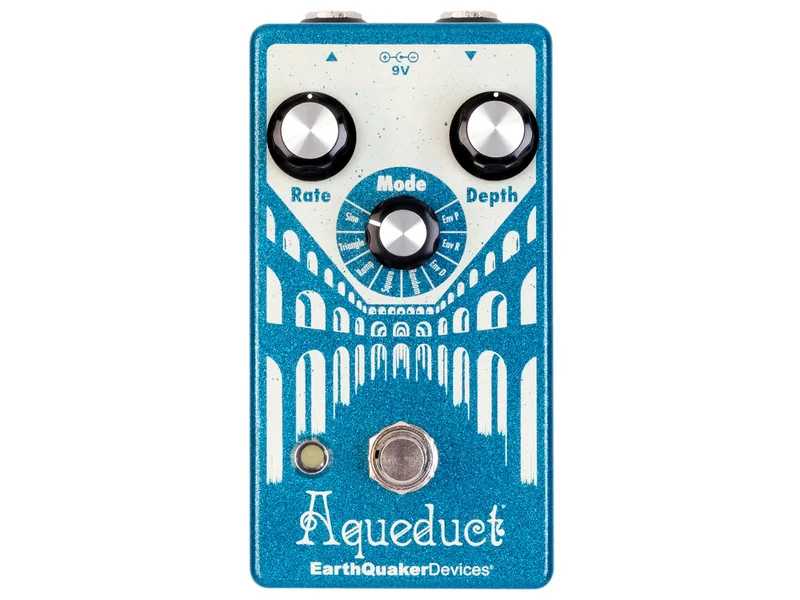
| EarthQuaker Devices Aqueduct | Digital | USA | — |
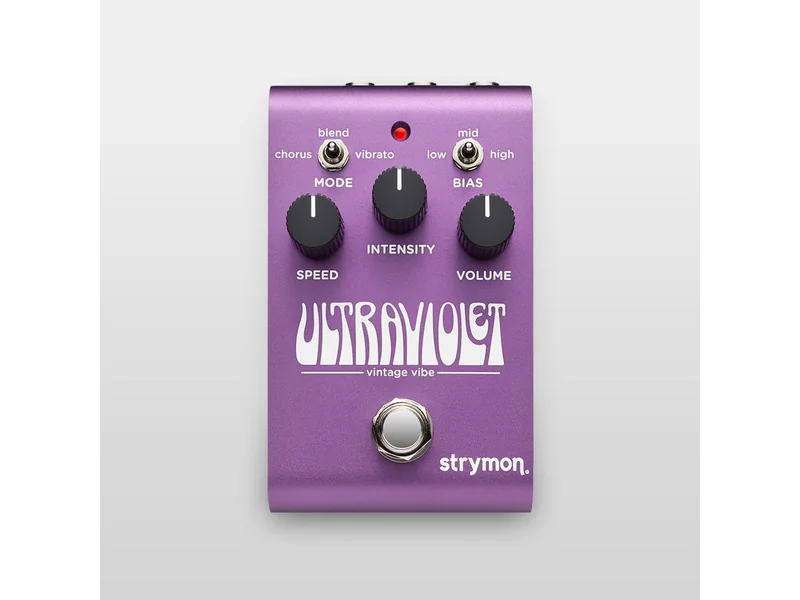
| Strymon UltraViolet | Analog | USA | — |
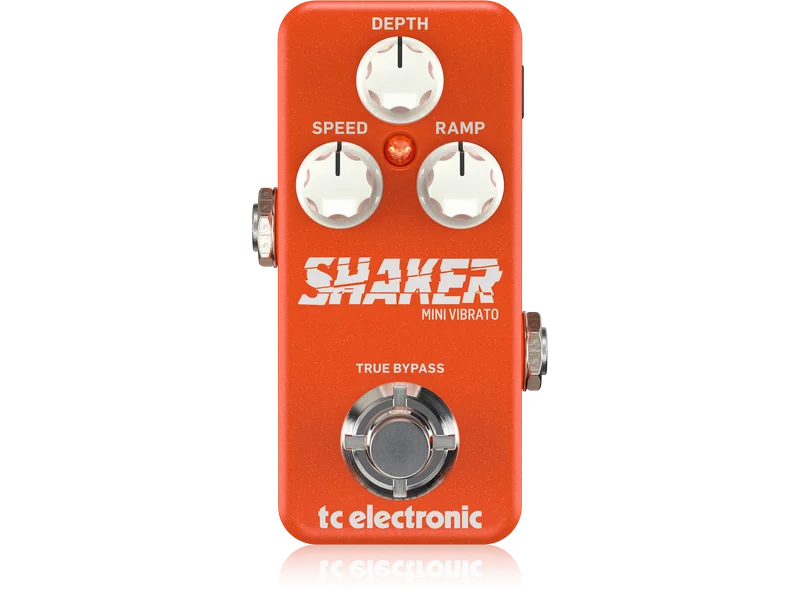
| TC Electronic Shaker Mini Vibrato | Analog | Denmark | — |
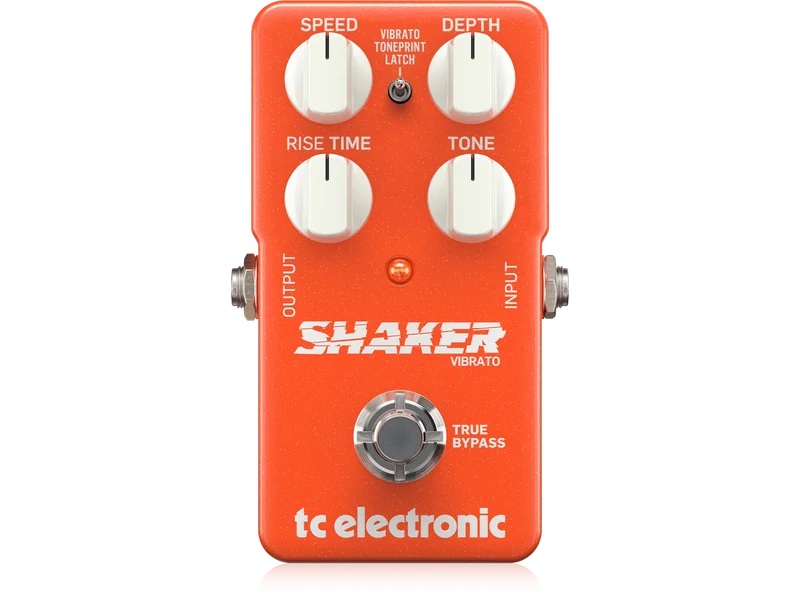
| TC Electronic Shaker Vibrato | Analog | Denmark | €85 |