Recommended Pedals
The essential Wah pedals to know about
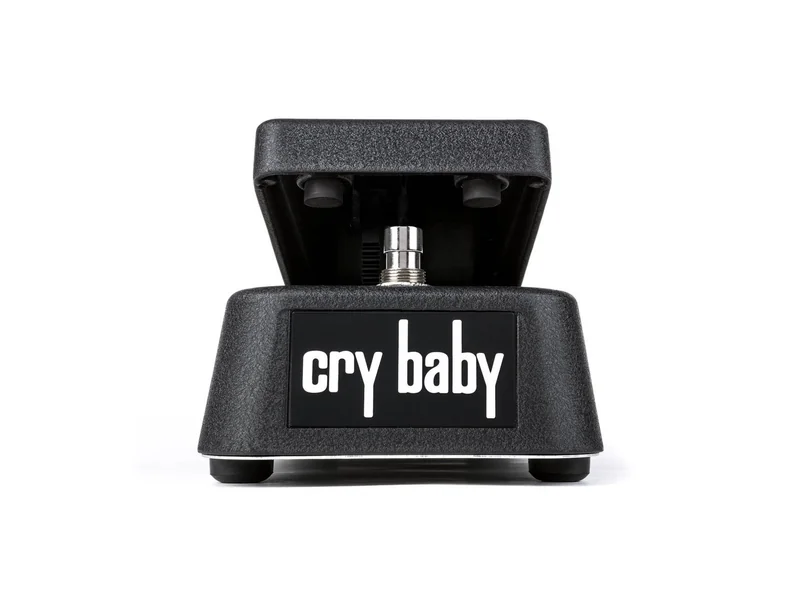
Dunlop Cry Baby GCB95 Wah
THE wah tone. Jimi Hendrix standard. Inductor-based warmth. If you want to sound professional, this is it. No compromises.
Dunlop Cry Baby GCB95 Wah
Fast, obvious wah is perfect for funk grooves. Rhythmic, percussive character defines funk. Professional funk players use Cry Baby.
Dunlop Cry Baby GCB95 Wah
Fast, aggressive wah perfect for heavy tones. Eddie Van Halen used it. Tool uses it. It handles distortion and aggression perfectly.
Dunlop Cry Baby GCB95 Wah
Wah is ultimate expression tool for solos. Cry Baby's mid-range character is perfect for expressive lead tones. Makes guitar "talk."
Dunlop Cry Baby GCB95 Wah
Wah is fundamental effect every guitarist should understand. Cry Baby is the reference standard. It's not fancy, it just works perfectly.
Wah is controlled frequency filtering—a sweeping resonant peak that moves across the frequency spectrum as your foot moves on the pedal. It's the 'wah-wah-wah' sound that defined funk, the expressive lead effect that lets your foot communicate dynamics. It's instantly recognizable and utterly human in its responsiveness.
What Is Wah? The Voice of Your Guitar
Wah is one of the most expressive and recognizable effects in guitar. It's simple in concept: you're moving a filter sweep through the frequency spectrum, controlled by a foot pedal. This creates the characteristic "wah-wah" vocal-like sound that makes your guitar "talk."
Unlike other modulation effects that are automated, wah gives you direct control. You control the effect in real-time by moving your foot. This makes wah one of the most expressive tools available to guitarists.
The Physics of Wah: Swept Filter
Wah works by moving a bandpass filter through the frequency spectrum.
How it works:
- A fixed bandpass filter is created by the pedal circuit
- The foot pedal controls the center frequency of this filter
- Moving the pedal toe-down = higher frequencies pass through
- Moving the pedal heel-down = lower frequencies pass through
- The result: selective frequency sweep that sounds like "wah"
The physics:
- Bandpass filters only allow certain frequencies to pass
- Moving the filter through the spectrum creates the sweep
- The guitar's harmonics remain but are filtered differently at each position
- This creates the vocal, vocal-like quality
The visual analogy: Imagine a narrow window that shows only certain frequencies. As you move this window up and down through the frequency spectrum, different parts of your tone appear and disappear. That's what wah does.
Frequency Range: The Heart of Wah Character
Different wahs have different frequency ranges. This is the primary difference between wah pedals.
Low-frequency wah (100-2000 Hz focus):
- Brings out bass and low-mid content
- Creates darker, heavier wah tone
- Good for heavy music and thick tones
- Less articulate sound
Mid-frequency wah (500-4000 Hz focus):
- Brings out vocal-like quality
- Creates human voice-like tone
- Good for lead tones and soloing
- Most recognizable "wah" sound
High-frequency wah (1000-8000 Hz focus):
- Brings out brilliance and articulation
- Creates sharp, biting wah tone
- Good for clean tones and articulate playing
- Piercing, obvious effect
The pro insight: The Dunlop Cry Baby operates in mid-frequency range, which is why it's the standard. It sounds like what people imagine wah should sound like.
Types of Wah Pedals
Classic Wah (Inductor-Based)
How it works: Uses an inductor-based circuit (original Fuzz Face designer design).
Sound characteristics:
- Warm, smooth sweep
- Natural-sounding filter movement
- Slight self-resonance (gives character)
- Musical, organic tone
Famous examples: Original Dunlop Cry Baby, Vox Wah.
Pros:
- Warm, musical character
- Professional tone
- Natural sweep feeling
Cons:
- More expensive
- Temperature sensitive (inductor behavior changes with temperature)
- Heavier (inductors add weight)
Solid-State Wah
How it works: Uses solid-state circuits instead of inductors.
Sound characteristics:
- Clean, precise sweep
- Predictable filtering
- Less self-resonance
- Modern, engineered sound
Advantages:
- Cheaper to manufacture
- More temperature stable
- Lighter weight
- Consistent behavior
Digital Wah
How it works: Uses DSP (digital signal processing) to calculate filter sweep.
Sound characteristics:
- Perfect, clean filtering
- Multiple filter types available
- Zero tone coloration
- Exact parameter control
Advantages:
- Maximum flexibility
- Multiple wah types available
- Expression pedal can control other parameters
- No aging issues
Wah Techniques: From Subtle to Extreme
Slow, Subtle Wah: Texture Addition
Technique:
- Move pedal slowly, subtly
- Small movements
- Multiple passes over frequency range
- Expressive, vocal-like quality
What it sounds like: Your tone has a "talking" quality. Vowel-like sounds ("Oh" to "Ah").
Best for:
- Adding expression to lead tones
- Creating vocal-like bends
- Conveying emotion
- Subtle tone coloring
Pro example: Slow wah during a sustained note creates living, breathing tone.
Classic Wah: The Signature Effect
Technique:
- Medium-speed pedal movement
- Full range sweeps (toe to heel)
- Rhythmic, obvious effect
- Funky character
What it sounds like: Obvious, recognizable wah. The classic sound people expect.
Best for:
- Funk and funky rock
- Creating obvious, identifiable tone
- Solos that need character
- Rhythmic riffs
Pro example: This is how Jimi Hendrix, Stevie Ray Vaughan, and Eddie Van Halen use wah.
Fast, Aggressive Wah: Rhythmic Effect
Technique:
- Fast pedal movement
- Deliberate sweeps
- Synced to song rhythm
- Percussive, aggressive character
What it sounds like: Machine-gun-like, stuttering effect. Obvious, driving tone.
Best for:
- Metal and heavy music
- Creating rhythmic, percussive tone
- Aggressive solos
- Funky, percussive riffs
Pro example: Tool and modern metal bands use fast wah rhythmically.
Signal Chain Placement: Where Wah Lives
Standard Placement: First in Chain
Recommended position:
Guitar → [WAH HERE] → Tuner (or other effects)
Why wah goes first:
- Wah interacts with guitar's raw, unprocessed signal
- Filtering raw tone is most musical
- Wah after effects gets processed signal (less expressive)
- Wah wants to "hear" guitar's natural dynamics
Important: Many players put wah before tuner because guitar signal should reach tuner unfiltered.
Wah After Tuner: Acceptable Alternative
Some players put tuner first (so tuner gets clean signal):
Guitar → Tuner → [WAH HERE] → Other Effects
Trade-off: Tuner gets slightly filtered signal instead of raw guitar. Doesn't usually matter much.
Wah After Overdrive: The Aggressive Option
Some heavy players put wah after drive effects:
Pros:
- Wah filters the overdrive tone (different character)
- Creates extreme tone shaping
- Aggressive, obvious effect
Cons:
- Less expressive (processed signal)
- Less connected to guitar's dynamics
- Not standard approach
Best for: Experimental heavy music.
Wah in Mid-Chain: The Experimental Placement
Some modern players put wah in the middle of modulation effects:
Guitar → Comp → Wah → Overdrive → Modulation → Delay → Reverb
Pros:
- Different tonal character
- Unique, experimental sound
Cons:
- Less standard
- Usually less expressive
Wah Fundamentals: The Technique
The Cocking Motion
This is the most important wah technique.
What is cocking?
- The motion of moving the pedal without playing notes
- Positioning the wah filter for the next note
- Adding expression and anticipation
Professional technique:
- Listen to the frequency sweep silently (foot movement)
- Time your note/phrase to arrive at the right frequency
- This creates expressive, vocal-like phrasing
The skill: Cocking takes practice. You must hear the filter sweep in your mind and time your playing.
Expression and Dynamics
Wah is about expressing musicality through your foot.
Key principle: Your foot becomes an expressive instrument, like your fingers.
How pros do it:
- Match pedal movement to the shape of the note/phrase
- Speed up for intense notes
- Slow down for gentle notes
- Use small movements for subtle tone
- Use large movements for obvious effect
The magic: When wah movement matches musical intent, it becomes invisible (just sounds musical, not like an effect).
Rhythm and Timing
Wah can be rhythmic or flowing.
Rhythmic wah:
- Synced to song tempo
- Deliberate, percussive movements
- Obvious, driving effect
- Great for funk and heavy music
Flowing wah:
- Responds to phrase shape
- Natural, organic movements
- Expressive and emotional
- Great for blues and lead tones
The skill: Learning to switch between both approaches makes you a complete wah player.
Wah in Different Genres
Classic Rock & Blues: The Foundation
Approach: Slow, expressive wah. "Talking" guitar effect.
Famous tones: Jimi Hendrix, Stevie Ray Vaughan, Joe Satriani.
Settings:
- Dunlop Cry Baby in standard mode
- Slow, medium foot movements
- Expressive, emotional phrasing
- Full range sweeps
Funk: Rhythmic and Percussive
Approach: Fast, obvious wah. Rhythmic sweeps timed to groove.
Famous tones: Ernie Isley (Isley Brothers), Maceo Parker.
Settings:
- Fast foot movement
- Synced to song rhythm
- Deliberate, obvious sweeps
- Wah becomes part of the rhythm section
Heavy Metal: Aggressive and Driving
Approach: Fast, aggressive wah. Rhythmic and percussive.
Famous tones: Eddie Van Halen, Tool, Dimebag Darrell.
Settings:
- Fast, aggressive movements
- Often synced to tempo
- Obvious, dominating effect
- Sometimes combined with heavy distortion
Alternative/Modern Rock: Textured and Subtle
Approach: Subtle, understated wah. Adding texture without dominating.
Famous tones: Radiohead, Sonic Youth, modern indie rock.
Settings:
- Slower movements
- Subtle, small sweeps
- Expressive but not obvious
- Often used sparingly
Wah Combinations with Other Effects
Wah + Reverb: The Spacious Combo
Wah before reverb creates expressive tone in spacious environment.
What happens: Wah sweeps get reverb'd, creating vocal-like space.
Best for: Expressive, ambient leads.
Wah + Delay: The Rhythmic Combo
Wah before delay creates rhythmic, pulsing repeats.
What happens: Delayed signal maintains wah movement, creating rhythmic patterns.
Best for: Creating rhythmic textures, experimental music.
Wah + Overdrive: The Aggressive Combo
Wah before overdrive creates expressive drive tone.
What happens: Wah filters into overdrive, creating powerful sweep.
Best for: Heavy, expressive lead tones.
Pro note: This is a common combination in heavy music.
Common Wah Mistakes and Pro Solutions
Mistake 1: Moving Pedal Too Fast
Symptom: Wah sounds chaotic or overwhelming. Hard to hear musical intent.
Why it happens: Fast movement creates constant change without clear phrasing.
Fix: Slow down. Let notes sustain while you move the pedal. Time movement to note length.
Mistake 2: Using Full Range Every Time
Symptom: Wah sounds repetitive. Same sweep every phrase.
Why it happens: Always going toe-to-heel creates predictable pattern.
Fix: Vary the range. Use partial sweeps. Use multiple small movements instead of one big sweep.
Mistake 3: Forgetting to Cock the Pedal
Symptom: Wah notes don't land on the "sweet spot." Effect sounds accidental.
Why it happens: Not pre-positioning the pedal for the next note.
Fix: Move the pedal silently before playing. Anticipate where you want the filter to be.
Mistake 4: Using Wah on Every Note
Symptom: Wah becomes distracting instead of expressive. Listener gets tired.
Why it happens: Overuse. Wah is best used sparingly.
Fix: Use wah for specific phrases/solos. Leave some notes without wah. The contrast makes wah more powerful.
Mistake 5: Wah Placement After Effects
Symptom: Wah feels disconnected from guitar. Less responsive to playing.
Why it happens: Filtering already-processed signal instead of raw guitar tone.
Fix: Put wah before other effects. Wah wants to "hear" raw guitar dynamics.
Advanced Wah Techniques
Envelope-Controlled Wah
Some modern wah pedals allow controlling wah with hand dynamics rather than foot.
How it works:
- Pick harder = wah sweeps higher
- Pick softer = wah sweeps lower
- Creates responsive, natural feel
Advantage: Frees your foot for other things. More responsive to playing dynamics.
Tempo-Synced Wah
Advanced wahs can sync wah sweeps to song tempo.
How it works:
- Wah completes sweep on specific beat
- Locked to song groove
- Rhythmic, deliberate effect
Advantage: Locked, grooved wah effect. Perfect timing to the song.
Wah Expression Pedal Control
Some wahs allow the expression pedal to control other parameters.
What you can control:
- Wah center frequency (standard)
- Wah resonance/Q
- Wah sweep speed
- Other effect parameters simultaneously
Advantage: Maximum expressivity. One pedal controls multiple parameters.
The Dunlop Cry Baby: The Gold Standard
The Dunlop Cry Baby GCB95 is THE wah pedal. It's been the standard for 50+ years.
Why it dominates:
- Classic sound people expect
- Proven reliability (touring workhorse)
- Affordable ($100-120)
- Simple, intuitive operation
- Inductor-based warm tone
The sound: Mid-range frequency sweep that sounds like a vocal "wah-wah" sound.
What makes it legendary:
- Jimi Hendrix used it (established the standard)
- Every major guitarist has used it
- Sound is immediately recognizable
- No gear snob can complain
Real insight: If you want to sound like a professional wah player, use a Cry Baby. It's not fancy, but it works.
Wah Tone Character: Finding Your Voice
Different wah settings create different character.
Subtle, Vocal Wah
Approach:
- Slow, small movements
- Expressive phrasing
- Letting notes breathe
Sound: Singing, talking, vocal-like tone.
Obvious, Funky Wah
Approach:
- Medium-fast movements
- Full range sweeps
- Rhythmic, grooved feeling
Sound: Funky, obviously-an-effect tone.
Aggressive, Heavy Wah
Approach:
- Fast, deliberate movements
- Often synced to tempo
- Obvious, dominating effect
Sound: Rhythmic, percussive, aggressive tone.
Live Performance with Wah
The Challenge: Balance and Feel
Wah is expressive, but balancing expression with musicality takes practice.
Live considerations:
- Feel the groove (sync to band's tempo)
- Match wah movement to musical phrasing
- Don't overuse (save wah for moments that matter)
- Practice the specific riffs/solos beforehand
Professional Approach
- Know your riffs: Practice wah movements until they're natural
- Match the groove: Feel the band's tempo and groove
- Use sparingly: Wah for solos and special moments, not every riff
- Trust the movement: Once it feels right, commit to it
The Discipline
The best wah players practice their wah usage. They know exactly where the wah moves and why. It's not random—it's planned expression.
Wah and Guitar Tone: Interactive Effects
Wah with Clean Tone
Clean guitar + wah creates obvious, clear effect.
Characteristics:
- Wah is obvious and audible
- Effect is clearly a pedal
- Great for funk and modern music
Wah with Overdrive
Overdrive + wah creates expressive, driven tone.
Characteristics:
- Wah modulates the overdrive's tone
- More aggressive, obvious effect
- Great for heavy music
Wah with Distortion
Distortion + wah creates extreme, dramatic effect.
Characteristics:
- Wah sweeps through massive range
- Very obvious effect
- Can be chaotic or powerful depending on execution
When NOT to Use Wah
Here's when you should skip wah:
Avoid wah if:
- You're a beginner learning fundamentals (too advanced)
- Your song doesn't need expression (rhythmic strumming)
- Your band is already busy (wah adds complexity)
- Your board is cramped (wah takes space)
- You can't dedicate time to practice (wah requires skill)
The pro truth: Wah is special. It's not needed for every song. Using it sparingly makes it more powerful.
Wah Frequency Response and Sound Shaping
Understanding the Q Factor
The Q factor determines how sharp or broad the wah sweep is.
High Q (Narrow Sweep):
- Sharp, focused frequency boost
- Obvious, present effect
- Aggressive, cutting tone
- Good for obvious, dramatic wah
Low Q (Broad Sweep):
- Gentle, gradual frequency change
- Subtle, musical effect
- Warm, natural tone
- Good for smooth, expressive wah
The Cry Baby advantage: Has natural Q that's musical—not too sharp, not too broad. This is part of why it's the standard.
Resonance in Wah Pedals
Some wah pedals emphasize certain frequencies more than others.
High Resonance:
- Creates peak at filter frequency
- More obvious, present effect
- Piercing, cutting tone
- Good for soloing and cutting through mix
Low Resonance:
- Smooth, gradual sweep
- Warm, natural tone
- Less aggressive
- Good for blues and expressive playing
The skill: Understanding your wah's resonance helps you dial in the right character for your music.
Wah and Different Guitar Types
Single-Coil Guitars (Stratocaster, Telecaster)
Single-coils are bright and articulate. Wah on single-coils:
Characteristics:
- Wah effect is obvious and cutting
- High frequencies respond well
- Articulate attack comes through clearly
- Clean, bright wah tone
Best approach:
- Use slower wah movements for musicality
- Wah's natural brightness combines with pickup brightness
- Perfect for classic rock and blues tone
Humbucker Guitars (Les Paul, SG)
Humbuckers are warm and thick. Wah on humbuckers:
Characteristics:
- Wah effect is warm and rich
- Low frequencies are prominent
- Thick tone combines with wah sweep
- Musical, warm wah tone
Best approach:
- Can use medium-fast wah movements
- Thick tone handles aggressive wah well
- Perfect for heavy music and blues
P-90 Pickups and Vintage Pickups
Vintage pickups are responsive and dynamic. Wah interaction:
Characteristics:
- Wah responds to picking dynamics
- Natural, organic wah effect
- Musical interaction between pickup and wah
- Warm, responsive tone
Best approach:
- Let the pickup's natural character lead
- Expressive wah movements match pickup responsiveness
- Perfect for bluesy, expressive tones
Wah Pedal Types and Differences
Inductor-Based Wah (Like Cry Baby)
Uses an inductor coil to shape the filter.
Characteristics:
- Warm, natural sweep
- Self-resonance gives character
- Temperature-sensitive (behavior changes in cold)
- Classic tone everyone recognizes
Sound: Warm, musical, obvious.
Solid-State Wah
Uses transistors and resistors instead of inductor.
Characteristics:
- Clean, precise sweep
- Predictable behavior
- Temperature stable
- More consistent
Sound: Clean, modern, precise.
Optical Wah
Uses light and photoresistor.
Characteristics:
- Very smooth sweep
- Slow response (photoresistor lag)
- Warm character
- Unique feel
Sound: Smooth, vintage-like, warm.
Wah in Different Tuning Systems
Standard Tuning
Wah works perfectly in standard tuning. All strings respond equally.
Best approach:
- All wah techniques work well
- No special considerations needed
Open Tunings (Open D, Open G)
Open tunings create ringing sustain. Wah in open tuning:
Best approach:
- Slower wah movements preserve the ring
- Expressive, singing quality wah
- Let open tuning sustain shine
Dropped Tunings (Drop D, Drop C)
Dropped tunings are heavy. Wah in dropped tuning:
Best approach:
- Can use faster, more aggressive wah
- Wah combined with low frequency content creates power
- Good for heavy music applications
Wah Rhythm Techniques
The "Syncopated" Wah
Moving the pedal in rhythm with the song groove.
Technique:
- Move pedal on specific beats
- Create rhythmic pattern
- Sync to the band's groove
- Obvious, deliberate effect
Result: Wah becomes part of the rhythm section.
Best for: Funk, groove-based music.
The "Flowing" Wah
Moving the pedal expressively with note phrasing.
Technique:
- Match pedal movement to note shape
- Respond to musical phrasing
- Natural, organic movement
- Expressive, emotional effect
Result: Wah disappears into the music (sounds natural).
Best for: Blues, rock, expressive lead playing.
The "Stutter" Wah
Fast, deliberate pedal movements creating stuttering effect.
Technique:
- Rapid small movements
- Often synced to tempo
- Percussive, rhythmic character
- Obvious, driving effect
Result: Wah becomes a rhythmic element.
Best for: Metal, aggressive music, funk.
Studio Recording with Wah
The Performance Approach
Record yourself playing with wah, capturing the real-time expression.
Advantages:
- Captures your actual wah movement
- Real expression preserved
- Natural, organic feel
Challenges:
- Must perform well (no second chances)
- Can't fix bad wah movement in mixing
The Layer Approach
Record dry guitar, then record wah version separately.
Process:
- Record guitar clean
- Record same part with wah
- Blend tracks in mixing
Advantage: Can adjust how much wah is present in final mix.
The Automation Approach
Record dry guitar, then add wah via automation in DAW.
What you can do:
- Turn wah on/off at specific times
- Automate wah movements precisely
- Add wah only to certain parts
- Perfect timing to song elements
Advantage: Complete control over wah placement and movement.
Wah Dynamics: Touch and Response
Responsive Wah
Some wah pedals respond more to foot pressure than others.
Characteristics:
- Light foot pressure = responsive movement
- Responds to subtle foot changes
- Natural, expressive feel
- Good for expressive players
Stable Wah
Some wah pedals are stable regardless of foot pressure.
Characteristics:
- Consistent pedal movement
- Needs definite foot pressure
- Less responsive feel
- Good for technical precision
The Cry Baby: Has responsive feel but is stable enough for precise control.
Professional Wah Discipline
Here's what touring musicians know about wah:
The preparation:
- Choose specific songs for wah
- Learn the wah movements
- Practice until they're automatic
- Know exactly where pedal moves and why
The discipline:
- Use wah for 2-3 songs per set (special moments)
- Not every song
- Not every riff
The magic:
When wah feels automatic and intentional, it becomes invisible. The listener hears expression and emotion, not "effect." That's when wah becomes professional-level tone.
Wah Myths Debunked
Myth 1: "Wah is Only for Funk"
Truth: Wah works in any genre. Blues, rock, metal, ambient—all use wah.
Myth 2: "Only Lead Players Use Wah"
Truth: Rhythm players use wah too. Some of the best wah is on rhythm riffs.
Myth 3: "You Need an Expensive Wah"
Truth: Dunlop Cry Baby costs $100-120. Best wah value ever.
Myth 4: "Wah is Too Hard to Learn"
Truth: Basic wah movement is easy to learn. Mastering expressive wah takes practice like anything else.
Myth 5: "Modern Players Don't Use Wah"
Truth: Wah is more popular than ever. Every modern genre uses it.
Wah Expression and Musicality
The ultimate wah skill is making it sound musical rather than mechanical.
The difference:
- Mechanical wah: Pedal moves at constant speed, sounds robotic
- Musical wah: Pedal movement matches musical phrasing, sounds natural
How to develop musical wah:
- Listen to great wah players (Jimi Hendrix, SRV, Joe Satriani)
- Mimic their wah movements
- Practice matching pedal movement to phrasing
- Play along with music, syncing wah to groove
- Let your musical taste guide the pedal
The skill: Learning to let the music guide your foot instead of your foot driving the music.
The Art of Wah Expression
Wah is ultimately about expression. It's your voice.
The difference:
- Users: Turn on wah, use it randomly
- Craftspeople: Practice wah movements, use them musically and intentionally
Professional approach:
- Learn specific riffs/solos with wah
- Practice the movement until it's natural
- Use wah for songs that call for it
- Let your musicality guide the pedal movement
- Remember: the pedal serves the music, not the other way around
When wah feels natural and intentional, it becomes invisible. The listener hears emotion and expression, not "effect." That's when wah becomes magic.
Live Wah Price Index
UK & European retailers • Updated daily
| Pedal | Style | Country | Price |
|---|---|---|---|
| Dunlop Cry Baby GCB95 Wah | Crybaby-style | USA | €94 |